![[등록] 2026-09-01 15:48:31](/support/_updata/banner2/tl181982910_6749.png)


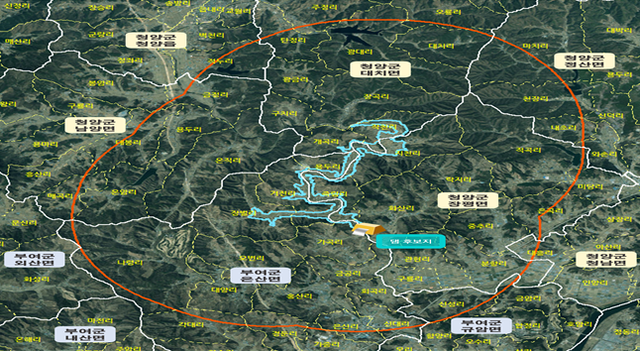
CHEONGYANG/BUYEO, CHUNGNAM PROVINCE – A recent survey commissioned by the Jicheon Dam Regional Consultative Body reveals overwhelming support for the proposed Jicheon Climate-Resilient Dam, with 76.6% of local residents in the candidate area expressing their approval for its construction. This strong endorsement comes amidst ongoing discussions about climate change adaptation and water security in South Korea.
The survey, conducted by Realmeter from May 30 to June 5, targeted 4,506 households residing within a 5km radius of the proposed Jicheon Dam site in Cheongyang and Buyeo Counties, Chungcheongnam Province. Of these, 1,524 households responded, with a significant majority—1,167 households—indicating their support for the project.
Regional Breakdown of Support
Analysis of the survey data shows consistent high approval across both affected counties:
Cheongyang County: Out of 2,806 households surveyed, 866 responded. 77.4% (670 households) voted in favor, while 22.6% (196 households) expressed opposition.
Buyeo County: From 1,700 surveyed households, 658 responded. Here, 75.5% (497 households) supported the dam, with 24.5% (161 households) opposing it.
Reasons for Support and Opposition
Proponents of the Jicheon Dam cited several key reasons for their endorsement, primarily focusing on long-term benefits and climate resilience. Many expressed the sentiment that the Jicheon Dam is crucial for "the nation's future for the next hundred years and should be expedited." Other common reasons included the potential for "development in Buyeo" and the imperative to "solve water scarcity issues caused by climate change." This reflects a growing understanding among residents of the critical need for robust water management infrastructure in the face of increasingly unpredictable weather patterns.
Conversely, those who opposed the dam raised concerns about localized impacts and personal inconveniences. Primary objections included potential "damage to agriculture and livestock due to increased fog," the displacement of residents with "no alternative housing or resettlement options," and a general "emotional aversion to dams." These concerns highlight the need for comprehensive compensation and resettlement plans, as well as clear communication from authorities regarding the project's environmental impact.
Addressing Misinformation and Building Consensus
The Jicheon Dam Regional Consultative Body stated that it would leverage these survey results to advocate for the dam's construction and to address public concerns. The body plans to propose that the provincial government organize resident meetings and public awareness campaigns to correct any misinformation and to provide accurate details about the project.
Furthermore, the consultative body intends to expand dam tours for residents who oppose or are indifferent to the project, allowing them to witness the benefits and operational aspects of existing dams firsthand. This proactive approach aims to build greater understanding and trust within the affected communities.
The consultative body also announced plans for further discussions on the Jicheon Dam's direction, followed by a broader public opinion survey targeting all residents of Cheongyang and other relevant areas. This tiered approach demonstrates a commitment to transparent decision-making and community engagement throughout the project's lifecycle.
Broader Context: South Korea's Dam Strategy Amidst Climate Change
The push for the Jicheon Dam aligns with South Korea's broader national strategy to enhance water security and flood control in response to the escalating climate crisis. The Ministry of Environment has identified 14 candidate sites for "climate response dams" nationwide, including the Jicheon Dam. This initiative marks a significant shift in national policy, with the government emphasizing the urgent need for new water infrastructure after a decade-long hiatus in major dam construction projects.
Experts and policymakers point to recurring droughts and intensifying heavy rainfall events as compelling reasons for these new projects. The government aims to increase water storage capacity to mitigate the impact of extreme weather and ensure a stable water supply for both industrial and domestic use. For instance, the proposed dams are expected to enhance flood control for precipitation levels ranging from 80 to 220 millimeters and provide an annual water supply of 250 million tons, sufficient for 2.2 million people.
However, dam construction in South Korea has historically been a contentious issue. Past projects, such as the Chungju Dam and Soyang River Dam, led to significant displacement of residents and environmental concerns. These historical precedents fuel ongoing skepticism and opposition from some environmental groups and affected communities. Organizations like the Korean Federation for Environmental Movement argue that new dams may not be the most effective solution to the climate crisis, questioning their flood prevention capacity and potential ecological damage. They advocate for alternative strategies such as improved levee management and sustainable river area use.
Despite these differing viewpoints, the government remains firm on the necessity of these projects, citing the long construction timelines (approximately 10 years for a new dam) as a reason to avoid further delays. They also emphasize increased budget allocation for supporting dam-affected areas, including improvements to roads, water supply and sewage systems, waterfront parks, and campgrounds, to foster more resident-friendly dam projects.
The Jicheon Dam project, with its substantial local support, serves as an important case study in navigating the complex interplay between national development goals, environmental concerns, and community interests in South Korea's evolving climate adaptation landscape. The ongoing dialogue and planned extensive consultations will be crucial in shaping the future of water resource management in the nation.
[Copyright (c) Global Economic Times. All Rights Reserved.]