![[등록] 2026-09-01 15:48:31](/support/_updata/banner2/tl181982910_6749.png)


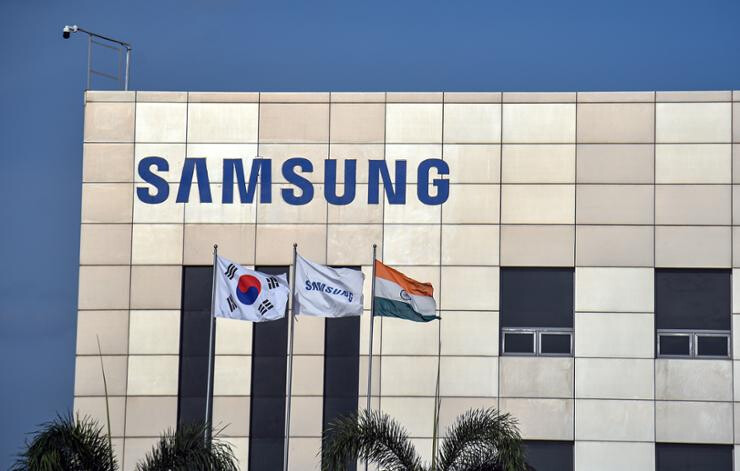
Samsung Electronics is further solidifying its commitment to the Indian market by injecting ₹10 billion (approximately ₹170 billion KRW) into its home appliance manufacturing facility located in Sriperumbudur, Tamil Nadu, in southern India. This plant serves as a crucial hub for Samsung's operations in India, significantly contributing to its revenue through the production of key consumer electronics such as televisions, refrigerators, and washing machines.
On April 25th (local time), TRB Rajaa, the Minister for Industries of Tamil Nadu, made an official announcement, as reported by Indian media outlets. Minister Rajaa stated that this expansion is anticipated to generate around 100 new employment opportunities, underscoring Samsung's sustained confidence in the state of Tamil Nadu.
The Sriperumbudur plant is central to Samsung's consumer electronics output in India. In the fiscal year 2022-2023, the factory accounted for approximately 20% of Samsung's total revenue in India, which amounted to around ₹1.07 trillion (approximately ₹17.2548 trillion KRW). This substantial contribution highlights the strategic importance of the facility in Samsung's overall business strategy for the burgeoning Indian market.
Local Indian media have emphasized the significance of this investment announcement, particularly given the recent labor unrest at the Sriperumbudur plant. Workers had previously staged protests demanding recognition of their labor union, wage hikes, and improvements in working conditions.
Minister Rajaa addressed these concerns directly, asserting that "this investment is a testament to the trust in Tamil Nadu's workforce," and assured that the state government would continue to provide support for the smooth operation of businesses in the region.
The Sriperumbudur factory has indeed been under scrutiny due to a series of labor disputes. In February of this year, a sit-in protest was organized by employees following the suspension of some staff members, marking the second significant labor issue within a six-month period. Prior to this, in September of the previous year, hundreds of workers engaged in a five-week-long strike demanding wage increases and union recognition, which eventually led to the company conceding to some of their demands.
Despite these challenges, Samsung's decision to invest further in the Sriperumbudur plant signals its long-term commitment to the Indian market, which is projected to become the fifth-largest economy globally. The demand for consumer electronics in India is rapidly expanding, driven by a growing middle class and increasing disposable incomes. Samsung, being a major player in this sector, aims to capitalize on this growth.
This additional investment is expected to enhance the production capacity of the plant, potentially introducing new product lines and incorporating advanced manufacturing technologies. This move aligns with Samsung's broader strategy of strengthening its manufacturing base in key global markets to cater to local demand and optimize its supply chain.
Furthermore, Samsung's continued investment in Tamil Nadu is likely to have a positive impact on the local economy, beyond job creation. It can spur the growth of ancillary industries and contribute to the overall industrial development of the region. The state government's proactive stance in supporting business operations and fostering a conducive investment climate is also a crucial factor in attracting and retaining major investors like Samsung.
While the recent labor issues present a challenge, Samsung's commitment to expansion suggests a belief in resolving these issues and maintaining a stable and productive manufacturing environment. The dialogue between the company, the workers, and the government will be critical in ensuring a harmonious industrial relations climate that benefits all stakeholders and supports Samsung's long-term growth objectives in India. This latest investment underscores Samsung's strategic focus on India as a vital market and its determination to strengthen its manufacturing capabilities within the country.
[Copyright (c) Global Economic Times. All Rights Reserved.]