![[등록] 2026-09-01 15:48:31](/support/_updata/banner2/tl181982910_6749.png)


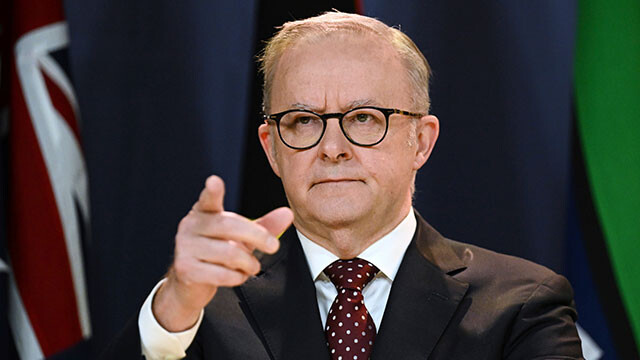
CANBERRA, Australia – Australia has strongly condemned President Donald Trump's recent announcement to potentially double tariffs on imported steel and aluminum to 50%, with the Australian government labeling it "not the act of a friend." This comes as nations globally brace for the potential return of Trump's protectionist trade policies should he win the upcoming U.S. presidential election.
Australia's Minister for Trade and Tourism, Don Farrell, issued a scathing statement, describing Trump's proposed measure as an "act of economic self-harm that only harms consumers and businesses that rely on free and fair trade." Minister Farrell urged the Trump administration to reverse course, abolish the tariffs, and revert to tariff-free trade as stipulated under the existing Australia-U.S. Free Trade Agreement (AUSFTA).
Despite the strong rhetoric, Farrell emphasized that Australia would maintain a "calm and measured" approach in asserting its position, ruling out retaliatory tariffs. This strategic restraint underscores Australia's commitment to diplomatic resolution and its desire to preserve a critical alliance, even in the face of contentious trade proposals. Farrell has already initiated discussions, requesting through Australia's Ambassador to the U.S., Kevin Rudd, a meeting with U.S. Trade Representative Jamison Greer in Paris to negotiate the matter.
The Looming Threat of Trump's Trade Policies
Donald Trump's potential return to the White House has sent ripples of concern through global trade circles. During his previous term, Trump imposed Section 232 tariffs on steel and aluminum imports, citing national security concerns. While Australia, along with Canada, initially received exemptions due to their close security ties with the U.S., these exemptions were later subject to renegotiation and, at times, uncertainty. The re-imposition and significant escalation of these tariffs, as now proposed, signal a broader intent to use trade policy as a punitive tool against perceived economic threats, regardless of existing free trade agreements or long-standing alliances.
Economists and trade analysts widely criticize such unilateral tariff hikes, arguing they disrupt global supply chains, increase costs for domestic manufacturers that rely on imported inputs, and ultimately harm consumers through higher prices. They also risk sparking retaliatory measures from affected countries, leading to trade wars that dampen global economic growth. For Australia, a significant increase in steel and aluminum tariffs could impact its mining sector and related industries, potentially leading to job losses and reduced export revenues.
Australia's Economic Vulnerability and Strategic Response
Australia, a country heavily reliant on international trade, particularly commodity exports, views protectionist measures with apprehension. Its economy thrives on open markets and adherence to multilateral trade rules. The prospect of 50% tariffs on steel and aluminum not only poses a direct threat to its metal industries but also sets a worrying precedent for other sectors.
Minister Farrell's rejection of retaliatory measures is a calculated diplomatic strategy. Australia understands that engaging in a tit-for-tat tariff war with a major ally like the U.S. would likely inflict more harm than good, jeopardizing broader economic and strategic cooperation. Instead, Australia aims to leverage its strong bilateral relationship and the AUSFTA to advocate for its interests. The AUSFTA, which entered into force in 2005, has been a cornerstone of the economic partnership between the two nations, facilitating significant two-way trade and investment. Australia will likely emphasize the importance of upholding the principles of this agreement and the mutual benefits it provides.
Domestic Political Context
Domestically, the Australian Labor Party's recent victory in the general election on May 3 was, in part, attributed to a prevailing anti-Trump sentiment among voters. The Labor government, led by Prime Minister Anthony Albanese, overturned a polling deficit in just two months to secure a decisive win. This electoral outcome suggests that the Australian public generally favors a more multilateral and open approach to international relations and trade, distancing itself from the 'America First' protectionism championed by Trump. The government's firm stance against the proposed tariffs, while avoiding escalation, aligns with its mandate to uphold free trade principles and protect Australian economic interests.
Broader Implications for Global Trade
The proposed tariffs by Trump are part of a larger trade agenda that includes a potential universal baseline tariff on all imports, possibly around 10%. Such a move would represent a radical departure from decades of U.S. trade policy and would likely trigger widespread economic instability and diplomatic friction. It could force other nations, including allies, to reassess their trade relationships with the U.S., potentially leading to the formation of new trade blocs or intensified efforts to diversify supply chains away from the U.S.
For Australia, navigating these potential global trade turbulences will require shrewd diplomacy and a continued commitment to strengthening its economic ties with other partners in Asia and beyond. While the immediate focus remains on averting the steel and aluminum tariffs, the broader challenge for Australia and its allies will be to reinforce the international rules-based trading system against increasing protectionist pressures.
[Copyright (c) Global Economic Times. All Rights Reserved.]