![[등록] 2026-09-01 15:48:31](/support/_updata/banner2/tl181982910_6749.png)


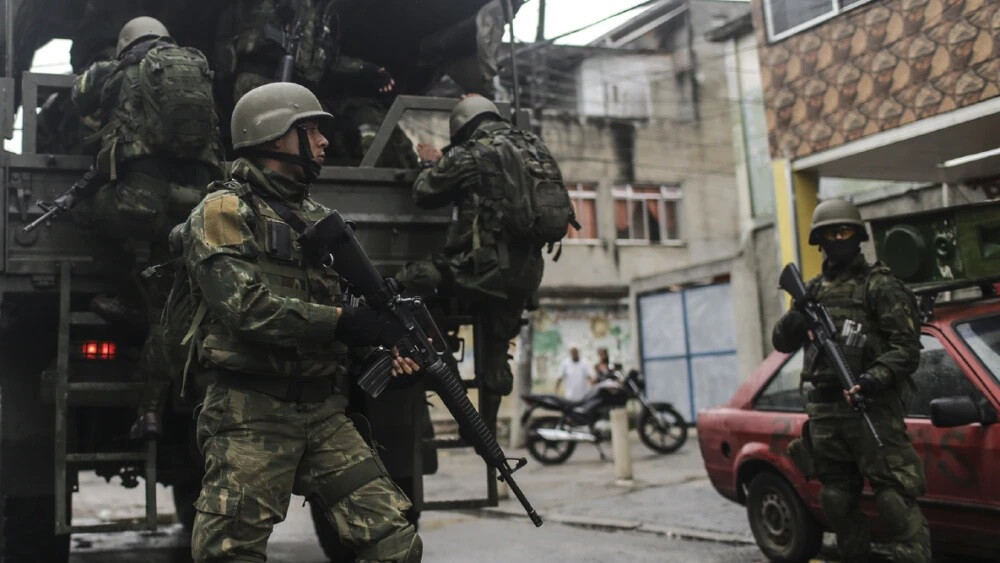
Brasília – Brazil is currently engaged in negotiations with ten South American nations and their respective militaries to counter terrorism and transnational drug trafficking mafias. This initiative is interpreted as a move to bolster regional security cooperation and effectively curb the proliferation of organized crime.
According to the Brazilian daily, Gazeta do Povo, the Brazilian Army is negotiating with its ten neighboring countries to expand the integration among South American militaries. The primary objectives of these negotiations are to combat organized crime and terrorist groups such as the Primeiro Comando da Capital (PCC) and Comando Vermelho (CV), and to collectively address issues related to migrant movements.
Expanding Regional Cooperation Network: Aiming for 'RECESA'
The report indicates that despite the current Brazilian government's anti-U.S. stance, the Brazilian military is striving to maintain its training alliance with the U.S. Army, which began in 2021. General Richard Fernandes Nunes, Chief of Staff of the Brazilian Army, stated that while Brazil already has bilateral security cooperation agreements with neighboring countries, the goal is to expand this integration and establish the South American Army Cooperation Network (Red de Cooperación de Ejércitos Suramericanos, RECESA).
The countries currently involved in the discussions include Argentina, Bolivia, Chile, Colombia, Ecuador, Guyana, Paraguay, Peru, Suriname, and Uruguay. During the 2nd South American Army Integration Seminar held in Brasília this week, General Nunes emphasized, "What we seek is a collective consultation space with a series of opportunities to discuss common topics for all nations."
A key objective of this seminar is to establish the RECESA network and discuss all possible aspects of cooperation between the armies. This is expected to make coordinating actions and enforcement measures with these countries a major task, enabling a more effective fight against illegal trade fostered by international drug trafficking and organized crime groups. A Memorandum of Understanding (MOU) was proposed at the seminar and is anticipated to be signed by the commanders of each country soon.
Expanding Integrated Operations Starting with Cyber Defense Training
One of the concrete initial steps will be to conduct military exercises for cyber attack defense involving the armed forces of the ten nations. This training is advantageous as it promotes international integration at a lower cost, as it does not require large-scale troop movements. However, there are future plans to conduct larger-scale operations that will involve more resources and personnel on the ground.
Continued U.S. Interest and Enhanced Cooperation
Addressing drug trafficking, terrorism, and migration issues in South America is also a significant part of the United States' security agenda. The U.S. government believes that South American countries should train their military forces with the primary goal of combating these crimes.
Recently, Washington offered a $10 million reward for information that helps disrupt the financial mechanisms of the terrorist organization Hezbollah in the region. This is particularly aimed at Hezbollah's activities in the Triple Frontera (Triple Border Area) where the borders of Argentina, Brazil, and Paraguay meet.
Furthermore, this week, Admiral Alvin Holsey, Commander of the U.S. Southern Command (SOUTHCOM), visited Brazil and held talks with Brazilian military authorities. According to the U.S. Embassy in Brazil, Admiral Holsey's visit aimed to strengthen military cooperation with Brazil and discuss issues such as the fight against cross-border crime in the tri-border region of Brazil, Peru, and Bolivia. The U.S. Embassy highlighted Brazil's role in this struggle.
Brazil's proposal demonstrates the commitment of South American nations to collectively respond to transnational threats and is expected to open a new chapter in regional security cooperation.
[Copyright (c) Global Economic Times. All Rights Reserved.]