![[등록] 2026-09-01 15:48:31](/support/_updata/banner2/tl181982910_6749.png)


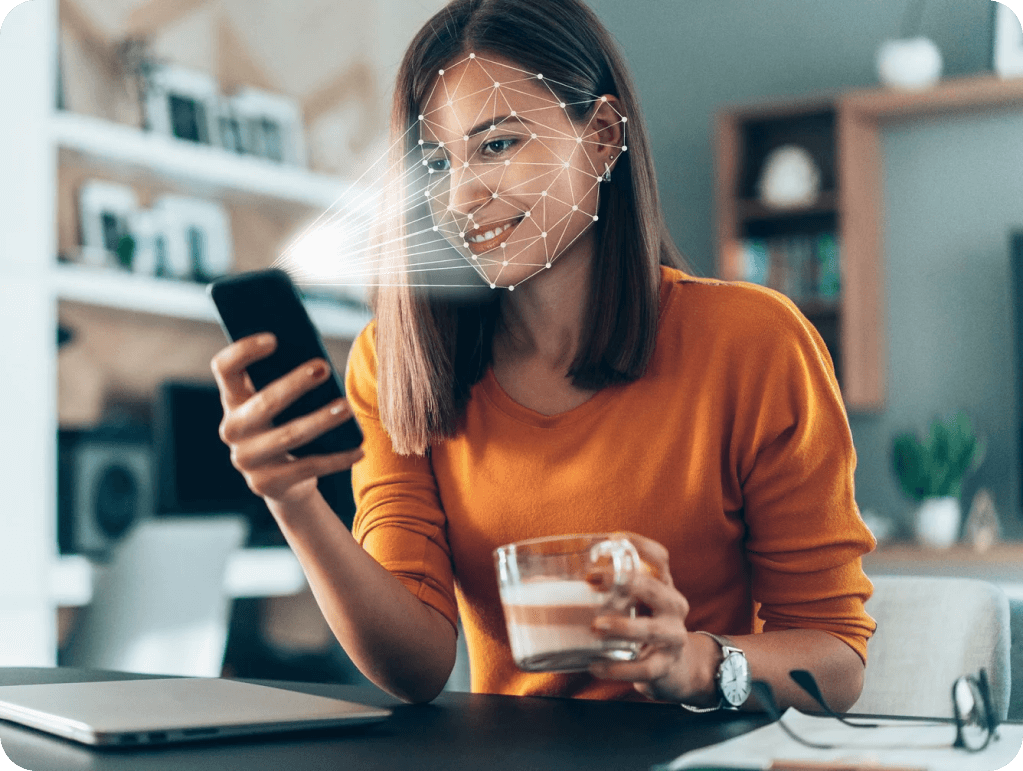
SEOUL — The Ministry of Science and ICT (MSIT) is reportedly considering a postponement of the mandatory facial recognition system for mobile phone subscriptions, which was slated for official launch on March 23, 2026. The move comes as the government grapples with technical inconsistencies and mounting pressure from human rights and privacy watchdogs regarding the collection of sensitive biometric data.
According to industry sources on March 13, the MSIT recently completed an internal review proposing an extension of the pilot operation period. A meeting with relevant stakeholders and telecommunications operators is scheduled for March 18 to gather field feedback and discuss policy refinements.
The Push for Security vs. Technical Reality
The mandatory facial recognition policy was originally designed as a "silver bullet" to eradicate identity theft and the proliferation of illegal "burner phones." The system requires users to verify their identity by matching their live facial features with the data embedded in their physical IDs.
However, field tests conducted over a three-month period last year revealed significant limitations. While the recognition accuracy was improved to approximately 80%, the system frequently failed in real-world conditions. Issues such as varying lighting (lux) levels and background interference led to frequent "false rejects," causing frustration for both retailers and consumers.
Regulatory and Legal Roadblocks
Beyond technical glitches, the policy has hit a legal wall. Both the Personal Information Protection Commission (PIPC) and the National Human Rights Commission of Korea (NHRCK) have raised alarms. The NHRCK recently recommended a full reassessment of the policy, citing a lack of explicit legal grounds.
"Unlike the Immigration Control Act or the Electronic Financial Transactions Act, the current Telecommunications Business Act does not provide a clear mandate for the collection and processing of biometric information," the NHRCK noted. This legal vacuum makes the mandatory collection of facial data a potential violation of privacy rights.
Seeking Alternatives: Video Calls and Mobile IDs
In response to these setbacks, the MSIT is searching for "Plan B" verification methods to support the system when facial recognition fails. Two primary alternatives are currently under review:
-Video Call Verification: Allowing a human agent to verify the subscriber's identity via a real-time video call.
-Mobile ID Integration: Utilizing the government-issued Mobile ID from the Ministry of the Interior and Safety (MOIS), which already undergoes rigorous identity verification, including fingerprinting, at local community centers.
While the Mobile ID is considered a highly secure alternative, it requires cross-ministerial cooperation between the MSIT and the MOIS. Meanwhile, video calls face skepticism regarding their effectiveness and the increased operational burden on telecommunications staff.
The Road Ahead: Homomorphic Encryption
To alleviate public anxiety over biometric data leaks, the government is also exploring advanced security technologies. One proposed solution is Homomorphic Encryption, a method that allows data to be processed and compared without ever being decrypted. Current systems are designed to delete biometric data immediately after a "match/no-match" result is generated, but officials believe stronger technological safeguards are necessary to win public trust.
"We are actively communicating with relevant agencies and field experts to gather diverse opinions," an MSIT official stated. "While we are reviewing various options regarding the official implementation, nothing has been finalized yet."
As the March 23 deadline approaches, the tech industry is watching closely to see if the government will prioritize rapid digitalization or bow to the growing demand for privacy protection and legal clarity.
[Copyright (c) Global Economic Times. All Rights Reserved.]