• 2026.03.22 (Sun)
  • All articles
  • LOGIN
  • JOIN
Global Economic Times
fashionrunwayshow2026
  • Synthesis
  • World
  • Business
  • Industry
  • ICT
  • Distribution Economy
  • Well+Being
  • Travel
  • Eco-News
  • Education
  • Korean Wave News
  • Opinion
  • Arts&Culture
  • Sports
  • People & Life
    • International Student Report
    • With Ambassador
  • Column
    • Cho Kijo Column
    • Cherry Garden Story
    • Ko Yong-chul Column
    • Kim Seul-Ong Column
    • Lee Yeon-sil Column
  • Photo News
  • New Book Guide
MENU
 
Home > World

FCC Approves 7,500 Additional Second-Generation Starlink Satellites for SpaceX

Eugenio Rodolfo Sanabria Reporter / Updated : 2026-01-11 08:28:58
  • -
  • +
  • Print


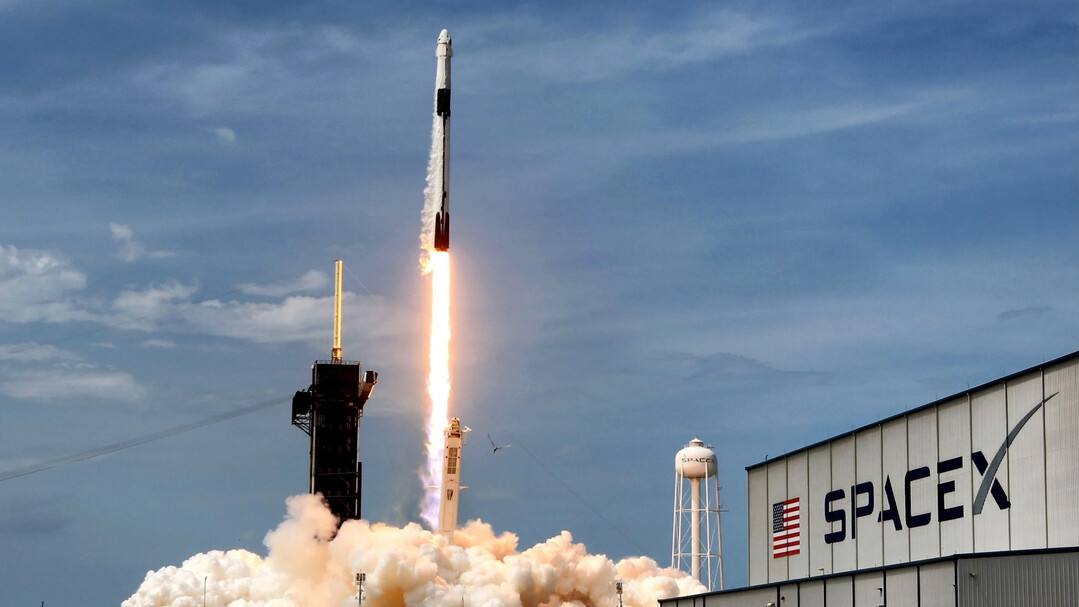
(C) PC Mag


In a significant move for global connectivity, the U.S. Federal Communications Commission (FCC) has officially granted SpaceX permission to deploy an additional 7,500 second-generation (Gen2) Starlink satellites.

This approval, announced on January 9 (local time), doubles SpaceX’s authorized Gen2 fleet from 7,500 to a total of 15,000 satellites in low Earth orbit.

 
Key Highlights of the FCC Approval
The FCC’s decision goes beyond mere numbers, providing SpaceX with the regulatory flexibility needed to advance its satellite broadband technology:

Expanded Capacity: The commission waived previous requirements that limited service capacity and authorized the operation of five frequency bands.
Direct-to-Cell Integration: Outside the U.S., these satellites will facilitate "Direct-to-Cell" services, allowing standard mobile phones to connect directly to the satellite network.
Next-Gen Speeds: For U.S. users, the upgraded fleet is expected to enable next-generation mobile services with internet speeds reaching up to 1Gbps.
Strategic Growth: While SpaceX originally requested a total of 29,988 Gen2 satellites, the FCC has opted for a phased approach, approving this batch of 7,500 while deferring a decision on the remaining 14,988 units.
 
A "Game Changer" for Global Connectivity
FCC Commissioner Brendan Carr praised the authorization as a pivotal moment for the industry. "This authorization is a game changer that enables next-generation services," Carr stated. He emphasized that the 15,000-satellite constellation would provide "unprecedented satellite broadband capabilities," fostering competition and ensuring that no region is left behind in the digital age.

Current Fleet Status
SpaceX continues to dominate the commercial satellite landscape. Including the 1st generation, 1.5 generation, and the "V2 Mini" (Gen2) models, the company is currently estimated to have over 9,000 satellites in active operation.

This latest approval solidifies Elon Musk’s vision of a high-speed, low-latency global internet network, positioning SpaceX to lead the "Direct-to-Cell" market and the next era of mobile telecommunications.

[Copyright (c) Global Economic Times. All Rights Reserved.]

  • #Globaleconomictimes
  • #Korea
  • #Seoul
  • #Samsung
  • #LG
  • #Bitcoin
  • #Meta
  • #Business
  • #Economic
  • #The Woori Bank
  • #Elon Musk
  • #C
Eugenio Rodolfo Sanabria Reporter

Popular articles

  • Florida Legislature Passes Bill to Rename Palm Beach Airport After Donald J. Trump

  • BMW CEO Warns: Ignoring China Threatens the Future of German Automakers

  • China’s Strategic Gold Rush: Beijing Amasses Reserves for 16th Straight Month Amid Dollar Uncertainty

I like it
Share
  • Facebook
  • X
  • Kakaotalk
  • LINE
  • BAND
  • NAVER
  • https://www.globaleconomictimes.kr/article/1065569233255259 Copy URL copied.
Comments >

Comments 0

Weekly Hot Issue

  • Appellate Court Begins Review of Kakao Founder’s Acquittal in SM Entertainment Stock Rigging Case
  • AI Supercycle Propels Global Semiconductor Market Toward $1 Trillion Milestone
  • Naver Suspends Election Comments to Combat Cyberbullying and Misinformation Ahead of June Polls
  • Lotte Town Myeongdong Lights Up with 'Welcome Light' to Greet Global K-Pop Fans
  • K-Beauty SMEs Join Forces with Distributors: A New Paradigm for Global Expansion through Strategic Consortiums
  • BMW ‘The New i3’ Next-Gen EV: 900km Range 

Most Viewed

1
An Open Letter to BTS On the Eve of a Historic Performance
2
From Industrial Capital to Tourism Mecca... Ulsan Makes a Bold Move with ‘Experiential Content’ in 2026
3
Ko Sang-goo, President of World Federation of Korean Associations, Elected as First Private Sector Chair of World Korean Community Leaders Convention
4
It is Time for BTS’s Fandom, ARMY, to Step Forward
5
Korean Stock Market Plunges: Circuit Breaker and Sidecar Triggered Amid Geopolitical Crisis
광고문의
임시1
임시3
임시2

Hot Issue

Netflix Declares BTS Comeback Live “ARIRANG” as the Year’s Biggest Global Event

AI Medical Ecosystem in Focus: KIMES 2026 Opens in Seoul as Global Healthcare Hub

Netanyahu Declares Decisive Blow to Iran’s Nuclear and Missile Programs, Signals Early End to War

Intel Announces 10% Price Hike on CPUs: PC Manufacturers Bracing for Massive Production Cost Spikes

Let’s recycle the old blankets in Jeju Island’s closet instead of incinerating them.

Global Economic Times
korocamia@naver.com
CEO : LEE YEON-SIL
Publisher : KO YONG-CHUL
Registration number : Seoul, A55681
Registration Date : 2024-10-24
Youth Protection Manager: KO YONG-CHUL
Singapore Headquarters
5A Woodlands Road #11-34 The Tennery. S'677728
Korean Branch
Phone : +82(0)10 4724 5264
#304, 6 Nonhyeon-ro 111-gil, Gangnam-gu, Seoul
Copyright © Global Economic Times All Rights Reserved
  • 에이펙2025
  • APEC2025가이드북TV
  • 독도는우리땅
Search
Category
  • All articles
  • Synthesis
  • World
  • Business
  • Industry
  • ICT
  • Distribution Economy
  • Well+Being
  • Travel
  • Eco-News
  • Education
  • Korean Wave News
  • Opinion
  • Arts&Culture
  • Sports
  • People & Life 
    • 전체
    • International Student Report
    • With Ambassador
  • Column 
    • 전체
    • Cho Kijo Column
    • Cherry Garden Story
    • Ko Yong-chul Column
    • Kim Seul-Ong Column
    • Lee Yeon-sil Column
  • Photo News
  • New Book Guide
  • Multicultural News
  • Jobs & Workers