![[등록] 2026-09-01 15:48:31](/support/_updata/banner2/tl181982910_6749.png)


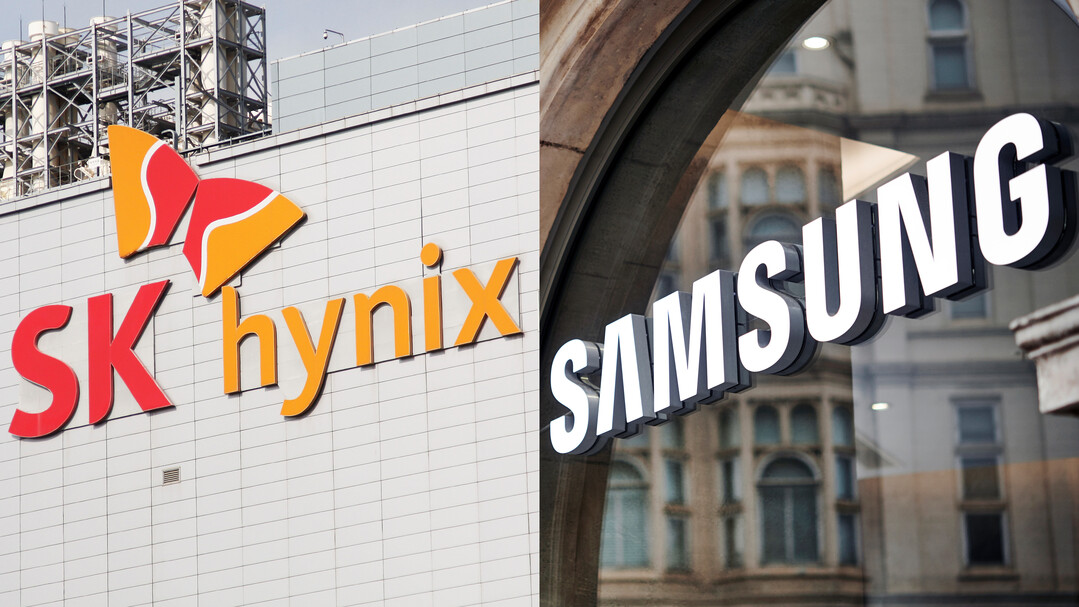
(C) Nikkei Asia
SEOUL — South Korea’s semiconductor giants, Samsung Electronics and SK Hynix, have reported a staggering surge in their corporate tax payments for the current year, a powerful indicator of the monumental success fueled by the global semiconductor supercycle. The combined corporate taxes paid by the two companies for the first three quarters of the year reached an unprecedented level, soaring nearly nine times higher than the amount paid during the same period last year. This dramatic increase is directly attributed to the explosive growth in their operating profits, largely propelled by the booming Artificial Intelligence (AI) industry and sustained demand for high-performance memory chips.
Unprecedented Tax Burden Reflects Profit Growth
According to the quarterly reports filed by each company, the total corporate tax paid by Samsung Electronics and SK Hynix for the period of January to September this year amounted to 6.231 trillion Korean Won (approximately $4.5 billion USD), a monumental leap from the 701 billion Won ($505 million USD) paid in the same period a year earlier.
The increase was particularly pronounced for SK Hynix. Their corporate tax payment surged a whopping 46-fold, jumping from 94 billion Won ($68 million USD) last year to 4.344 trillion Won ($3.13 billion USD) this year, an increase of over 4.25 trillion Won.
Samsung Electronics also saw a significant spike, with its corporate tax rising approximately threefold, from 607 billion Won ($438 million USD) to 1.886 trillion Won ($1.36 billion USD).
The corporate tax is a direct function of a company's taxable income, which is closely linked to its operating profit. The exponential growth in tax payments unequivocally signals a period of extraordinary profitability for both firms.
The AI-Driven Supercycle and Operating Profit Boom
The primary catalyst behind this financial windfall is the long-anticipated "semiconductor supercycle," a sustained period of high demand and tight supply that began in late 2023 and has intensified throughout 2025. This cycle is fundamentally different from previous ones, as it is driven less by traditional PC and mobile market cycles and more by the infrastructural demands of the AI revolution.
High-Bandwidth Memory (HBM) Demand: The critical driver is the explosion in demand for High-Bandwidth Memory (HBM), a specialized DRAM chip essential for high-performance computing, such as powering large language models (LLMs) and training sophisticated AI algorithms. SK Hynix, in particular, has been the market leader in the HBM segment, with analysts estimating they hold a dominant market share for the latest generation, HBM3E. This lead is the main reason for their disproportionately high increase in profit and, consequently, corporate tax.
Data Center and Server Upgrades: Global tech giants, including Microsoft, Amazon, Google, and Meta, are engaged in a massive capital expenditure race to upgrade their data centers with AI-optimized servers. These servers require a significantly higher density of both DRAM and NAND memory chips, driving average selling prices (ASPs) higher across the board.
Financial Results Reflecting the Boom: The latest quarterly figures underscore this trend. In the third quarter of this year, Samsung Electronics and SK Hynix reported robust operating profits. Samsung’s operating profit grew by 32.5% year-over-year to 12.1661 trillion Won ($8.77 billion USD), while SK Hynix saw an even more dramatic rise of 61.9% to 11.3834 trillion Won ($8.21 billion USD). The high operating profits directly translate into a significantly larger tax base.
Global Context and Economic Implications
The immense corporate tax revenue generated by Samsung and SK Hynix holds significant implications for the South Korean economy. As two of the nation's largest conglomerates, their financial health is intrinsically linked to the country's economic performance.
Bolstering National Finances: The unexpected tax windfall provides a substantial boost to the South Korean government's coffers, potentially offsetting shortfalls in other sectors and allowing for increased public spending or debt reduction.
Indicator of Sectoral Strength: The soaring tax payments affirm the semiconductor industry's role as the single most important engine of South Korean export and economic growth. The resilience of this sector, even amid global economic uncertainties, highlights the nation's strategic advantage in advanced chip manufacturing.
Investment and Future Outlook: Both companies are reinvesting a significant portion of their profits into securing future growth, particularly in advanced fabrication technologies and expanding their HBM capacity. This proactive investment suggests that the current supercycle, unlike previous ones, may have a longer tail, driven by the persistent, foundational need for AI infrastructure. Samsung is pushing forward with its advanced foundry services and multi-billion-dollar investments in the US, while SK Hynix is aggressively pursuing its HBM roadmap, aiming to consolidate its leadership in the premium memory market.
In conclusion, the nearly ninefold increase in corporate tax payments by Samsung Electronics and SK Hynix is more than just a fiscal statistic; it is a tangible measure of the AI-powered semiconductor supercycle and a powerful testament to the profitability and global competitive edge of South Korea's technology titans. As the AI arms race continues, the financial fortunes of these chipmakers—and their contributions to the national budget—are expected to remain strong well into the next fiscal year.
[Copyright (c) Global Economic Times. All Rights Reserved.]