![[등록] 2026-09-01 15:48:31](/support/_updata/banner2/tl181982910_6749.png)


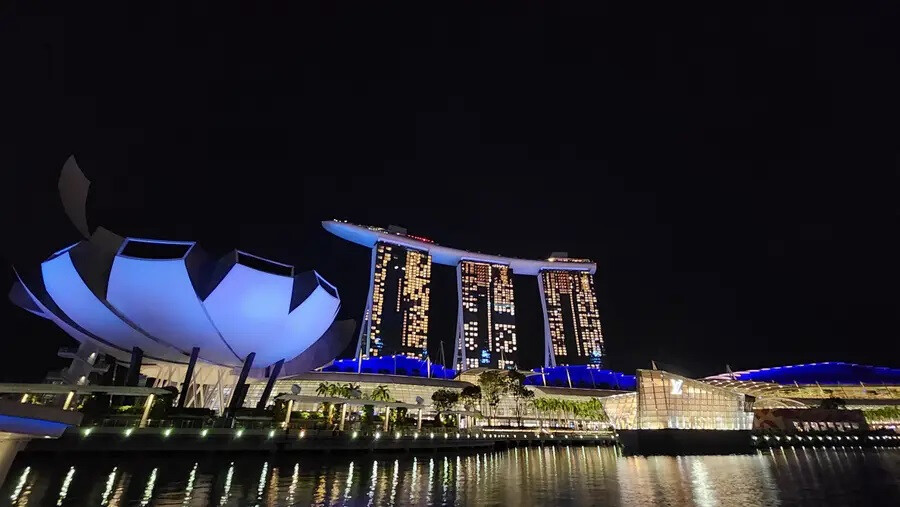
Amidst the triple challenges of rising protectionism, inflation, and economic slowdown plaguing the global tourism market, Singapore is setting sail towards a resilient future by strategically bolstering its Meetings, Incentives, Conferences, and Exhibitions (MICE) industry. Following a record-breaking S$29.8 billion (approximately KRW 32.4 trillion) in tourism revenue last year, the nation has unveiled its ‘Tourism 2040’ roadmap, aiming to elevate the MICE sector’s contribution from the current 4% to 10% of total tourism earnings by 2040. This ambitious move underscores Singapore’s commitment to transforming its tourism sector into a sustainable, high-value engine of growth, even in the face of global economic uncertainties.
The Singapore Tourism Board (STB) articulated this vision at its annual Tourism Industry Conference (TIC) on April 11th, emphasizing that the goal transcends merely increasing the number of hosted events. Instead, the focus is on achieving qualitative growth through structural enhancements.
A cornerstone of this strategy is ‘infrastructure enhancement.’ Marina Bay Sands, a flagship integrated resort, is spearheading this effort with a substantial S$1.7 billion (KRW 2.41 trillion) investment to construct a 15,000-seat arena, a new hotel tower, and premium casino areas. Construction is slated to commence this year with a target completion date of 2029. Furthermore, a wave of high-end hotel and resort developments, including Raffles Sentosa, Mama Shelter Singapore, and the Mandai Rainforest Resort, are poised to open their doors, further enriching Singapore’s accommodation landscape.
Airport infrastructure is also undergoing a significant expansion. Changi Airport’s Terminal 5 is on track for completion by 2030, which will augment its current annual capacity of 90 million passengers to a staggering 140 million. This expansion is not solely aimed at accommodating a greater influx of tourists but is a long-term strategic move to seamlessly handle the anticipated surge in MICE event attendees.
Singapore’s standing as a premier international meeting destination is already well-established. The International Congress and Convention Association (ICCA) ranked Singapore as the world’s second-leading city for international meetings in 2023, trailing only Paris and securing the top position in Asia. The presence of over 7,000 global corporations, including tech giants like Google, Apple, and Microsoft, who have chosen Singapore as their Asia-Pacific hub, significantly bolsters its appeal as a MICE destination.
The upcoming calendar of international events further solidifies Singapore’s position. The World Robot Olympiad (WRO) International Final, Semicon Southeast Asia, and Herbalife Extravaganza are among the large-scale events expected to draw tens of thousands of participants. Notably, the Herbalife incentive travel group, anticipated to visit next year with 25,000 attendees, is poised to be the largest such group in Singapore’s history. This underscores Singapore’s evolution from a mere meetings hub to a dynamic global ‘events hub.’
However, the persistent issue of high living costs remains a potential headwind for Singapore’s MICE ambitions. Global analysis firm ECA International has consistently ranked Singapore as the second most expensive city in Asia, after Hong Kong. In response, some MICE organizers are adopting cost-effective strategies such as sourcing event equipment from neighboring Malaysia while hosting the main events in Singapore. Nevertheless, the prevailing sentiment within the industry is that Singapore’s “reliability, global accessibility, and strong brand image” continue to justify the investment.
In conclusion, Singapore is proactively addressing the challenges of a volatile global economic climate by strategically investing in and expanding its MICE industry. Through significant infrastructure development, leveraging its strong international standing, and attracting a diverse range of high-profile events, Singapore is charting a course towards sustainable and high-value tourism growth, firmly establishing itself as a leading global MICE destination for the years to come.
[Copyright (c) Global Economic Times. All Rights Reserved.]