• 2025.12.16 (Tue)
  • All articles
  • LOGIN
  • JOIN
Global Economic Times
APEC2025KOREA가이드북
  • Synthesis
  • World
  • Business
  • Industry
  • ICT
  • Distribution Economy
  • Well+Being
  • Travel
  • Eco-News
  • Education
  • Korean Wave News
  • Opinion
  • Arts&Culture
  • Sports
  • People & Life
  • Column
    • Cho Kijo Column
    • Lee Yeon-sil Column
    • Ko Yong-chul Column
    • Cherry Garden Story
  • Photo News
  • New Book Guide
MENU
 
Home > Business

Seoul to Experiment with New Wage Models for Taxi Drivers Amidst Industry Struggles

Hwang Sujin Reporter / Updated : 2025-01-26 09:42:33
  • -
  • +
  • Print

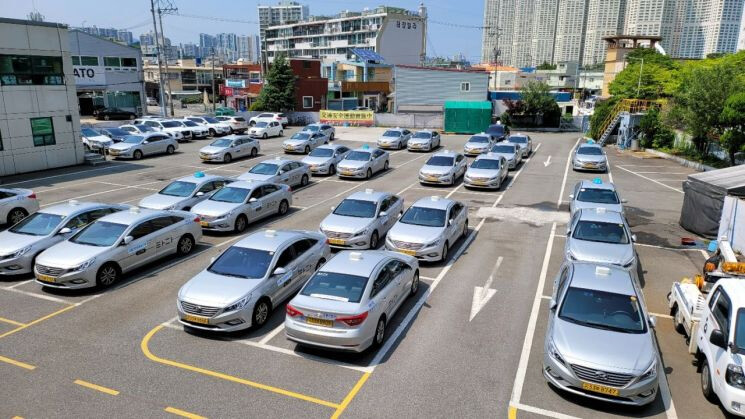
Seoul, South Korea – Seoul Metropolitan Government is accelerating efforts to implement a new wage system for corporate taxi drivers, four years after introducing a 40-hour workweek with a fixed salary. The move aims to address low wages and the persistence of a modified version of the abolished quota system, which had been a major point of contention for drivers.

However, the success of this initiative hinges on the cooperation of the central government and the ability to navigate the complex interests of various stakeholders.

Four New Wage Models Proposed After extensive consultations with labor unions and management, Seoul has developed four new wage models: performance-based pay linked to driving hours, a flat-rate system, a self-driving taxi model (lease system), and a part-time work system.

These models offer drivers more flexibility and, in most cases, higher earnings compared to the current system. For instance, the performance-based pay model sets a lower base monthly income but offers drivers a higher percentage of additional earnings.

Addressing Declining Taxi Industry The Seoul Metropolitan Government has emphasized the need to stabilize the corporate taxi industry, which has seen a significant decline in the number of drivers over the past decade. This decline has led to reduced service quality and operational difficulties for many taxi companies.

The previous wage system, which included a 40-hour workweek and a fixed salary, has not been fully effective in addressing these issues. Many taxi companies have continued to implement modified versions of the quota system, where drivers are required to meet certain daily or weekly revenue targets.

Regulatory Hurdles While Seoul has proposed these new wage models, their implementation requires approval from the Ministry of Land, Infrastructure and Transport. The ministry has been slow to approve the city's request for regulatory sandboxing, citing concerns raised by some stakeholders.

Diverse Opinions The proposed wage models have received mixed reactions from various stakeholders. While taxi drivers' unions generally support the new models, labor unions representing public transportation workers have expressed concerns that they could lead to worse working conditions.

Looking Ahead Seoul officials remain optimistic about the potential of the new wage models to revitalize the city's taxi industry. However, the success of these models will depend on several factors, including approval from the central government, cooperation between labor and management, and the willingness of drivers to adopt new ways of working.

[Copyright (c) Global Economic Times. All Rights Reserved.]

Hwang Sujin Reporter

Popular articles

  • Massive Fire Engulfs E-Land Fashion Logistics Center in Cheonan, Causing Major Shipping Delays

  • From Court to Content: French Tennis Star Océane Dodin Trades Racquet for OnlyFans, Eyes $5M in a Year

  • Kimchi's Day Celebrated with a Glimpse into its Future

I like it
Share
  • Facebook
  • X
  • Kakaotalk
  • LINE
  • BAND
  • NAVER
  • https://www.globaleconomictimes.kr/article/1065573637541337 Copy URL copied.
Comments >

Comments 0

Weekly Hot Issue

  • 'AI' Dominates 2025 Book Titles in South Korea
  • End-of-Year Concert Extravaganza: Jo Sumi, Geum Nan-sae, and Danny Koo Headline Diverse Lineup
  • R.E.D. Sectors Poised for Growth in 2026, the Year of the 'Red Horse,' Driven by AI Investment Boom
  • South Korea Launches $115 Million Export Voucher Program to Boost SME Global Reach
  • Extension Granted for '2026 Honors for SME Contributors' Application
  • 44% of Recent Construction Projects Report Deficits, Industry Survey Finds

Most Viewed

1
Choi Bun-do, Chairman of PTV Group, Assumes Presidency of the Korean Chamber of Commerce and Industry in South Central Vietnam
2
From Court to Content: French Tennis Star Océane Dodin Trades Racquet for OnlyFans, Eyes $5M in a Year
3
Lee Dismisses Vice Minister Amid Allegations of Misconduct and Vetting Gaps
4
NVIDIA Lobby Succeeds? U.S. Bill Expected to Drop AI Chip Export Restrictions
5
US Layoffs Surge: Over 1.17 Million Job Cuts Announced in First 11 Months of 2025
광고문의
임시1
임시3
임시2

Hot Issue

South Korean AI Models Flunk College Entrance Math Exams, Lagging Far Behind Global Leaders

KRX Temporarily Slashes Stock Trading Fees by 20-40% to Counter ATS Rival

Israel Condemns Australia After Sydney Shooting, Citing 'Fueling' of Anti-Semitism

Lotte Mart Launches Major Imported Fruit Discount Event Amid High Prices

Let’s recycle the old blankets in Jeju Island’s closet instead of incinerating them.

Global Economic Times
korocamia@naver.com
CEO : LEE YEON-SIL
Publisher : KO YONG-CHUL
Registration number : Seoul, A55681
Registration Date : 2024-10-24
Youth Protection Manager: KO YONG-CHUL
Singapore Headquarters
5A Woodlands Road #11-34 The Tennery. S'677728
Korean Branch
Phone : +82(0)10 4724 5264
#304, 6 Nonhyeon-ro 111-gil, Gangnam-gu, Seoul
Copyright © Global Economic Times All Rights Reserved
  • 에이펙2025
  • APEC2025가이드북TV
  • 독도는우리땅
Search
Category
  • All articles
  • Synthesis
  • World
  • Business
  • Industry
  • ICT
  • Distribution Economy
  • Well+Being
  • Travel
  • Eco-News
  • Education
  • Korean Wave News
  • Opinion
  • Arts&Culture
  • Sports
  • People & Life
  • Column 
    • 전체
    • Cho Kijo Column
    • Lee Yeon-sil Column
    • Ko Yong-chul Column
    • Cherry Garden Story
  • Photo News
  • New Book Guide
  • Multicultural News
  • Jobs & Workers