![[등록] 2026-09-01 15:48:31](/support/_updata/banner2/tl181982910_6749.png)


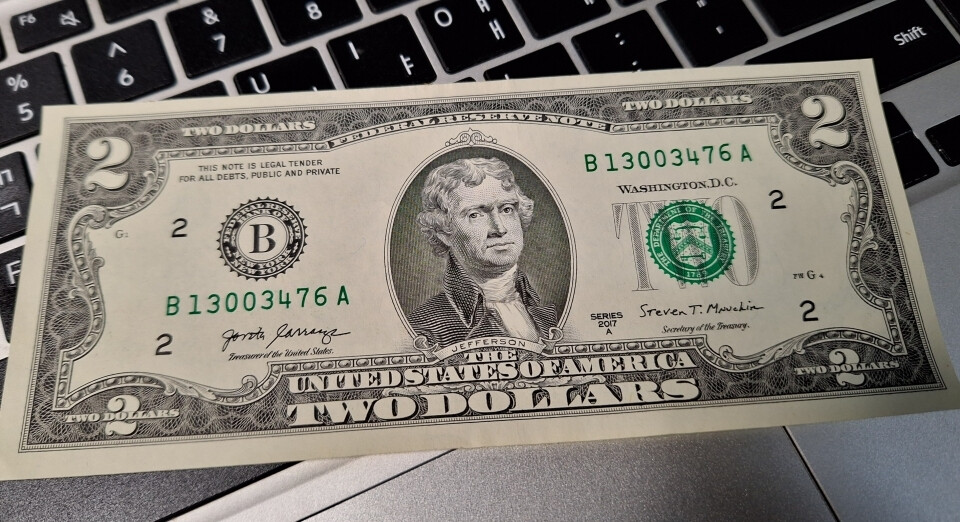
The South Korean won-dollar exchange rate continues to trade in the mid-1,500 range, resisting downward pressure even after the announcement of a peace agreement between the United States and Iran. While the easing of geopolitical tensions in the Middle East is fundamentally a positive factor for the won, robust demand for dollars from importers and prevailing uncertainties surrounding the monetary policies of major economies are effectively keeping the exchange rate from falling.
As of 9:37 a.m. on June 16, the won-dollar exchange rate was trading at 1,515.00 won in the Seoul foreign exchange market, following an opening at 1,513.6 won—up 2.6 won from the previous day's closing price. During the early morning session, the rate climbed as high as 1,517 won.
The market had witnessed a brief attempt to break below the 1,500-won threshold on the previous trading day, following news of the US-Iran peace deal, with the rate dipping to 1,503.9 won. However, the gains were quickly pared back, and the market eventually closed at 1,511.1 won. The persistence of the 1,500-won level, despite a major catalyst for a stronger won, highlights the underlying complexity of current market conditions.
Min Kyung-won, a researcher at Woori Bank, noted that while the risk-on sentiment triggered by the peace agreement and net buying by foreign investors in the domestic stock market are exerting downward pressure on the exchange rate, the floor remains firm. "Exporters and heavy industries, which have been waiting for the right moment to sell their dollar holdings, are likely to increase their supply at these levels, which could contribute to a moderate decline," Min explained.
However, the downside for the dollar remains limited. With the exchange rate lingering in the 1,500-won range, steady demand for dollars from local importers has acted as a support mechanism. Furthermore, a sense of caution ahead of the Bank of Japan’s (BOJ) monetary policy meeting and the upcoming U.S. Federal Open Market Committee (FOMC) gathering continues to stimulate dollar-buying sentiment.
"In the recent agreement, issues concerning Iran’s nuclear program and sanctions were deferred to the next stage of negotiations, and discrepancies regarding passage fees in the Strait of Hormuz persist," Min added. "The dollar is expected to maintain its support for the time being." He further warned that depending on the outcome of the BOJ's interest rate decision, volatility in the yen could intensify, which would immediately influence the won-dollar exchange rate based on market reactions to future interest rate paths.
Market analysts suggest that while the peace deal will reduce upward pressure on the exchange rate, a swift return to pre-war levels is improbable. Factors such as international oil prices, which are likely to remain higher than pre-conflict levels, and lingering concerns over the Federal Reserve’s tightening stance are preventing a sharper decline.
Oh Jae-young, a researcher at KB Securities, stated, "The peace agreement will likely stabilize oil prices and bolster risk appetite, easing the upward pressure on the won-dollar rate." However, he cautioned that returning immediately to pre-war levels—such as a dollar index of 97 and an exchange rate in the 1,440-won range—remains a significant challenge.
Park Sang-hyun, a researcher at iM Securities, expects the exchange rate to hover between 1,490 and 1,530 won for the remainder of the week. "Although the BOJ meeting and the FOMC may induce volatility, the sharp drop in oil prices following the US-Iran Memorandum of Understanding is likely to weaken the impact of monetary policy rhetoric on the dollar," Park concluded.
[Copyright (c) Global Economic Times. All Rights Reserved.]