![[등록] 2026-09-01 15:48:31](/support/_updata/banner2/tl181982910_6749.png)


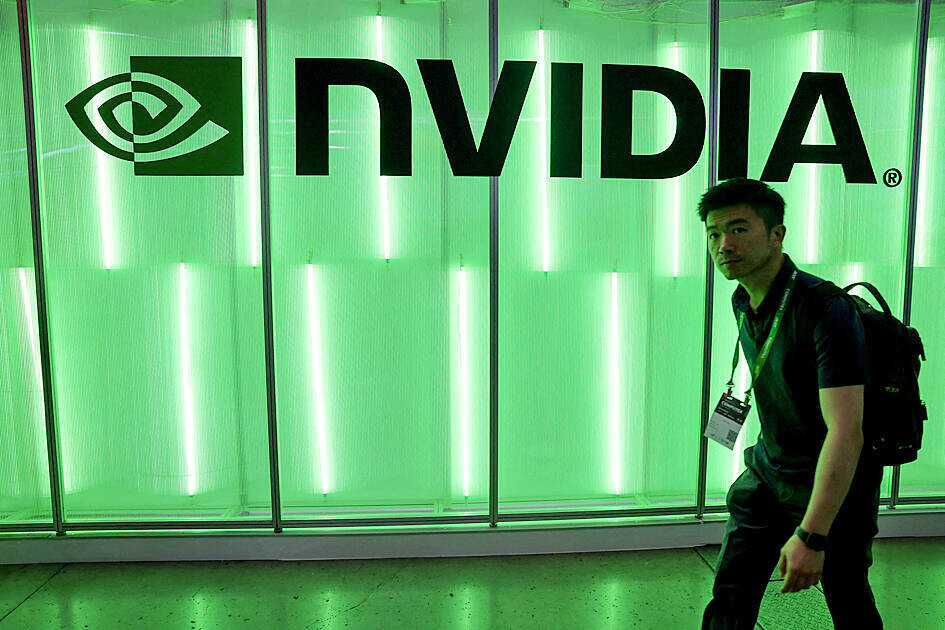
NVIDIA, the undisputed leader in the artificial intelligence semiconductor market, is preparing to return to the corporate bond market with a massive issuance of approximately $22 billion (roughly 30 trillion KRW). This strategic financial maneuver marks the company’s first significant debt offering since 2021, signaling a proactive effort to secure the necessary capital to outpace rivals in the intensifying global AI arms race.
Strategically Strengthening Capital Reserves
According to reports from Bloomberg on June 15 (local time), NVIDIA is in the process of structuring a multi-tranche bond offering. The proposed debt instruments range from two-year short-term notes to 30-year long-term bonds. Preliminary discussions suggest that the yield for the longest-dated securities is being negotiated at approximately 90 basis points above comparable U.S. Treasury rates, a pricing structure that reflects investor confidence in the company's robust balance sheet.
While NVIDIA has officially stated that a portion of the proceeds will be utilized for the repayment of existing liabilities, market analysts suggest that the core objective extends far beyond debt restructuring. Robert Schiffman, a senior analyst at Bloomberg Intelligence, noted that by leveraging the bond market, NVIDIA can solidify its financial flexibility while maintaining its strong "AA" credit rating, effectively creating a "war chest" for future strategic investments.
Fueling the Global AI Ecosystem
NVIDIA’s recent fiscal history is characterized by an aggressive expansion strategy. Over the past few years, the tech giant has funneled billions into the broader AI ecosystem to ensure its hardware dominance remains supported by a thriving software and application landscape. Notable investments include a $5 billion stake in Intel, a $10 billion injection into AI startup Anthropic, and a massive $30 billion commitment to OpenAI finalized in February of this year.
By securing these funds now, NVIDIA is positioning itself to continue its role as the backbone of the AI industry. As the demand for high-performance computing power grows, the company aims to sustain its lead by funding further infrastructure projects, research and development, and potential mergers and acquisitions that align with its long-term vision.
A Broader Trend Among Tech Titans
NVIDIA’s move is part of a larger trend of capital accumulation across the technology sector. As AI integration requires unprecedented levels of infrastructure investment, "Big Tech" firms have been tapping the bond markets with increasing frequency. Earlier this year, Alphabet and Abbott both issued $20 billion in bonds, while Oracle raised $25 billion.
The competition for liquidity is fierce: Amazon has raised $37 billion, and Salesforce has secured $25 billion to fund its own strategic goals. Meta also entered the market in April, raising $25 billion to bolster its AI investment capabilities. These figures underscore a broader economic reality: the transition to an AI-driven global economy necessitates massive, upfront capital expenditures that even the most cash-rich companies are now financing through debt markets to preserve their internal cash reserves.
As NVIDIA moves forward with this multi-billion dollar issuance, the market will be watching closely to see how the company deploys these resources. With this infusion of capital, NVIDIA is clearly signaling to its competitors and stakeholders alike that it has no intention of ceding its position as the foundational pillar of the artificial intelligence era. The race to define the future of technology is accelerating, and NVIDIA is ensuring it has the financial firepower to remain at the front of the pack.
[Copyright (c) Global Economic Times. All Rights Reserved.]