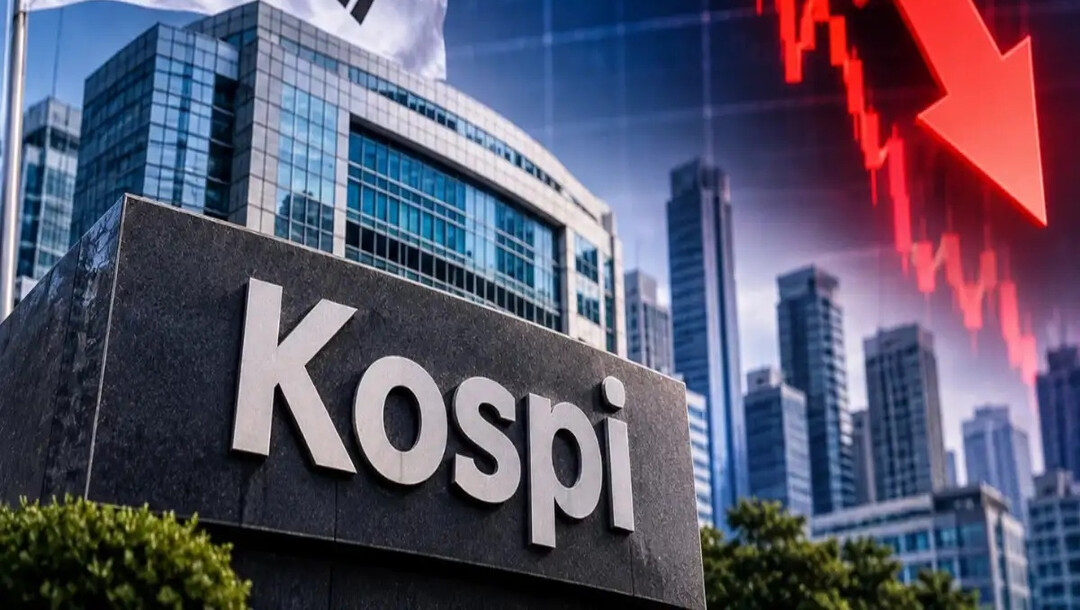
SEOUL, Nov. 29 — South Korea’s benchmark KOSPI is expected to remain trapped in a protracted bottom-building phase, as heightened macroeconomic uncertainty and the absence of a dominant buying group trigger extreme daily price swings, according to market analysts.
Last week, the index experienced a roughly 10 percent gap between its weekly peak and trough, despite closing with a modest net change of about 1 percent. After briefly climbing back above the 5,000 threshold following leadership updates at Nvidia, Seoul equities suffered a single-day drop exceeding 6 percent amid renewed scrutiny over artificial intelligence profitability and fresh U.S. trade threats, before staging a 4 percent recovery driven by dip-buying.
Analysts at Samsung Securities noted in a Sunday report that external headwinds continue to weigh heavily on investor sentiment. Stronger-than-expected U.S. GDP growth and core Personal Consumption Expenditures (PCE) inflation data have reinforced expectations that the Federal Reserve will keep monetary policy tight. Adding to the pressure, Washington’s push to levy new tariffs under Section 301 of the Trade Act over industrial overcapacity concerns has further curbed risk appetite.
A glimmer of support emerged from shifting institutional sentiment abroad, notably reports that prominent investor Michael Burry exited his bearish bets against the sector and pivoted toward long positions. Samsung Securities suggested that while one investor's portfolio adjustment cannot single-handedly reverse a broader market trend, it signals limited downside reward at current valuations and could encourage further bargain hunting.
Nevertheless, market resilience remains fragile, with the Cboe Volatility Index (VIX) holding at elevated levels. Upcoming catalysts—including Nvidia CEO Jensen Huang’s public hearing on Dec. 4 and the Federal Open Market Committee’s policy announcement on Dec. 10—are expected to keep traders on edge.
Rather than anticipating a broad-based rally, Samsung Securities expects a highly selective, stock-specific market to take shape. Sectors backed by independent growth narratives or upcoming industry catalysts—such as the Consumer Electronics Show (CES) and the J.P. Morgan Healthcare Conference in early 2027—are projected to outperform.
To navigate the ongoing turbulence, the brokerage recommended using short-term technical rebounds to trim existing exposures while gradually accumulating shares in emerging growth industries ahead of next year's market cycle.
[Copyright (c) Global Economic Times. All Rights Reserved.]