The Korea Tourism Organization (President Park Sung-hyuk, hereinafter KTO) signed a written Memorandum of Understanding (MOU) with the ROK-US Combined Forces Command (hereinafter CFC) to promote tourism and cultural exchanges for enhancing ROK-US friendship.
This agreement was established to significantly expand opportunities for South Korean and U.S. service members and their families to experience Korean culture and to drive the revitalization of regional tourism, building on the operational achievements of the tourism and cultural experience programs jointly conducted by the two organizations this year.
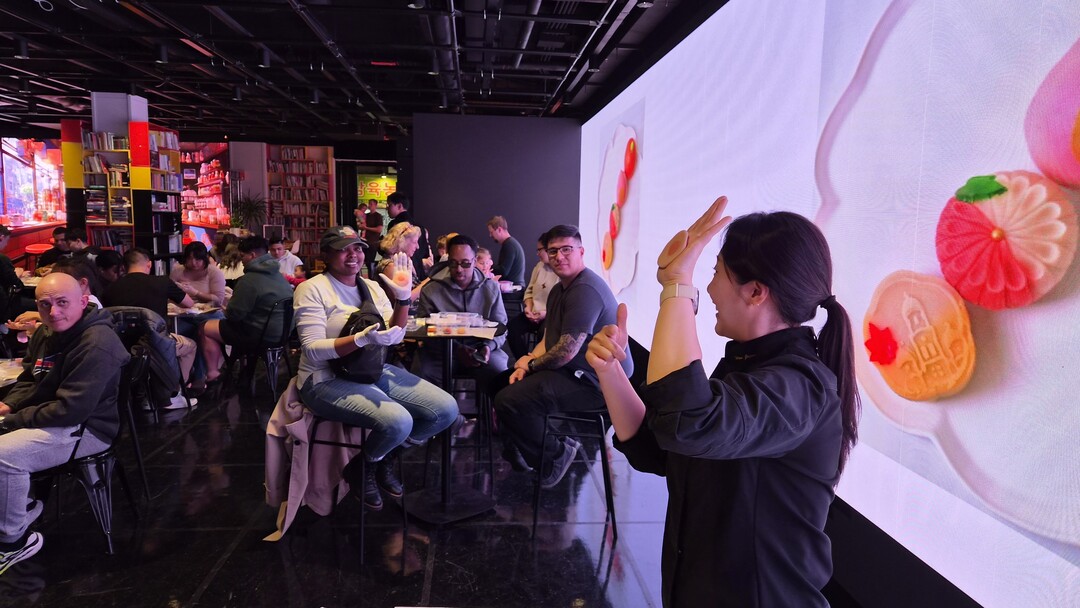
Through this MOU, the two organizations plan to cooperate until December 31, 2027, on: ▲ discovering region-specific tourism content, ▲ supporting the operation of security, history, and cultural exploration programs for ROK-US service members and their families, ▲ jointly promoting tourism and cultural exchange projects, and ▲ conducting joint promotional activities utilizing the resources and networks held by both organizations.
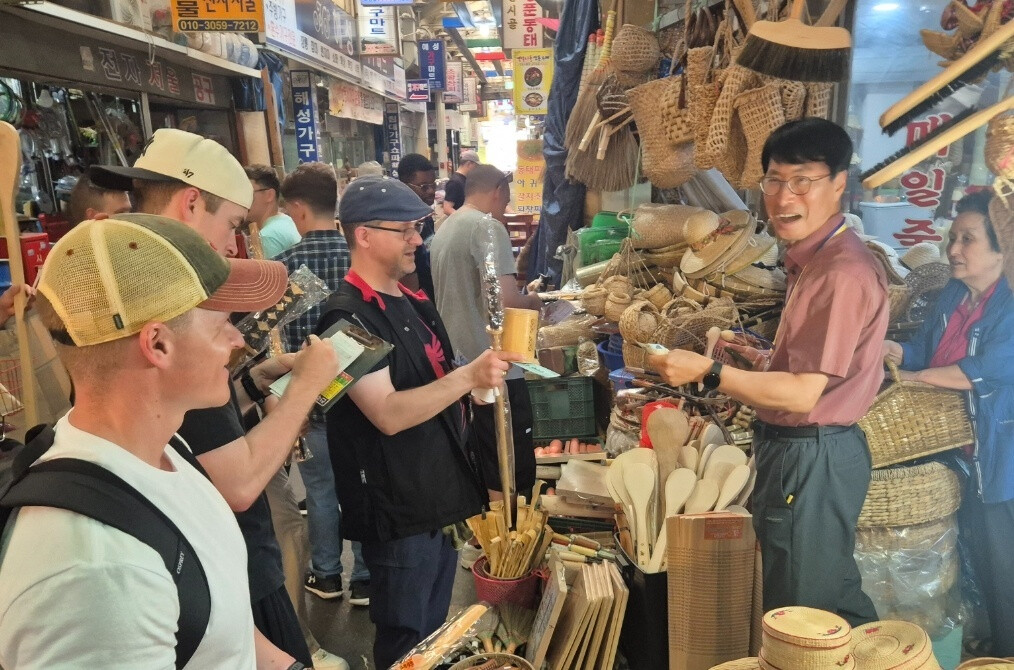
Previously, from September to November of this year, the KTO collaborated with the CFC to operate a variety of Korean tourism experience programs for 920 participants, including U.S. Forces Korea (USFK) personnel and their families. In particular, programs at traditional markets—such as Jeonju Nambu Market, which was selected as a '2026 K-Tourism Market'—where participants tasted local signature foods, shopped directly, and vividly experienced the daily culture of Koreans, received great acclaim. Additionally, participants experienced diverse Korean tourism content, including K-culture at 'HiKR Ground,' the Korean tourism publicity center in Jung-gu, Seoul, and touring the 'DMZ Live' exhibition hall in Paju.
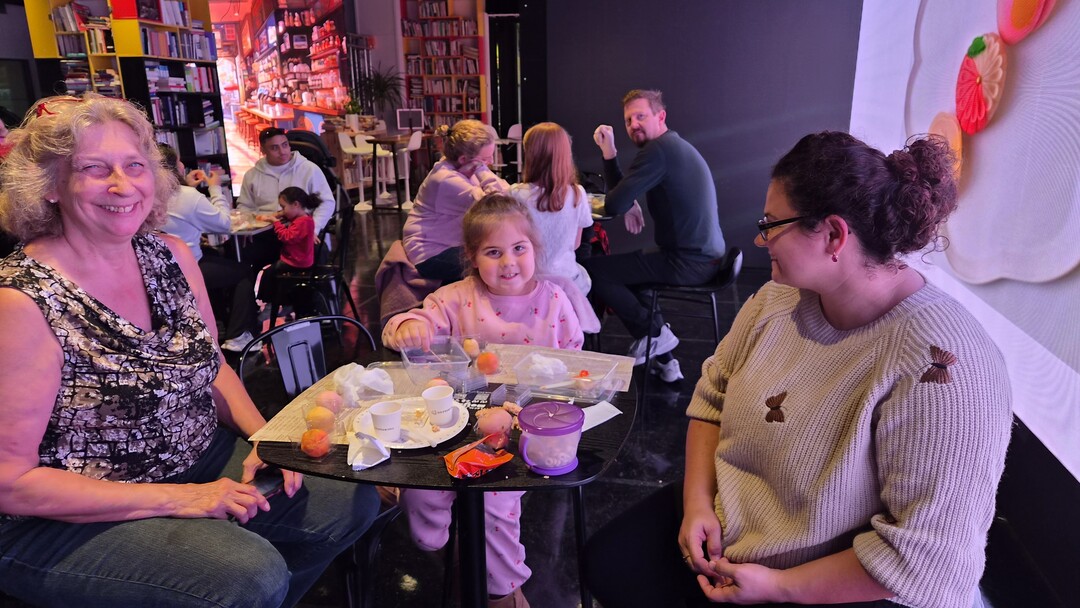
Kang Yoo-young, head of the Regional Tourism Promotion Team, stated, "Through this MOU, we hope that ROK-US service members and their families will discover the hidden charms of South Korea," adding, "Next year, we plan to introduce even stronger specialized experiential content that combines unique regional history, culture, and gastronomic resources, including traditional markets."
[Copyright (c) Global Economic Times. All Rights Reserved.]