

SEOUL, Nov. 29 — Public institutions in South Korea will soon enjoy slightly cooler summers and warmer winters as the government relaxes its decades-old indoor temperature mandates by 2 degrees Celsius.
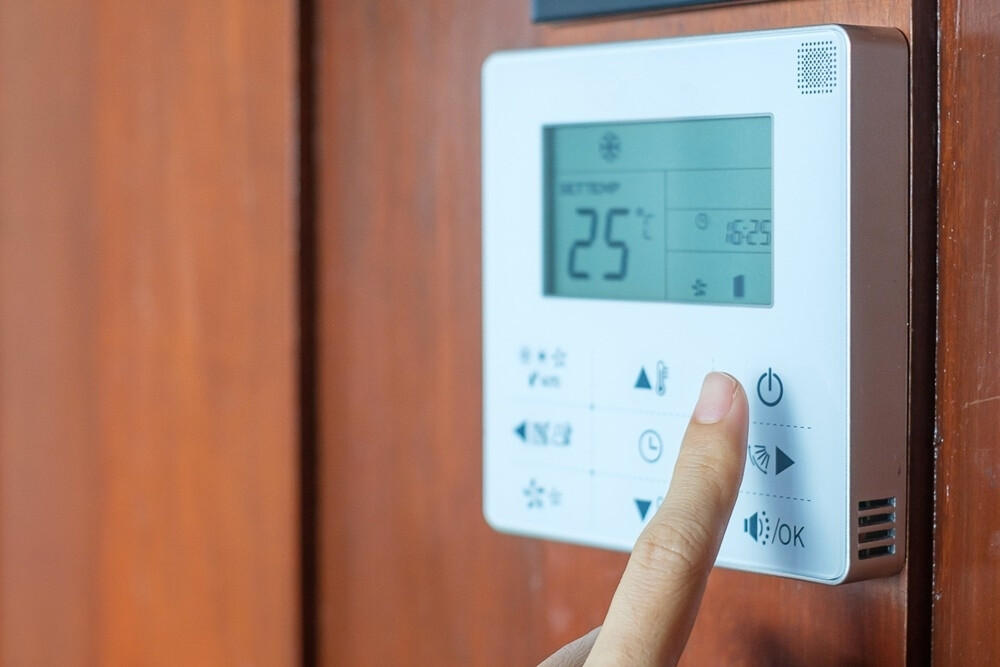
Starting November 30, minimum air conditioning limits in public buildings will drop from 28°C to 26°C, while maximum heating limits will rise from 18°C to 20°C, according to a revised regulation announced Sunday by the Ministry of Climate, Energy and Environment.
The policy shift marks the first major overhaul of the rules since their inception in 1980 during the global oil crisis. While the strict thresholds were originally designed to curb national energy consumption, intensifying heatwaves and cold spells driven by climate change have prompted growing criticism that the 46-year-old standards compromise workplace productivity and employee well-being.
Government-backed research conducted in 2024 supports the adjustment, indicating that the benefits to worker efficiency far outweigh the minimal strain on the power grid. According to the study, easing the limits by 2 degrees adds just 0.35% to peak summer electricity demand and 0.12% in the winter. Meanwhile, workplace efficiency metrics jumped by 50% under the new cooling standard and nearly 32% under the revised heating threshold, alongside substantial gains in overall thermal comfort.
To offset the slight uptick in power usage, authorities will roll out stricter building-by-building energy management protocols. The government plans to publish individual building energy consumption ratings and introduce real-time usage tracking paired with conservation alerts. Should a national power supply emergency occur, the relaxed rules will be temporarily suspended, reinstating the stricter limits alongside mandatory power cuts for non-essential office equipment.
[Copyright (c) Global Economic Times. All Rights Reserved.]