![[등록] 2026-09-01 15:48:31](/support/_updata/banner2/tl181982910_6749.png)


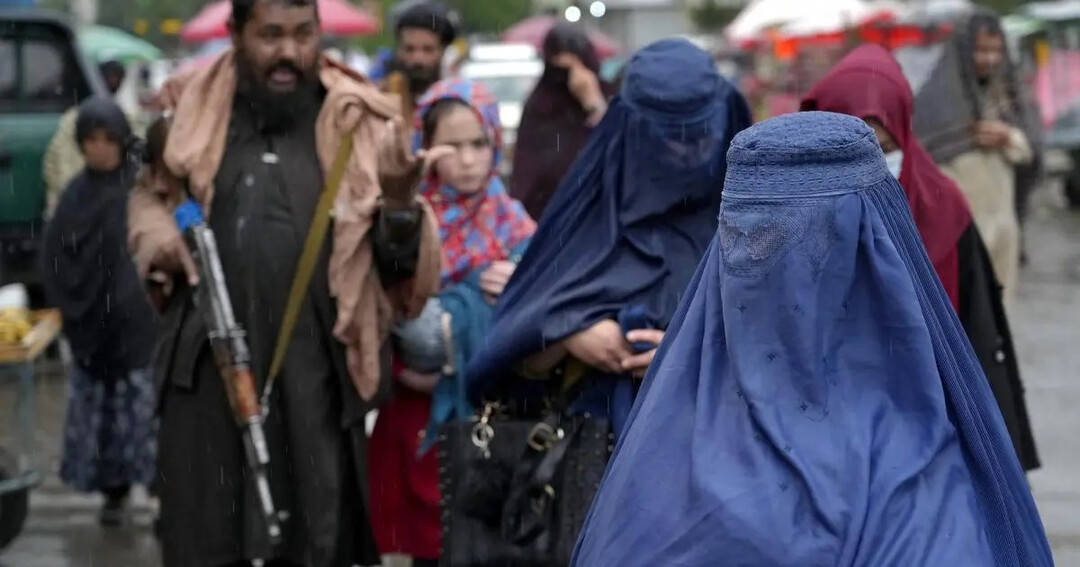
Since the Taliban's swift takeover of Afghanistan in 2021 following the U.S. withdrawal, the nation has faced a complex web of internal strife, economic hardship, and limited international recognition. While China has engaged in significant economic agreements with the Taliban, the stability and long-term viability of these investments remain uncertain amidst a backdrop of escalating internal tensions.
Internal Power Struggles Intensify
The Taliban regime, led by Supreme Leader Hibatullah Akhundzada, is increasingly fractured. While public statements deny internal conflict, evidence suggests otherwise. The regime is broadly divided into four factions: the Kandahar faction, emphasizing religious orthodoxy; the Haqqani Network, a powerful military-economic group; the Doha faction, advocating for limited international engagement; and local warlords, gaining regional autonomy.
Reports indicate a growing power struggle between the Kandahar faction and the Haqqani Network. Recent events, such as the disappearance of Interior Minister Sirajuddin Haqqani and the departure of Deputy Foreign Minister Abbas Stanikzai, highlight the severity of these divisions. These internal conflicts threaten to destabilize the regime and exacerbate existing security challenges.
Rising Opposition and Security Threats
Outside the Taliban regime, opposition forces are gaining strength. Groups like ISIS, former Afghan government officials, and armed groups led by Ahmad Massoud's National Resistance Front (NRF) and Yasin Zia's Afghanistan Freedom Front (AFF) pose significant threats. The AFF has demonstrated its combat capabilities with attacks in Kabul, while the NRF is expanding its operational areas and military training. These opposition forces, capitalizing on ethnic dissatisfaction with the Taliban's Pashtun-centric rule, are fueling instability.
Economic Crisis and Limited International Recognition
Afghanistan's economy is in a severe recession, with a 26% GDP decline in the past two years, according to the World Bank. High unemployment and widespread poverty have created a dire situation. Despite diplomatic efforts, international recognition of the Taliban regime remains limited, hindering access to crucial aid.
Transparency International's 2024 report ranked Afghanistan 165th out of 180 countries in public sector corruption, with a Corruption Perceptions Index score of 17, indicating ongoing challenges. While the Taliban claims to have eradicated corruption, skepticism remains.
China's Engagement and Investment
Despite the instability, China has pursued significant economic engagement with the Taliban. In 2023, China's CAPEIC signed a $540 million investment agreement, and in 2024, a $10 billion agreement for the Mes Aynak copper mine and Baghdara hydropower project was signed. The commencement of road construction to the Mes Aynak mine signals progress, but the long-term success of these projects is contingent on stability.
Regional Spillover and Pakistan Tensions
The deteriorating situation in Afghanistan poses a regional spillover risk. The rise of Tehrik-i-Taliban Pakistan (TTP), operating from Afghan territory, has severely impacted Pakistan's security, leading to heightened tensions. Pakistan has threatened to deport millions of Afghan refugees, which would further destabilize Afghanistan.
Conclusion
While the Taliban initially brought a reduction in widespread violence, the regime's failure to consolidate power, internal infighting, and escalating opposition threats paint a grim picture. The economic crisis and limited international recognition compound these challenges. China's economic engagement offers potential, but the risks are substantial. The potential for regional destabilization, particularly with Pakistan, adds another layer of complexity. The future of Afghanistan remains highly uncertain, with the possibility of a deepening internal crisis and significant regional repercussions.
[Copyright (c) Global Economic Times. All Rights Reserved.]