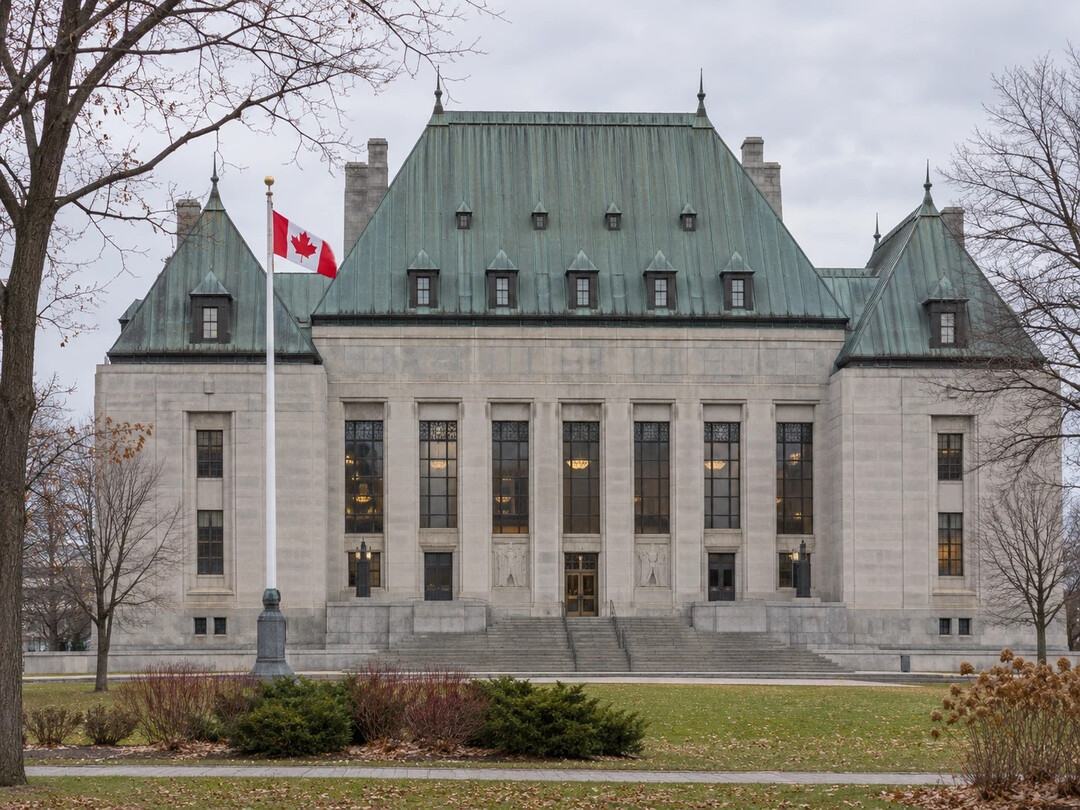
OTTAWA — Canada’s top court has affirmed the legality of a contentious Quebec statute that bars certain civil servants from wearing religious attire on the job, though it struck down a specific restriction targeting lawmakers.
In a landmark decision delivered Friday, the Supreme Court of Canada validated the core provisions of Bill 21, legislation passed by Quebec’s provincial government in 2019. The law forbids public employees in positions of authority—such as public school teachers, police officers, and judges—from displaying religious symbols like hijabs, turbans, and kippahs during working hours.
Central to the court’s reasoning was Quebec's preemptive use of the Canadian Constitution's "notwithstanding clause," a mechanism that shields legislation from judicial invalidation even if it infringes upon guaranteed rights like freedom of religion. The justices concluded that the province acted within its constitutional authority, noting that the measure reflects Quebec's longstanding societal consensus on state secularism. However, the court invalidated a separate clause that prohibited provincial legislators from conducting official business with their faces covered.
The ruling drew sharp reactions across the political and social spectrum:
Civil Rights Advocates: Stephen Brown, who leads the National Council of Canadian Muslims, condemned the outcome as institutional discrimination. He noted that the ban has effectively driven numerous Muslim women out of the education sector and barred some parents from participating as school volunteers.
Provincial Lawmakers: Mathieu Lévesque, interim head of the ruling Coalition Avenir Québec (CAQ), hailed the verdict as a major triumph for Quebec's national identity and the party's secularist platform.
Federal Response: Prime Minister Mark Carney acknowledged the court's independence while distancing the federal government from Quebec's approach. Reaffirming the Liberal government's commitment to safeguarding minority rights, Carney emphasized that Ottawa would refrain from invoking the notwithstanding clause to curtail civil liberties.
[Copyright (c) Global Economic Times. All Rights Reserved.]