![[등록] 2026-09-01 15:48:31](/support/_updata/banner2/tl181982910_6749.png)


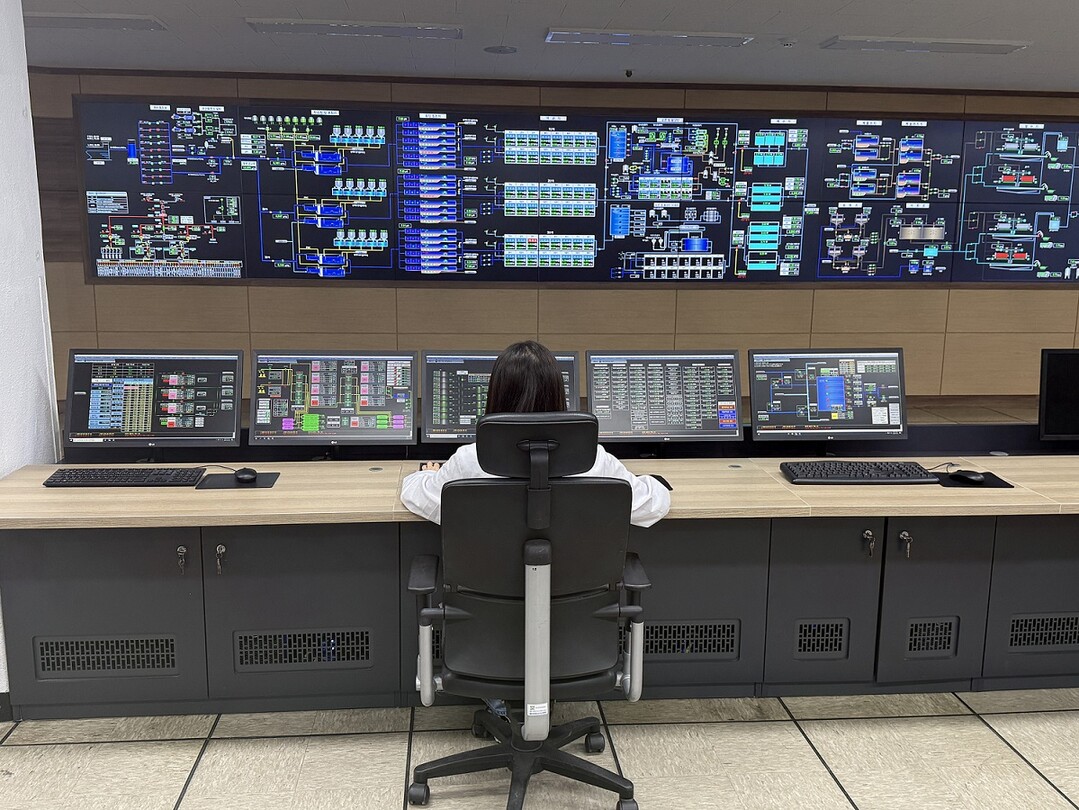
Daejeon Metropolitan City is taking a significant leap forward in water purification technology with the full-scale implementation of an advanced artificial intelligence (AI) based coagulant auto-injection system at its Wolpyeong Water Treatment Plant, commencing this May. This state-of-the-art system signifies a paradigm shift in how the city manages its precious water resources, promising enhanced water quality stability, optimized operational efficiency, and a reduced environmental footprint.
The newly commissioned system is engineered to meticulously monitor a spectrum of critical raw water parameters in real time, including turbidity, pH levels, and temperature. Leveraging sophisticated AI algorithms, the system autonomously analyzes this influx of data to dynamically determine and precisely control the optimal dosage of coagulants – the chemical agents crucial for removing suspended solids and impurities during the water treatment process.
This strategic adoption of AI-driven automation comes at a critical juncture, as water utilities worldwide grapple with the increasing challenges posed by climate change. Erratic weather patterns contribute to heightened variability in raw water quality, increasing the frequency and intensity of events such as algal blooms, sediment surges from heavy rainfall, and fluctuations in contaminant levels. Traditional water treatment methods, often reliant on manual adjustments and historical data, can struggle to respond effectively to these dynamic conditions.
The AI-based auto-injection system in Daejeon offers a proactive and adaptive solution. By continuously analyzing real-time data, it can anticipate and respond to subtle shifts in water quality far more rapidly and accurately than manual interventions. This agility is paramount in maintaining consistent and high-quality treated water, safeguarding public health and ensuring a reliable supply for the city's residents.
Beyond bolstering water quality stability, the intelligent automation of coagulant dosing yields significant operational advantages. Optimizing the use of coagulants is not only economically prudent but also environmentally responsible. Over-dosing can lead to increased chemical costs and the generation of larger volumes of sludge, a byproduct of the treatment process that requires disposal. Daejeon's new system is projected to reduce coagulant consumption by an average of 5%, translating into substantial cost savings and a smaller environmental impact through minimized sludge production. This aligns with broader sustainability goals and contributes to a more eco-friendly water treatment process.
Daejeon City has already demonstrated its commitment to leveraging AI for water resource management through the prior implementation of an AI-based water quality prediction system within the Daechung Lake watershed, a vital source of drinking water for the region. This predictive capability allows the city to anticipate and proactively manage potential threats from algal blooms, odor-causing compounds, and manganese contamination, further underscoring its forward-thinking approach to water security.
The installation of the coagulant auto-injection system at the Wolpyeong plant represents the next logical step in this technological evolution. The project, which involved an investment of 130 million KRW (approximately $97,000 USD based on current exchange rates) over a three-month period commencing in February, strategically incorporated innovative products recognized by the South Korean Ministry of Environment. This emphasis on utilizing cutting-edge and environmentally sound technologies highlights Daejeon's dedication to both efficiency and sustainability.
Experts in the field emphasize that the integration of AI into water treatment processes signifies a global trend towards smart water management. These AI-powered systems offer numerous benefits, including:
Enhanced Water Quality Monitoring: Continuous, real-time analysis provides a comprehensive understanding of water conditions.
Optimized Chemical Usage: Precise dosing reduces chemical costs and minimizes the formation of disinfection byproducts, which can pose health risks.
Improved Operational Efficiency: Automation reduces the need for manual adjustments, freeing up human resources for other critical tasks.
Early Warning Systems: AI algorithms can identify patterns and anomalies that may indicate potential water quality issues, allowing for proactive intervention.
Data-Driven Decision Making: The wealth of data generated by these systems provides valuable insights for optimizing the entire water treatment process.
Adaptability to Changing Conditions: AI's ability to learn and adapt ensures the system remains effective even as raw water quality fluctuates.
Park Do-hyeon, the head of the Daejeon City Waterworks Authority, aptly summarized the significance of this development, stating that the AI-based auto-injection system marks a pivotal moment in the "smartization" of their water treatment processes and a tangible improvement in the quality of tap water experienced by the city's residents. He further affirmed the city's commitment to actively embracing advanced technologies to ensure a safe and reliable drinking water supply for all citizens.
Daejeon's proactive adoption of AI in its water treatment infrastructure serves as a compelling model for other municipalities facing similar challenges. By embracing the power of artificial intelligence, the city is not only ensuring the provision of clean and safe water but also paving the way for a more sustainable and efficient future for water resource management. The successful implementation of this system at the Wolpyeong plant is a testament to Daejeon's commitment to innovation and its dedication to the well-being of its citizens.
[Copyright (c) Global Economic Times. All Rights Reserved.]