![[등록] 2026-09-01 15:48:31](/support/_updata/banner2/tl181982910_6749.png)


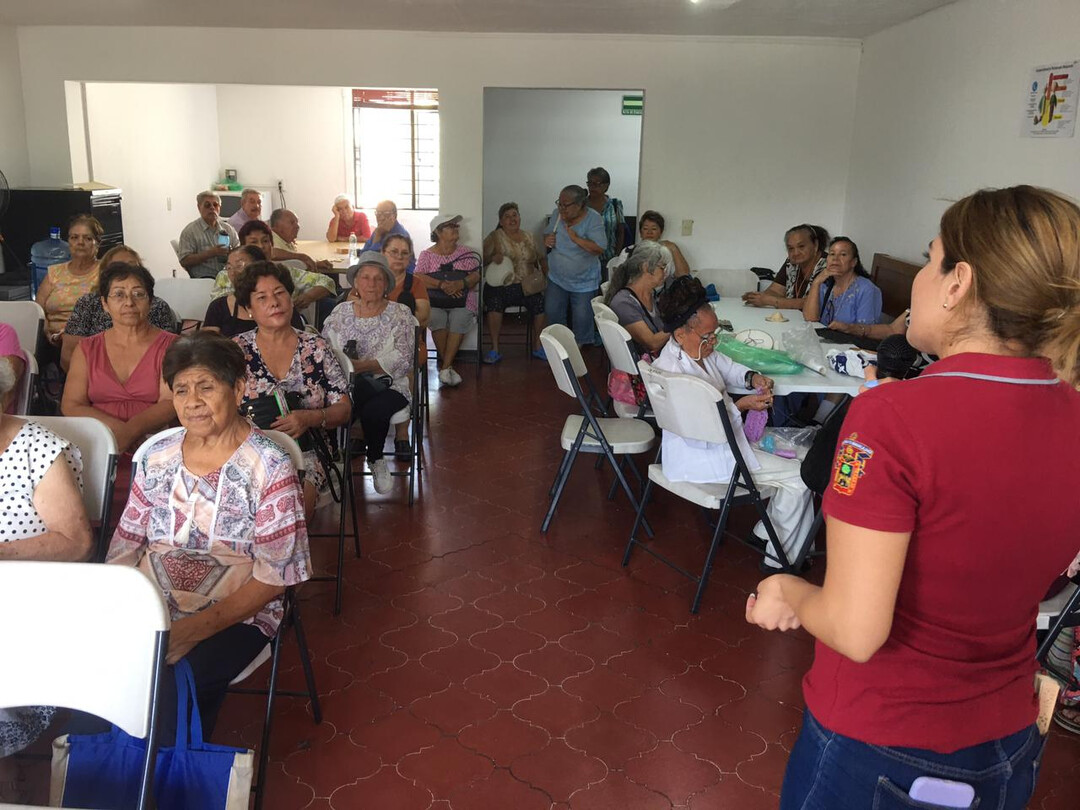
Yesterday (June 15) marked World Elder Abuse Awareness Day. This day was established to raise awareness and expose the abuse, suffering, and exploitation many older adults experience. This year's theme was "Tackling Elder Abuse in Long-Term Care Facilities: Through Data and Action." This highlights the need for attention and improvement in long-term care facilities, where elder abuse predominantly occurs.
The United Nations encourages public awareness of issues related to elder abuse, strengthening preventative measures, and fostering cooperation between authorities and civil society to protect vulnerable older populations. This suggests that solving the problem of elder abuse is a collective effort of society as a whole, not just the responsibility of specific organizations or individuals.
Diverse Forms and Severity of Elder Abuse
Elder abuse and exploitation manifest in various forms, including physical abuse, psychological abuse, sexual abuse, financial abuse, and neglect and abandonment. Such abuse infringes upon the dignity of older adults and severely impacts their physical and mental health.
Physical abuse refers to acts that cause harm to an older person's body, such as assault, confinement, or inappropriate medication administration. This can lead to not only visible injuries but also serious injuries like fractures and concussions, and in severe cases, even death. Psychological abuse involves acts that harm an older person's mental well-being, such as verbal abuse, insults, threats, and control. This can induce depression, anxiety, and low self-esteem, and can deepen social isolation. Sexual abuse refers to forcing sexual contact or acts against an older person's will. This inflicts severe psychological trauma and shame on older adults and can lead to physical ailments. Financial abuse involves taking or improperly using an older person's assets. This includes acts such as seizing pensions, savings, or real estate, or forcibly changing ownership. This can undermine the economic foundation of older adults and push them into poverty. Neglect and abandonment refer to failing to provide essential necessities such as food, shelter, medical services, and hygiene management, or leaving older adults unattended. This is a severe form of abuse that directly threatens an older person's life and health.
These abusive acts can occur within the home or in various places where older adults reside or stay, such as long-term care facilities or hospitals. In particular, long-term care facilities pose a higher risk of abuse due to the isolation of older adults from the outside world, making monitoring by guardians difficult, and the power imbalance between facility staff and residents.
The Importance of Social Efforts to Prevent Elder Abuse
To eradicate elder abuse, it is essential to eliminate stereotypes and prejudices about aging. Society must no longer view older adults as merely helpless and dependent beings but should respect them as independent individuals with experience and wisdom. Furthermore, society must build social bridges to prevent and eradicate elder abuse by fostering healthy family dynamics and promoting intergenerational exchange.
Awareness campaigns: Campaigns to raise public awareness about the severity and various forms of elder abuse should be continuously promoted. This can increase social sensitivity to elder abuse and improve the reporting rate of abusive situations. Legal and institutional strengthening: Punishments for perpetrators of elder abuse should be strengthened, and legal and institutional mechanisms to protect elder victims should be established. Additionally, the capacity of specialized elder abuse agencies should be enhanced, and reporting and counseling systems improved to enable swift and effective responses. Strengthening management of long-term care facilities: To prevent elder abuse within long-term care facilities, regular oversight and evaluation of facilities should be strengthened. Furthermore, human rights education for staff should be made mandatory, and elder abuse prevention guidelines established to increase transparency in facility operations. Mandatory CCTV installation and expanded access rights to recorded footage could also be considered. Promoting intergenerational exchange: Programs that allow younger and older generations to communicate and interact should be revitalized to increase intergenerational understanding and build bonds. This can improve negative perceptions of older adults and contribute to preventing elder abuse. Expanding elder human rights education: Human rights education should be expanded for older adults themselves, their families, and all members of society, so that older adults can recognize their own rights and seek help if abuse occurs. Additionally, instilling human rights awareness in potential abusers can be expected to have the effect of preventing abuse. Psychological support and counseling: Psychological support and counseling services for victims of elder abuse should be strengthened to help them overcome trauma and regain a healthy life. Efforts to prevent recurrence through counseling programs for abusers are also needed.
Older adults are important members of our society, and their quality of life is a measure of society's overall health. The problem of elder abuse is not merely an individual's misfortune but a collective responsibility of society. Through data-driven analysis and proactive action, we must continuously strive to ensure all older adults can live in a dignified and safe environment. This is the mature and inclusive society we should aim for.
[Copyright (c) Global Economic Times. All Rights Reserved.]