![[등록] 2026-09-01 15:48:31](/support/_updata/banner2/tl181982910_6749.png)


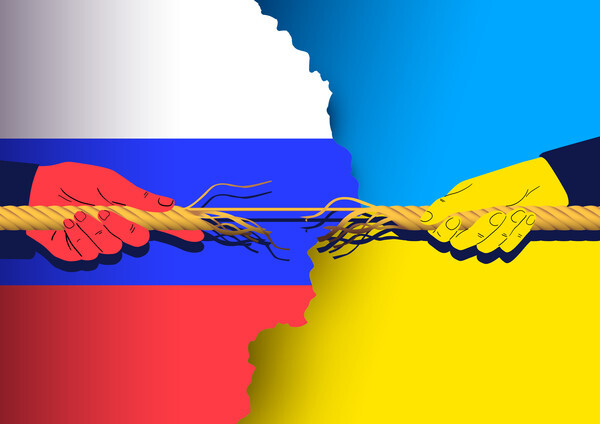
WASHINGTON D.C. – The fragile prospect of a ceasefire in the ongoing Russia-Ukraine war, briefly ignited by U.S. President Donald Trump's mediation efforts, has once again receded, leaving the international community in a state of heightened concern. Despite diplomatic overtures and direct engagement, the conflict remains entrenched, with both sides displaying a resolute commitment to their respective positions.
President Trump, who had initially hinted at a potential breakthrough, has now found his efforts stymied by the persistent intransigence of the warring parties. Following a discreet 15-minute encounter with Ukrainian President Volodymyr Zelenskyy at the solemn funeral of Pope Francis in Vatican City, Trump conveyed a semblance of optimism, noting Zelenskyy's apparent composure and willingness to engage in dialogue. However, this fleeting optimism has been overshadowed by the stark realities on the ground.
The U.S. administration, under mounting pressure to deliver tangible results, has issued a stern warning to both Russia and Ukraine. Secretary of State Marco Rubio, in a candid appearance on NBC's "Meet the Press," articulated the administration's growing impatience, stating, "There must be swift progress. We cannot continue to expend time and resources without seeing concrete outcomes." This warning underscores the delicate balance between diplomatic engagement and the imperative for decisive action.
Conversely, Russian Foreign Minister Sergey Lavrov has reaffirmed Russia's unwavering commitment to its military objectives. In a pre-recorded interview on CBS's "Face the Nation," Lavrov unequivocally stated that Russia would persist in targeting Ukrainian military installations, dismissing allegations of indiscriminate civilian targeting. This defiant stance has further exacerbated tensions and diminished hopes for a near-term resolution.
President Zelenskyy, in a poignant message disseminated via the social media platform Telegram, provided a stark assessment of the ongoing hostilities. He reported nearly 70 Russian attacks within a single day, underscoring the relentless intensity of the conflict. Zelenskyy implored the international community to intensify its pressure on Russia, asserting that the current level of engagement remains inadequate to compel a cessation of hostilities.
The contentious issue of territorial integrity continues to be a major stumbling block in the negotiations. Ukraine and its European allies have vehemently rejected certain U.S. proposals, advocating for an immediate ceasefire followed by substantive discussions on territorial matters. The U.S. proposal, which appeared to tacitly acknowledge Russia's control over Crimea and other occupied regions, has ignited a firestorm of controversy.
Within the United States, concerns have been raised about the potential for President Trump to capitulate to Russian President Vladimir Putin. Senate Democratic Leader Chuck Schumer, in an appearance on CNN, expressed his apprehensions, stating, "I fear that President Trump may capitulate to Putin." Schumer emphasized the moral imperative of supporting Ukraine, citing the immense sacrifices made by the Ukrainian people and the unified stance of the Western world against Russian aggression.
The international community now finds itself at a critical juncture, grappling with the daunting challenge of navigating a complex and volatile geopolitical landscape. The prospects for a peaceful resolution remain uncertain, as the conflict continues to rage, claiming lives and destabilizing the region. The coming weeks will be pivotal in determining whether diplomacy can prevail or whether the conflict will escalate further, with potentially catastrophic consequences.
[Copyright (c) Global Economic Times. All Rights Reserved.]