• 2026.05.08 (Fri)
  • All articles
  • LOGIN
  • JOIN
Global Economic Times
fashionrunwayshow2026
  • Synthesis
  • World
  • Business
  • Industry
  • ICT
  • Distribution Economy
  • Well+Being
  • Travel
  • Eco-News
  • Education
  • Korean Wave News
  • Opinion
  • Arts&Culture
  • Sports
  • People & Life
    • International Student Report
    • With Ambassador
  • Column
    • Cho Kijo Column
    • Cherry Garden Story
    • Ko Yong-chul Column
    • Kim Seul-Ong Column
    • Lee Yeon-sil Column
  • Photo News
  • New Book Guide
MENU
 
Home > Business

Online Shopping Scams Surge During Pandemic, Shift in Tactics and Targets

Desk / Updated : 2024-12-25 14:24:23
  • -
  • +
  • Print


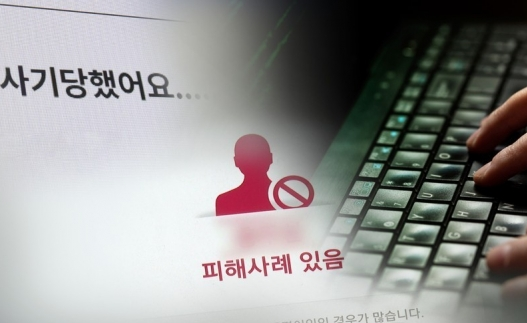
Seoul, South Korea – The COVID-19 pandemic has led to a significant shift in the tactics and targets of online shopping scams, according to a new analysis by the Seoul Metropolitan Government.   

The Seoul e-commerce center has been tracking fraudulent online shopping malls since 2005 and found that the timing and types of scams have changed dramatically since the pandemic began.   

Before the pandemic, most fraudulent online shopping malls were detected in January and September, coinciding with major holidays like Lunar New Year, Chuseok, and Christmas. However, since 2020, the peak detection period has shifted to June and July. The city attributed this change to the increased demand for outdoor activities and related products, such as golf and camping gear, during the pandemic.

The types of items targeted by scammers have also evolved. While clothing, shoes, and gift certificates were common targets before the pandemic, the focus has shifted to shopping mall side hustles, sports and leisure goods, and personal sales scams. The surge in shopping mall side hustle scams, where victims are lured into buying products with promises of rewards for writing reviews but never receive the promised compensation, has been particularly noticeable since the pandemic.

Seoul officials believe that the economic downturn caused by the pandemic, with rising prices and interest rates, has made people more vulnerable to scams promising easy money. The city also noted a shift in the methods used by scammers to reach potential victims. While search engines, price comparison websites, and spam emails were common tactics before the pandemic, scammers have increasingly turned to open market platforms, peer-to-peer trading platforms, text messages, and social media.   

The analysis also revealed a concerning trend of fraudulent websites impersonating well-known online retailers and using overseas servers. In 2022 and 2023, the city identified 33 and 32 cases, respectively, of websites falsely claiming to be popular online marketplaces. Moreover, out of the 77 fraudulent shopping malls detected this year, 72 were found to be hosted on overseas servers, making them difficult to shut down.   

[Copyright (c) Global Economic Times. All Rights Reserved.]

  • #globaleconomictimes
  • #koyongchul
  • #cherrylee
  • #seoulkorea
  • #periodicoeconomico
  • #글로벌이코노믹타임즈
  • #GET
  • #GETtv
  • #liderdel
Desk
Desk

Popular articles

  • ASML Sees Surge in South Korean Revenue as Samsung and SK Hynix Accelerate Next-Gen Fab Operations

  • “Printing Lenses Like Newspapers”: Korean Researchers Unveil Game-Changing Mass Production for Metalenses

  • South Korea Leads World in AI Patents per Capita, Narrowing Gap with U.S. and China 

I like it
Share
  • Facebook
  • X
  • Kakaotalk
  • LINE
  • BAND
  • NAVER
  • https://www.globaleconomictimes.kr/article/1065590593141142 Copy URL copied.
Comments >

Comments 0

Weekly Hot Issue

  • Celltrion’s Zymfentra Sees Explosive 300% Growth, Hits Record Quarterly Prescriptions in the U.S.
  • BMW Korea Ignites May with Exclusive 9-Model Online Limited Edition Lineup
  • Hyundai Mobis Completes Independent EV 'Heart' Lineup: A Major Leap Toward Global Leadership in Power Electric Systems
  • OpenAI Redefines Human-AI Interaction with ‘GPT-Realtime-2’ and New Suite of Live Voice Models
  • Tensions Flare in Strait of Hormuz: U.S.-Iran Clashes Threaten Fragile Truce
  • UAE Sovereign Wealth Giants Descend on Seoul to Forge Strategic AI Alliance

Most Viewed

1
Iran Imposes Transit Fees on Strait of Hormuz Amid Escalating Maritime Tensions
2
Korea and Vietnam Forge Strategic Partnership in Science, Technology, and Innovation
3
80% of Enterprises Hit by 'AI Agent Anomalies': SailPoint Calls for Integrated Identity Governance
4
Kurly Abandons 'All-Paper' Packaging Strategy Amid Rising Cost Pressures
5
Tradition Meets the Public: Chungju’s Gugak Busking
광고문의
임시1
임시3
임시2

Hot Issue

Tensions Flare in Strait of Hormuz: U.S.-Iran Clashes Threaten Fragile Truce

Tesla Model Y Becomes First to Pass Grueling New U.S. Autonomous Safety Tests

U.S. Trade Court Strikes Down Trump’s ‘Global 10% Tariff,’ Citing Executive Overreach

Hyundai Motor Group Bets $700 Million on Mexico Amid Trade Policy Volatility

Fashion Runway Show 2026

Global Economic Times
korocamia@naver.com
CEO : LEE YEON-SIL
Publisher : KO YONG-CHUL
Registration number : Seoul, A55681
Registration Date : 2024-10-24
Youth Protection Manager: KO YONG-CHUL
Singapore Headquarters
5A Woodlands Road #11-34 The Tennery. S'677728
Korean Branch
Phone : +82(0)10 4724 5264
#304, 6 Nonhyeon-ro 111-gil, Gangnam-gu, Seoul
Copyright © Global Economic Times All Rights Reserved
  • 에이펙2025
  • APEC2025가이드북TV
  • 반달곰 프로젝트
Search
Category
  • All articles
  • Synthesis
  • World
  • Business
  • Industry
  • ICT
  • Distribution Economy
  • Well+Being
  • Travel
  • Eco-News
  • Education
  • Korean Wave News
  • Opinion
  • Arts&Culture
  • Sports
  • People & Life 
    • 전체
    • International Student Report
    • With Ambassador
  • Column 
    • 전체
    • Cho Kijo Column
    • Cherry Garden Story
    • Ko Yong-chul Column
    • Kim Seul-Ong Column
    • Lee Yeon-sil Column
  • Photo News
  • New Book Guide
  • Multicultural News
  • Jobs & Workers