• 2025.12.17 (Wed)
  • All articles
  • LOGIN
  • JOIN
Global Economic Times
APEC2025KOREA가이드북
  • Synthesis
  • World
  • Business
  • Industry
  • ICT
  • Distribution Economy
  • Well+Being
  • Travel
  • Eco-News
  • Education
  • Korean Wave News
  • Opinion
  • Arts&Culture
  • Sports
  • People & Life
  • Column
    • Cho Kijo Column
    • Lee Yeon-sil Column
    • Ko Yong-chul Column
    • Cherry Garden Story
  • Photo News
  • New Book Guide
MENU
 
Home > Business

Convenience Stores Join the Affordable Beauty Race

Hwang Sujin Reporter / Updated : 2024-12-18 14:39:41
  • -
  • +
  • Print


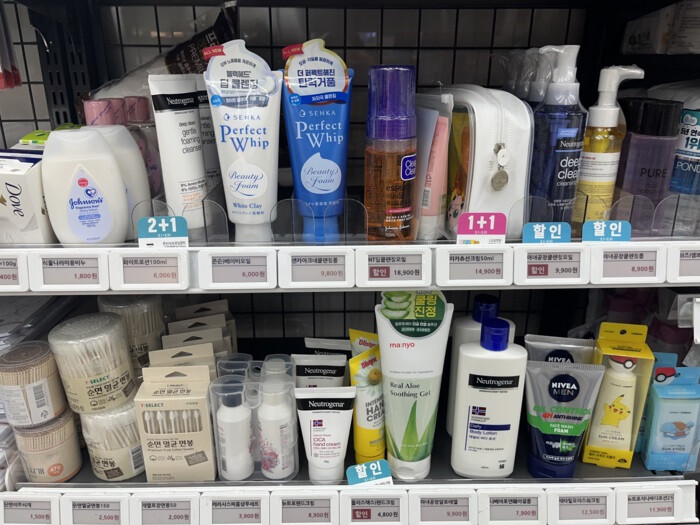
Seoul, South Korea – Convenience stores are diving into the affordable beauty market, offering a new challenge to the dominance of discount retailers like Daiso. With a focus on small-sized, budget-friendly products, these convenience stores are targeting consumers seeking quality beauty items at competitive prices.

GS25, one of South Korea's largest convenience store chains, recently launched a line of affordable beauty products, including sunscreens, serums, and cleansers. Each product is individually packaged in small, 2ml units and sold in sets of six for just 3,000 won ($2.25). "We aim to establish ourselves as a practical and accessible beauty platform by offering a wide range of affordable beauty products," said Ryu Ju-hee, a product planner at GS25.

CU, another major convenience store chain, has also joined the fray with its own line of affordable beauty products, which were launched in September. These products, including collagen masks, vitamin C serums, and moisturizing creams, are also priced at 3,000 won per set.

The move by convenience stores is largely attributed to the success of Daiso's beauty business. Since its foray into the beauty market in 2021, Daiso has seen its beauty sales skyrocket, with a growth rate of 223% in the first half of 2024 alone. The retailer's strategy of partnering with smaller online-based suppliers to offer affordable products has proven highly successful.

The growing popularity of affordable beauty products is fueled by several factors, including the rising cost of living, the influence of social media, and the changing preferences of younger consumers. Social media platforms like YouTube and TikTok have played a significant role in popularizing certain beauty products and trends.

While Olive Young remains the dominant player in the health and beauty retail market, the entry of convenience stores and discount retailers like Daiso has intensified competition. Other players like Musinsa and Kurly have also launched their own beauty services, leveraging the popularity of K-pop idols as brand ambassadors.

"Social media has a huge impact on what beauty products become popular," said an industry insider. "When a certain product or beauty routine goes viral on platforms like YouTube or TikTok, it can create a huge demand."

As the competition in the beauty market heats up, consumers are likely to benefit from a wider range of affordable and high-quality products.

[Copyright (c) Global Economic Times. All Rights Reserved.]

  • #globaleconomictimes
  • #koyongchul
  • #cherrylee
  • #seoulkorea
  • #periodicoeconomico
  • #글로벌이코노믹타임즈
  • #GET
  • #GETtv
  • #liderdel
Hwang Sujin Reporter

Popular articles

  • From Court to Content: French Tennis Star Océane Dodin Trades Racquet for OnlyFans, Eyes $5M in a Year

  • Kimchi's Day Celebrated with a Glimpse into its Future

  • UNIQLO's Collaboration Strategy: Designer Fashion Meets Mass Appeal

I like it
Share
  • Facebook
  • X
  • Kakaotalk
  • LINE
  • BAND
  • NAVER
  • https://www.globaleconomictimes.kr/article/1065591486748891 Copy URL copied.
Comments >

Comments 0

Weekly Hot Issue

  • 'AI' Dominates 2025 Book Titles in South Korea
  • End-of-Year Concert Extravaganza: Jo Sumi, Geum Nan-sae, and Danny Koo Headline Diverse Lineup
  • R.E.D. Sectors Poised for Growth in 2026, the Year of the 'Red Horse,' Driven by AI Investment Boom
  • South Korea Launches $115 Million Export Voucher Program to Boost SME Global Reach
  • Extension Granted for '2026 Honors for SME Contributors' Application
  • 44% of Recent Construction Projects Report Deficits, Industry Survey Finds

Most Viewed

1
Choi Bun-do, Chairman of PTV Group, Assumes Presidency of the Korean Chamber of Commerce and Industry in South Central Vietnam
2
From Court to Content: French Tennis Star Océane Dodin Trades Racquet for OnlyFans, Eyes $5M in a Year
3
Lee Dismisses Vice Minister Amid Allegations of Misconduct and Vetting Gaps
4
NVIDIA Lobby Succeeds? U.S. Bill Expected to Drop AI Chip Export Restrictions
5
US Layoffs Surge: Over 1.17 Million Job Cuts Announced in First 11 Months of 2025
광고문의
임시1
임시3
임시2

Hot Issue

South Korean AI Models Flunk College Entrance Math Exams, Lagging Far Behind Global Leaders

KRX Temporarily Slashes Stock Trading Fees by 20-40% to Counter ATS Rival

Israel Condemns Australia After Sydney Shooting, Citing 'Fueling' of Anti-Semitism

Lotte Mart Launches Major Imported Fruit Discount Event Amid High Prices

Let’s recycle the old blankets in Jeju Island’s closet instead of incinerating them.

Global Economic Times
korocamia@naver.com
CEO : LEE YEON-SIL
Publisher : KO YONG-CHUL
Registration number : Seoul, A55681
Registration Date : 2024-10-24
Youth Protection Manager: KO YONG-CHUL
Singapore Headquarters
5A Woodlands Road #11-34 The Tennery. S'677728
Korean Branch
Phone : +82(0)10 4724 5264
#304, 6 Nonhyeon-ro 111-gil, Gangnam-gu, Seoul
Copyright © Global Economic Times All Rights Reserved
  • 에이펙2025
  • APEC2025가이드북TV
  • 독도는우리땅
Search
Category
  • All articles
  • Synthesis
  • World
  • Business
  • Industry
  • ICT
  • Distribution Economy
  • Well+Being
  • Travel
  • Eco-News
  • Education
  • Korean Wave News
  • Opinion
  • Arts&Culture
  • Sports
  • People & Life
  • Column 
    • 전체
    • Cho Kijo Column
    • Lee Yeon-sil Column
    • Ko Yong-chul Column
    • Cherry Garden Story
  • Photo News
  • New Book Guide
  • Multicultural News
  • Jobs & Workers