![[등록] 2026-09-01 15:48:31](/support/_updata/banner2/tl181982910_6749.png)


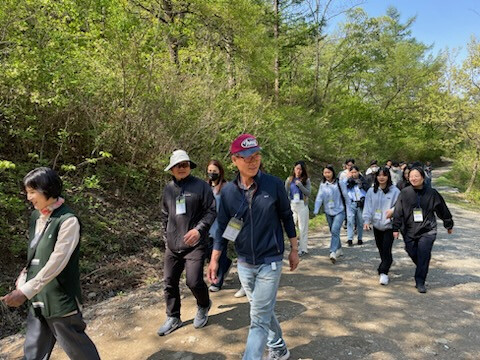
YESAN, SOUTH KOREA – In a proactive effort to address the often-overlooked mental well-being of its frontline officers, the Chungcheongnam-do Self-Governing Police Committee orchestrated a 'Forest Healing Camp' at the serene National Yesan Healing Forest on May 25th. This initiative underscores a growing recognition of the psychological toll that law enforcement duties can exact, particularly on those serving within community-based policing systems.
The burgeoning field of forest therapy, also known as shinrin-yoku (forest bathing) in Japan, posits that immersion in natural environments can yield significant benefits for both physical and mental health. Research suggests that spending time among trees can lower cortisol levels (a key stress hormone), reduce blood pressure, improve concentration, and bolster the immune system. Beyond these physiological effects, the tranquility of nature provides a conducive setting for emotional processing and reflection, crucial for individuals exposed to potentially traumatic experiences in their line of work.
The Chungcheongnam-do Self-Governing Police Committee's program was meticulously designed to leverage these therapeutic benefits. The inaugural session welcomed 27 dedicated police officers tasked with maintaining public safety within their local jurisdictions. The committee has committed to extending this opportunity to approximately 100 officers through a total of four camps scheduled by the latter half of the year, signaling a sustained investment in the welfare of their personnel.
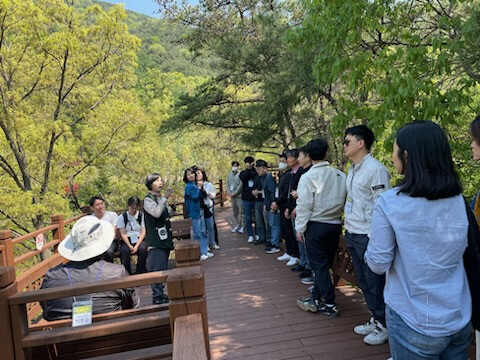
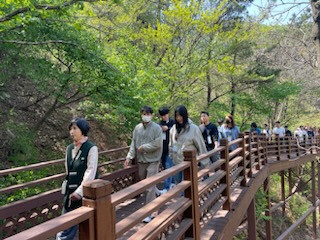
Participants engaged in a diverse array of activities guided by certified forest healing instructors. These included leisurely walks along verdant forest trails, encouraging mindful movement and sensory engagement with the natural surroundings. Interactive forest healing recreation sessions fostered a sense of camaraderie and lightheartedness, providing a respite from the often-serious nature of their profession. The gentle rituals of flower tea therapy offered a moment for quiet contemplation and sensory appreciation, while the resonant vibrations of singing bowl healing meditation aimed to induce a state of deep relaxation and inner peace.
Kim Young-bae, the Head of the Secretariat for the Chungcheongnam-do Self-Governing Police Committee, articulated the rationale behind the initiative with poignant clarity. "Self-governing police officers diligently safeguard the safety of our residents in their local communities," he stated. "However, the demanding nature of their work often leaves them with insufficient time to attend to their own mental well-being. We sincerely hope that this Forest Healing Camp will provide a valuable opportunity for them to temporarily step away from their duties, take a deep breath in the embrace of nature, and rejuvenate their health and spirit."
The implementation of self-governing police systems in South Korea represents a move towards localized law enforcement, empowering communities to have greater input into their policing needs and priorities. While this model aims to enhance responsiveness and build stronger relationships between officers and the public, it can also place unique pressures on the individuals serving in these roles. They are often deeply embedded in the communities they serve, potentially leading to a heightened sense of responsibility and exposure to local challenges.
Recognizing these potential stressors, initiatives like the Forest Healing Camp are crucial for fostering resilience and preventing burnout among self-governing police officers. By providing access to evidence-based well-being programs, the Chungcheongnam-do Self-Governing Police Committee is not only supporting the individual health of its officers but also investing in the long-term effectiveness and sustainability of its community-focused policing model. The hope is that these officers, refreshed and rejuvenated, will be better equipped to serve and protect the residents of Chungcheongnam-do with continued dedication and empathy. This initiative serves as a potential model for other self-governing police jurisdictions across South Korea and beyond, highlighting the vital role of holistic well-being in maintaining a healthy and effective law enforcement workforce.
[Copyright (c) Global Economic Times. All Rights Reserved.]