SEOUL, South Korea — Rising dissatisfaction among Seoul residents over repeated weekend traffic restrictions caused by downtown marathons has prompted the city government to push for stricter regulatory oversight.
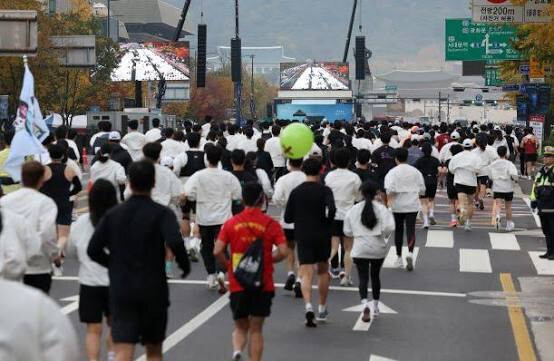
The backlash gained renewed attention following recent footage from a major race held on November 15 near Jonggak Station in central Seoul. The event, which drew approximately 30,000 runners, forced widespread road closures and required 248 bus routes to detour, leading to significant gridlock.
During the event, frustrated motorists and pedestrians clashed with traffic officers on duty. One driver, forced to take a lengthy detour just steps away from their destination, shouted at an officer directing traffic, questioning the relentless schedule of weekend races. The officer responded calmly, acknowledging the inconvenience and apologizing on behalf of the city while asking for cooperation. Pedestrians also voiced anger over blocked crosswalks even when traffic signals were green, with one individual attempting to dart through the stream of runners before being stopped by police.
The surge in running popularity has led to a sharp increase in urban races. According to city data, 178 marathon events were registered in Seoul this year alone, with 37 requiring major road closures as of October.
To mitigate traffic congestion, noise, and waste issues, the Seoul Metropolitan Government announced plans to form a joint "Downtown Marathon Management Council" alongside the Seoul Metropolitan Police Agency. Through this body, officials intend to rigorously review race schedules, routes, and detour plans before events are finalized. The city has also urged event organizers to refrain from recruiting participants for next year's races until safety and traffic plans are officially reviewed.
Earlier this year, Seoul introduced marathon guidelines to push race start times earlier, cap participant numbers by venue, and reduce city-sponsored marathons from 15 to 7. However, municipal officials noted limitations in enforcement, as marathons do not currently require local government approval, and many are backed by central government ministries.
Relief may soon come through new legislation. A revision to the National Sports Promotion Act, passed by the National Assembly in October and set to take effect on April 21 next year, will mandate that organizers of sporting events with over 1,000 participants submit safety management plans to local government heads in advance, granting municipalities the authority to demand revisions.
[Copyright (c) Global Economic Times. All Rights Reserved.]