![[등록] 2026-09-01 15:48:31](/support/_updata/banner2/tl181982910_6749.png)


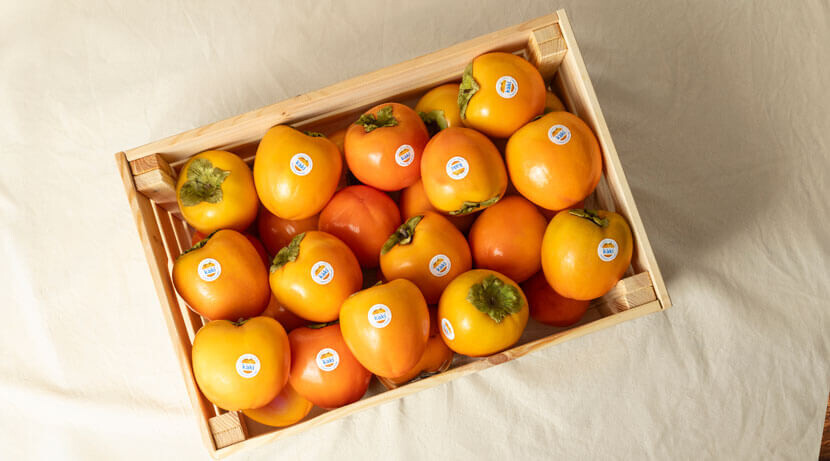
Technical staff from the National Service for Quality and Plant Health and Seed Management (Senave) in the Misiones region of Paraguay have announced that approximately 33.8 tons of persimmons produced in the region have been exported to the European market after undergoing strict phytosanitary inspections.
The exported persimmons (caqui) are products of 'Frutas del Paraguay SA,' located in Cerro Costa, Santa María district. According to Senave technicians, between 5 and 10 tons of persimmons were shipped to Spain in five separate shipments last week.
Information from the company indicates that the total export volume for this year is expected to reach between 400 and 600 tons, suggesting a gradual growth of Paraguayan persimmons in the European market.
The origin inspection of the exported persimmons is conducted thoroughly to ensure compliance with the phytosanitary requirements of the importing countries. This contributes to ensuring the quality and safety of Paraguayan agricultural products and enhancing their credibility in the international market.
Meanwhile, 'Frutas del Paraguay SA' began its first persimmon exports in 2023, exporting 130 tons in 2023 and 200 tons in 2024. These figures demonstrate the steady expansion of Paraguayan persimmons' entry into the European market.
Current Status and Prospects of the Paraguayan Persimmon Industry
Paraguay has favorable conditions for cultivating various fruits due to its mild climate and fertile soil, and persimmons have recently emerged as a promising new export item. In particular, the Misiones region provides a suitable environment for persimmon cultivation, and the combination of local farmers' active cultivation efforts and government support policies is leading to a steady increase in persimmon production.
The Paraguayan government is promoting an export-oriented agricultural development policy to strengthen agricultural competitiveness and actively supports the entry of high-value-added crops such as persimmons into overseas markets. Relevant agencies like Senave are promoting the development of the Paraguayan persimmon industry through various support measures, including farmer education and technical assistance, establishment of quality management systems, and provision of overseas market information.
The European market is a competitive one that requires meeting high quality standards and diverse consumer demands. However, Paraguayan persimmons are expected to gradually expand their market share based on thorough quality control and competitive pricing. In particular, Spain is one of the countries with high persimmon consumption in Europe, making it a likely major export destination for Paraguayan persimmons.
In the future, Paraguay is expected to seek to expand its exports not only to the European market but also to North American and Asian markets through continuous quality improvement and market diversification. This is expected to contribute even more significantly to the national economic growth of the Paraguayan persimmon industry.
Benefits and Uses of Persimmons
Persimmons are fruits with a sweet taste and soft texture, rich in various nutrients that are beneficial for health. In particular, they are abundant in vitamins A and C, potassium, and dietary fiber, which can help strengthen the immune system, maintain skin health, regulate blood pressure, and improve digestive function.
In addition to being eaten fresh, persimmons can be used in various forms such as dried persimmons (gotgam), persimmon jam, persimmon vinegar, and persimmon leaf tea. Dried persimmons are characterized by their chewy texture and sweetness and are popular as a winter snack. Persimmon jam is good to eat with bread or yogurt, and persimmon vinegar is used in salad dressings or beverages. Persimmon leaf tea is one of the enjoyable teas with a subtle aroma and taste.
It is hoped that the high-quality persimmons produced in Paraguay will receive a positive response in the European market and further reach dining tables worldwide.
[Copyright (c) Global Economic Times. All Rights Reserved.]