
![[등록] 2026-09-01 15:48:31](/support/_updata/banner2/tl181982910_6749.png)


[GLOBAL ECONOMIC TIMES] There are respiratory infectious diseases that every expectant mother should be aware of. It is ‘whooping cough’. Whooping cough reduces the quality of life as severe coughing persists for a long period of time, and newborns and infants need to be careful because it can cause severe complications or even death. Learn about whooping cough, which is mainly prevalent in summer and fall.
According to data from the Korea Disease Control and Prevention Agency, whooping cough has been prevalent not only in Korea but also around the world since April of this year. As of September 2024, the cumulative number of patients in Korea in 2024 is 22,562, a significant increase compared to the total number of patients in 2023 (292).
Professor Park Seong-hee of the Department of Infectious Diseases at Soonchunhyang University Bucheon Hospital said, “The Korea Disease Control and Prevention Agency attributed the rapid increase to a combination of factors, including the fact that there was no whooping cough epidemic during the COVID-19 pandemic, decreased vaccination rates in many countries, increased overseas exchanges, and development of PCR testing methods. “I’m watching,” he explained.
Pertussis is a second-grade infectious disease caused by infection with Bordetella pertussis, and children and adolescents account for approximately 90% of patients. It is called ‘whooping cough’, meaning ‘a cough that lasts for 100 days’.
In reality, it progresses over 6 to 8 weeks, and if proper treatment is not provided, symptoms may persist for 3 to 4 months or more. It is a disease spread by droplets, and is transmitted through direct contact or respiratory transmission through coughing and sneezing, and can have an incubation period of 4 to 21 days.
Symptoms of whooping cough appear in three major stages: catarrhal stage, mild stage, and convalescent stage. The catarrhal phase is similar to a common cold, with upper respiratory infection symptoms such as runny nose, conjunctivitis, watery eyes, mild cough, and mild fever appearing for 1 to 2 weeks. This is the period when bacterial growth is most active and infectiousness is high.
The light phase is characterized by a short paroxysmal cough and a cough that makes a ‘whoop’ sound when you take a long breath at the end, and is also called the ‘paroxysmal phase.’ If the cough is severe, symptoms such as bloodshot face or eyes, vomiting after coughing, sticky phlegm, cyanosis, and apnea may appear. This period lasts 2 to 4 weeks or longer. During the recovery period of 1 to 2 weeks, the number and severity of paroxysmal coughs gradually improve.
To diagnose whooping cough, characteristic coughing patterns and history of contact with pertussis patients are considered, and bacterial culture and genetic tests are performed on samples such as nasopharyngeal swabs, nasopharyngeal aspirates, and sputum.
Treatment uses antibiotics to relieve clinical symptoms and suppress secondary spread. It is recommended that antibiotic treatment be started within 3 weeks of symptom onset, which is a time when transmission is high. Infants under 3 months of age or children with cardiopulmonary or neurological diseases are more likely to develop secondary problems due to complications, so they must be admitted to the hospital. The progress must be observed.
You must be isolated for up to 5 days after starting antibiotic treatment, and if you do not receive treatment, you must be isolated for at least 3 weeks until the cough stops. In addition, pertussis is highly contagious, with a transmission rate of 70-100% among contacts within households without immunity, so prophylactic antibiotics may be considered for close contacts of pertussis patients.
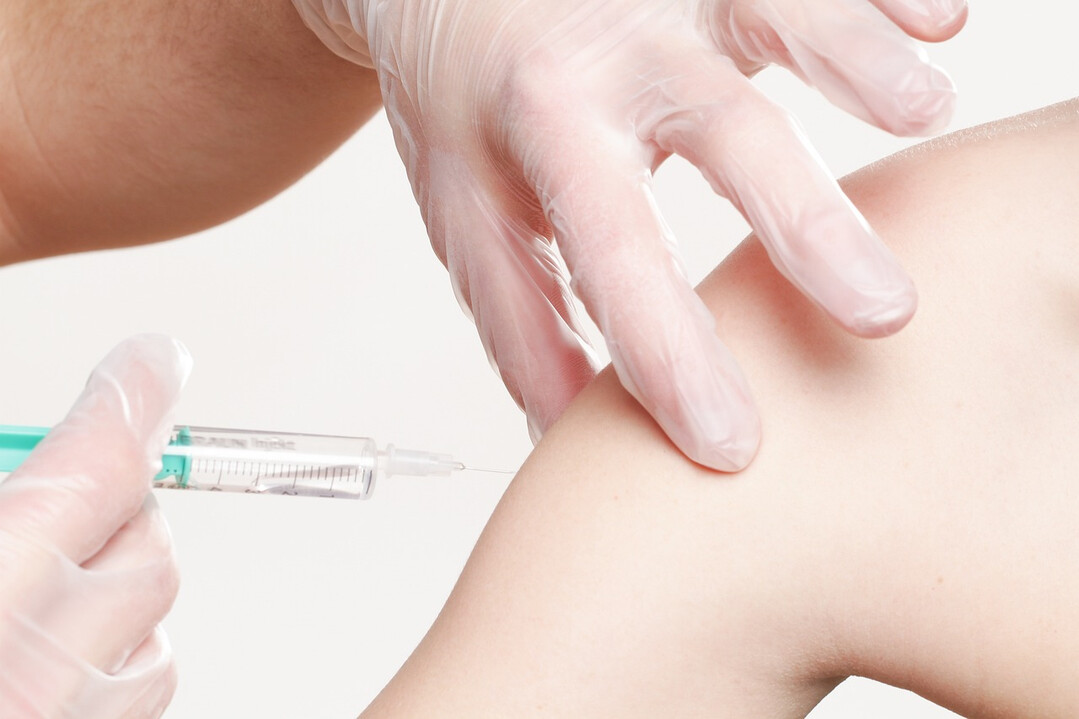
In Korea, all infants are administered the DTaP vaccine at ages 2, 4, 6, 15 to 18 months, and 4 to 6 years of age, followed by an additional dose of Tdap vaccine at 11 to 12 years of age. Adults who have completed standard vaccinations are recommended to receive Td or Tdap every 10 years.
For pregnant women, Tdap vaccination is recommended between 27 and 36 weeks of pregnancy to transfer immunity to the fetus, and vaccination is recommended during each pregnancy. In addition, family members, medical personnel, and infant helpers who are expected to have close contact with infants must be vaccinated two weeks before contact.
Professor Park Seong-hee said, “Whooping cough mainly occurs in children and adolescents, and is so fatal that it is one of the top 10 causes of death in infants and young children. In particular, in the case of neonatal infection, the fatality rate is as high as 4% even with treatment. Therefore, appropriate vaccination and thorough management are important,” he said.
He continued, “Even if you have been vaccinated, it is important to prevent further spread by practicing hand washing, coughing etiquette, and wearing a mask in your daily life. “If you show symptoms of suspected whooping cough, you should visit a medical institution and receive antibiotic treatment to alleviate symptoms and prevent further spread. You should minimize spread to people around you by wearing a mask, isolating for at least 5 days, and disinfecting contaminated items,” he said.
[Copyright (c) Global Economic Times. All Rights Reserved.]














