![[등록] 2026-09-01 15:48:31](/support/_updata/banner2/tl181982910_6749.png)


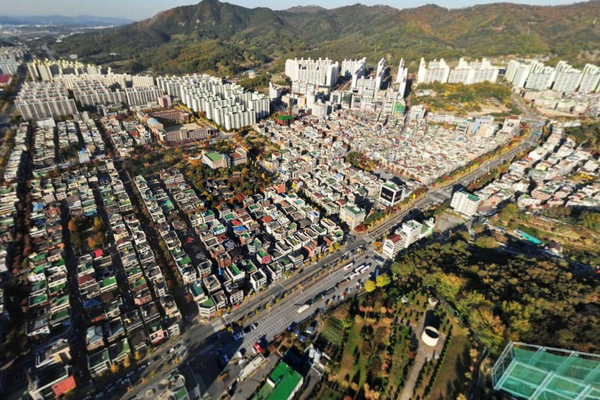
Daejeon Metropolitan City has officially launched a comprehensive ‘Renovation Plan for Aged Housing Development Districts,’ signaling a significant step towards revitalizing its urban landscape and bolstering its overall competitiveness. This ambitious undertaking aims to address the growing challenges posed by the city’s aging planned communities, many of which were developed rapidly several decades ago to meet urgent housing demands. The initiative represents a long-term commitment to urban restructuring and sustainable development, with the overarching goals of enhancing residential environments and stimulating the local economy across Daejeon.
Recognizing the pressing need for urban renewal, particularly in light of the central government’s ‘First-Generation New Town Renovation Policy,’ Daejeon City has been proactively laying the groundwork for this transformative project since 2022. A crucial component of this preparatory phase has been an in-depth research project focused on devising systematic management strategies for 17 long-term housing development districts that have now surpassed the 30-year mark. These districts, largely established between the late 1980s and the mid-1990s under public sector leadership, now grapple with a range of issues including inadequate infrastructure such as fire lanes, a high density of outdated buildings, and chronic parking shortages, leading to persistent concerns about urban safety and residents’ quality of life. The evolving socio-economic landscape has further underscored the imperative for comprehensive redevelopment.
The initial phase of this grand plan involves a strategic revision of the District Unit Plan Implementation Guidelines. The core objectives of this revision include: incentivizing the provision of on-site parking within single-family housing lots through conditional zoning relaxations on permitted uses and building scale; fostering an environment conducive to the growth of technology-driven startups by adjusting land-use regulations; establishing clear pathways for accommodating redevelopment projects initiated under other relevant legislation; and amending guidelines in commercial zones to attract facilities that promote urban vibrancy and economic activity. Daejeon City is committed to finalizing and enacting these revised implementation guidelines by 2025. This crucial step will lay a robust foundation for the aging planned cities to regain their vitality and enhance their overall urban competitiveness in the long run.
This proactive approach by Daejeon is closely aligned with the ‘Special Act on the Renovation and Support of Aged Planned Cities,’ which came into effect in April 2024, and the overarching policy framework established by the Ministry of Land, Infrastructure and Transport in November of the same year. Complementing the revision of district-level guidelines, Daejeon City is simultaneously advancing the formulation of the ‘Daejeon Basic Plan for Renovation of Aged Planned Cities,’ specifically targeting four key districts: Dunsan, Songchon (encompassing Beop-dong and Jungri), and potentially others identified through the ongoing research.
Dunsan and Songchon, as prime examples of early planned urban developments in Daejeon, were characterized by rapid, high-density residential construction under public auspices. These areas now face significant structural limitations in adapting to an aging housing stock, shifting demographic trends, and the ongoing transformation of the industrial paradigm. Consequently, the ‘Daejeon Basic Plan’ prioritizes addressing these deep-seated urban challenges and facilitating broader metropolitan urban restructuring.
The city aims to complete the basic plans for the renovation of aged planned cities in the Dunsan and Songchon districts by the latter half of 2025. These plans will then undergo public review and scrutiny before being submitted for final approval by the Ministry of Land, Infrastructure and Transport. Furthermore, Daejeon intends to spearhead the redevelopment effort by selecting pilot project districts within the designated special renovation planned areas through a competitive public contest. The selection process will involve a comprehensive evaluation of factors such as resident engagement, the urgency of renovation needs, and the strategic alignment with broader urban planning objectives, with the goal of establishing successful and replicable redevelopment models.
By the first half of 2026, Daejeon City anticipates finalizing both the revised implementation guidelines applicable to all 17 housing development districts older than 30 years and the overarching ‘Basic Plan for Renovation of Aged Planned Cities.’ Achieving this milestone would position Daejeon as the first city nationwide to establish a comprehensive and systematic framework for the full-scale renewal of its aging housing development districts, setting a potential benchmark for other cities facing similar challenges.
Choi Young-joon, Director of Daejeon Metropolitan City’s Housing and Urban Development Bureau, emphasized the transformative nature of this initiative, stating, “The renovation of aged housing development districts is a holistic urban re-creation project that will tangibly improve the quality of life for our citizens and significantly enhance the overall competitiveness of our city.” He further affirmed the city’s commitment to a collaborative and transparent process, adding, “We will strive to minimize conflicts through close communication and consensus-building with our residents, ensuring that Daejeon evolves into a sustainable and future-oriented metropolis.”
[Copyright (c) Global Economic Times. All Rights Reserved.]