

May 2025 is witnessing a clear resurgence of COVID-19 across Asia. Hong Kong and Singapore, in particular, are experiencing a rapid increase in confirmed cases and hospitalizations, putting their health authorities on high alert. Hong Kong's infection rate has reached a one-year high, while Singapore has reported a 28% weekly increase in cases and a 30% rise in hospitalizations.
Health authorities in both countries attribute the spread primarily to waning immunity and are strongly recommending additional vaccinations for high-risk groups. Similar upward trends are also being observed in China and Thailand, raising concerns about a potential wider regional spread.
Surge in COVID-19 Infections: Authorities Urge Heightened Vigilance and Vaccination
Hong Kong's Centre for Health Protection announced that the proportion of respiratory disease cases testing positive for COVID-19 had surged from 1.7% in mid-March to 11.4% in early May, marking a one-year high. In the week ending May 3rd, 31 severe cases were reported, with the majority of patients being over 65 years old and having underlying health conditions. Tragically, deaths were also reported. Dr. Chuang Shuk-kwan, head of the Communicable Disease Branch of the Centre for Health Protection, expressed concern over the "notable increase in severe cases, especially among the elderly."
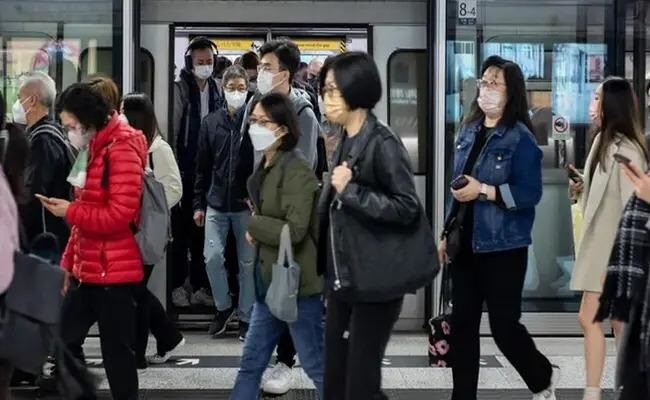
Singapore's Ministry of Health, in a COVID-19 update issued after approximately a year, reported a sharp increase in weekly cases from 11,000 in the first week of May to 14,200, with hospitalizations also rising from 181 to 250. While reassuring the public that there is no evidence of more transmissible or severe variants, the Ministry emphasized that "while most patients recover uneventfully at home, the elderly and immunocompromised remain at higher risk." Both Hong Kong and Singapore are strongly advising eligible residents, including the elderly, to receive additional vaccine doses and to wear masks in crowded places.
Regional Spread Trends and Public Health Responses
The current surge is not limited to Hong Kong and Singapore. In China, the positivity rate for COVID-19 tests has more than doubled in the past five weeks, nearing levels seen during the summer 2023 wave. Thailand has also reported an increase in confirmed cases following the Songkran festival in April, which involved large public gatherings. Health authorities across the region are closely monitoring the situation, with some hospitals preparing for a potential influx of patients.
Experts attribute the primary cause of this resurgence to waning immunity among individuals who have not received booster shots in recent months. The fact that this increase is occurring during the summer months, when respiratory virus activity typically declines, is also a notable characteristic. Professor David Hui Shu-cheong, a respiratory medicine expert at the Chinese University of Hong Kong, noted that "this pattern shows that COVID-19 is still unpredictable and can spread even outside the traditional flu season." The rise in cases is also impacting daily life, with Hong Kong pop star Eason Chan postponing his concerts after testing positive for COVID-19.
The Logical Indian's Perspective
India's independent media outlet, The Logical Indian, commented that the resurgence of COVID-19 across Asia serves as a stark reminder that the pandemic is not yet over. They emphasized that "community vigilance, scientific transparency, and solidarity with vulnerable populations are essential in navigating this new wave."
They also urged authorities to prioritize clear communication, ensure equitable access to vaccines, and provide robust support for high-risk groups. The Logical Indian added, "As members of society, we must uphold a sense of solidarity and responsibility, ensuring that no one is left behind in the fight against COVID-19."
The recent COVID-19 resurgence in Asia underscores the need to remain vigilant despite the global shift towards viewing the virus as endemic. Even in countries with high vaccination rates, the possibility of waning immunity and the emergence of new variants remains, posing a constant risk of renewed outbreaks.
The cases in Hong Kong and Singapore particularly highlight the importance of continuous protection and proactive measures for vulnerable populations, such as the elderly and those with underlying conditions. Along with actively recommending booster shots, it is crucial to establish systems that ensure their safe access to healthcare services. Furthermore, the significance of adhering to basic preventive measures like mask-wearing needs to be reiterated, encouraging voluntary public participation.
Moreover, governments in each country must establish and implement transparent information disclosure and science-based prevention policies. Strengthening surveillance systems for variant viruses, their transmissibility, and severity, and promptly communicating the results to the public, is essential to alleviate unnecessary anxiety and enable effective responses.
This regional resurgence in Asia is not merely a localized issue but also carries significant implications for global health security. Close information sharing and cooperation between countries are vital to prevent the spread of the virus and to build joint research and response systems for new variants.
In conclusion, the COVID-19 resurgence in Asia serves as a wake-up call, reminding us that sustained vigilance and effort are necessary before we can truly return to pre-pandemic normalcy. Through adherence to science-based preventive measures, protection of vulnerable populations, transparent information disclosure, and international cooperation, we can navigate this crisis effectively.
[Copyright (c) Global Economic Times. All Rights Reserved.]