![[등록] 2026-09-01 15:48:31](/support/_updata/banner2/tl181982910_6749.png)


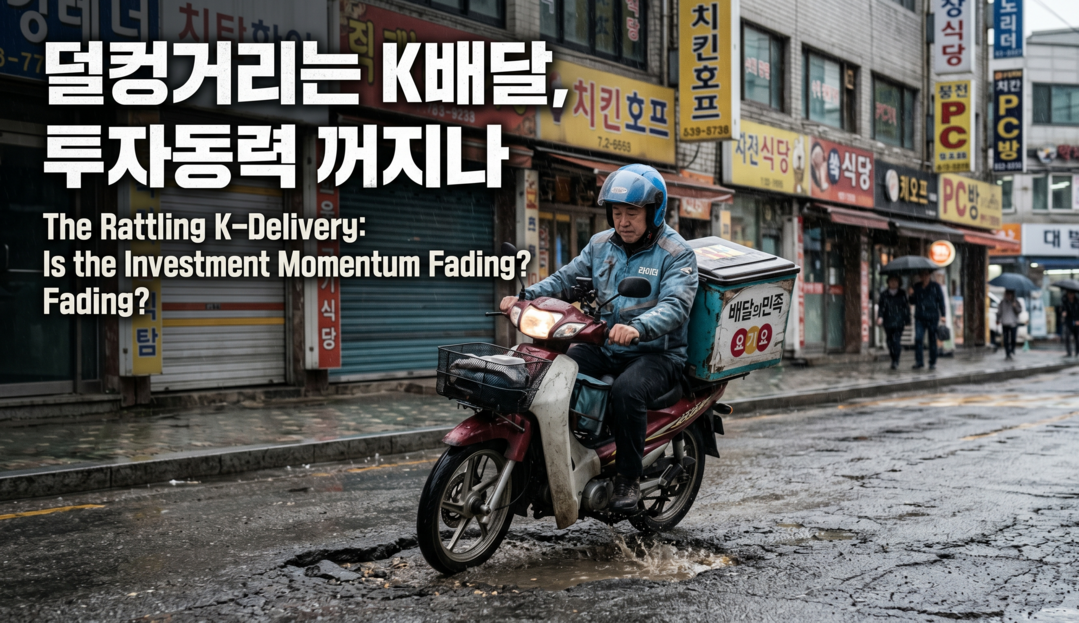
(C) Gemini AI Image
Uber Deepens Control Over DH: A Shift in the K-Delivery Landscape
The South Korean food delivery platform market, traditionally dominated by homegrown technology, is facing an unprecedented structural shift as global capital tightens its grip. Uber Technologies has significantly expanded its influence over Delivery Hero (DH), the German-based parent company of South Korea’s leading delivery app, Woowa Brothers (Baedal Minjeok, commonly known as Baemin). This aggressive expansion comes amid persistent rumors surrounding the sale of Baemin and escalating regulatory pressures from the South Korean government.
According to an official regulatory filing by DH on May 27 (local time), Uber’s combined voting rights and financial instrument-based rights in DH have surged to 36.83%, up from the previous 25.1%. Specifically, Uber increased its direct share-based voting rights from 19.5% to 24.99%, while its voting rights via financial instruments expanded from 5.6% to 11.84%.
Since acquiring an initial 7% stake in DH last April, Uber has steadily consolidated its position as the largest shareholder. International financial outlets, including Reuters and the Financial Times, reported that Uber’s aggressive acquisition has diluted the stake of Aspex, another major institutional investor, from 14.55% to 7.56%. The Financial Times further indicated that Uber is continuously evaluating whether to launch a formal public tender offer for a full takeover of DH.
Looming Baemin Sale: Global Capital Influx and Capital Flight Concerns
Industry analysts note that Uber has effectively secured a position to exert substantial indirect control over Baemin. The corporate shake-up coincides with the impending departure of DH's co-founder and CEO, Niklas Östberg, who is scheduled to step down in March next year.
This shifting power dynamic is expected to heavily influence the ongoing sale of Baemin. DH has appointed JPMorgan as the lead manager for the sale and has already dispatched teaser letters to prominent domestic and foreign conglomerates, as well as private equity funds. Rumored recipients include an Uber-Naver consortium, American delivery giant DoorDash, and Chinese tech titans Alibaba and Meituan. Once a preferred bidder is selected, the divestment of South Korea’s top delivery platform—which has maintained a commanding market-leading position since 2010—will accelerate.
The potential acquisition of Baemin by massive American or Chinese capital has sparked intense anxieties regarding "national wealth drain." Under DH’s ownership, Baemin has faced severe domestic criticism for siphoning off more than half of its operating profits as dividends to its European parent rather than reinvesting in the local market.
Experts warn that if another foreign tech giant or private equity fund takes ownership, this aggressive extraction of domestic profits will become deeply entrenched, systematically starving the local delivery ecosystem of vital capital.
Regulatory Squeeze Threats Innovation and Reinvestment
Compounding the foreign ownership crisis is the severe regulatory pressure emanating from Seoul. The Fair Trade Commission (FTC) is currently conducting intensive investigations into antitrust practices by the country's top players, Baemin and Coupang Eats. The probe focuses on allegations of "most-favored-nation" (MFN) enforcement—which prevents merchants from offering lower prices on competing platforms—and Coupang's alleged product bundling practices.
The FTC plans to officially announce its rulings and punitive measures following the upcoming local elections. Industry insiders anticipate that the combined fines could reach hundreds of billions of won.
While targeted at protecting consumers and merchants, such massive financial penalties are raising concerns about the long-term viability of the platforms. Modern delivery networks are not mere digital brokerages; they require continuous, high-volume capital expenditure in AI-driven route optimization, localized advertising algorithms, and infrastructure that supports hundreds of thousands of gig-economy riders.
An industry official, speaking on the condition of anonymity, expressed grave concerns over the dual challenges:
"A fine of several hundred billion won is an immensely debilitating financial blow for both Baemin and Coupang Eats. If these penalties are handed down alongside forced commission cuts, the financial capacity for domestic technological innovation and ecosystem expansion will dry up almost instantly."
As global tech giants prepare to battle for ownership of South Korea's delivery infrastructure, the combination of aggressive foreign capital extraction and stringent domestic regulatory penalties threatens to paralyze the growth engine of the nation's digital logistics sector.
[Copyright (c) Global Economic Times. All Rights Reserved.]