


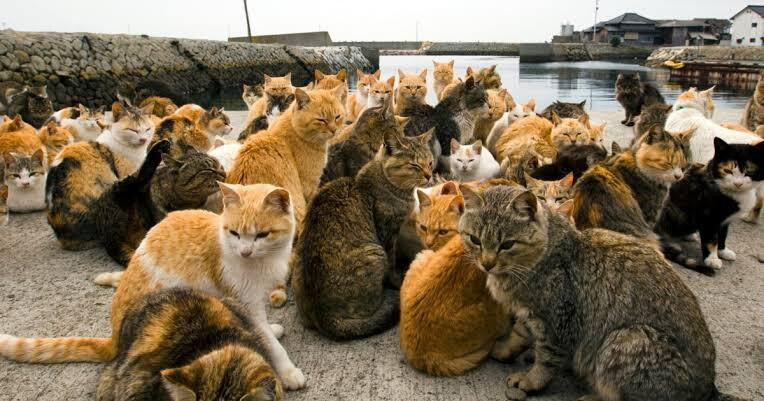
SEOUL / MILAN — Long regarded as independent, low-maintenance companions, domestic cats have quietly staged an economic takeover. Across North America, Europe, and Asia, surging adoption rates and premium spending on feline nutrition, smart gadgets, and longevity care have pushed the global cat market past the €100 billion milestone—a phenomenon industry analysts now dub "Catnomics."
According to market research from PW Consulting and data tracked by the Schesir Respect My Nature Index, felines now account for 38.5% of total global pet industry expenditures. Rather than merely trailing behind the dog sector, the cat economy is outpacing it in both household penetration and value growth.
Europe’s Feline Majority
Across Europe, cats firmly hold the title of most popular companion animal. Figures from the June 2026 Facts & Figures report by the European Pet Food Industry Federation (FEDIAF) show that out of 306 million pets living across roughly 140 million to 149 million European households, 111 million are cats—outnumbering the region's 91 million dogs.
Strikingly, cats generate disproportionate financial returns for manufacturers. While dog food accounts for 58% of European pet food production volume compared to 41% for cats, feline products capture 50% of total market value, beating dog food's 46% share.
France and Germany lead the continent in feline population, with Italy close behind. According to the 2026 ASSALCO-Zoomark report, Italian cat adoptions climbed 4.7% between 2022 and 2025 to reach 11 million cats. Annual cat food spending in Italy now totals roughly €2.35 billion, growing 4.3% year-over-year and representing 56% of the combined dog-and-cat food market.
"The growth of Catnomics reflects a profound shift in how people bond with their cats," said Giorgio Montefusco, Marketing and Trade Marketing Director at Schesir. As owners increasingly view cats as full-fledged family members, demand has surged for specialized products tailored to feline physiology and behavior.
Gen Z and 'Cat Dads' Fuel the U.S. Boom
In the United States, demographic shifts are rewriting traditional stereotypes of pet ownership. Data from the American Pet Products Association (APPA) 2026 Cat Report reveals that 53 million U.S. households—roughly 39% of the nation—now own a cat, reflecting a 5% annual jump. Moreover, multi-cat households (those with three or more felines) have surged by 45% since 2018.
The biggest catalysts behind this expansion are younger generations and male owners:
Male Ownership: Men now represent 43% of all U.S. cat owners, giving rise to a prominent "cat dad" consumer demographic.
Youth Surge: Cat adoptions among Gen Z jumped 27% in a single year.
Premium Nutrition: According to APPA’s supplementary spending data, American cat owners spent an average of $337.53 on food alone in 2025—a 9% year-over-year increase—treating meals and treats as tools for health personalization rather than basic sustenance.
Asia’s 'Nekonomics' and the Silver Cat Market
In East Asia, dense urban apartments and solo living have made cats the preferred companion, generating massive economic ripple effects:
Japan: Known locally as "Nekonomics," Japan’s cat-related economy—spanning themed cafés, smart litter boxes, and merchandise—approached €17 billion (¥3 trillion) in 2026, according to estimates by Kansai University Professor Katsuhiro Miyamoto. Japan Pet Food Association surveys show 8.8 million pet cats nationwide versus 6.8 million dogs, with families spending an average of €10,300 (¥1.8 million) over a single cat’s lifetime.
China: Urban centers in China are now home to 72.9 million cats compared to 53.4 million dogs. Market value in China's feline sector is expanding at 5.2% annually, outstripping the dog market's 3.2% growth rate.
Hong Kong: As indoor cats live longer lives, spending is shifting toward geriatric care. Analysts point to a rapidly expanding "Silver Cat Economy" in Hong Kong, where owners are investing heavily in joint supplements, specialized senior diets, and preventative veterinary medicine to extend their pets' lifespans.
As urbanization continues and pet humanization deepens worldwide, industry observers expect Catnomics to remain one of the most resilient consumer sectors in the global economy.
[Copyright (c) Global Economic Times. All Rights Reserved.]