![[등록] 2026-09-01 15:48:31](/support/_updata/banner2/tl181982910_6749.png)


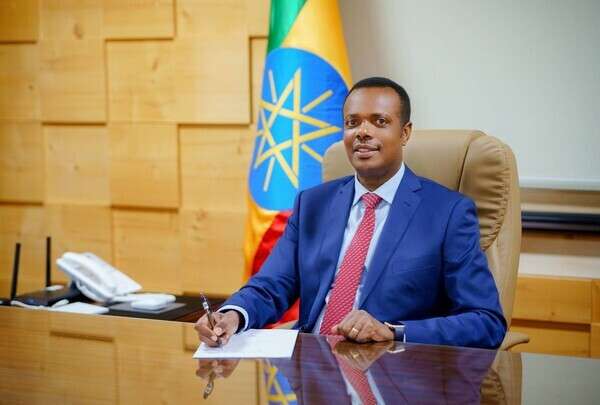
Dessie Dalkie Dukamo, Ethiopian Ambassador to Korea
Ethiopia and South Korea will hold elections on successive days this week. Ethiopia will hold a general national and regional election on June 2, and South Korea will have nationwide local elections on June 3. The two countries differ in geography, culture, and politics. Still, they are united by a more fundamental principle: the shared belief that citizens can create the future of their respective countries via democratic engagement.
Every vote matters. This reflects both the growing importance of democratic government worldwide and the deep historical bond between Ethiopia and Korea, rooted in the principles of sacrifice, solidarity, and mutual respect.
More than 70 years ago, during the Korean War, Ethiopia stood courageously beside the Korean people in their struggle for peace and sovereignty. The Kagnew Battalion won the respect of people around the world for its steadfast commitment, bravery, and discipline. The Ethiopian army's activities were not motivated by land or political power. They fought for principle because they believed that to attack one country was to attack all others.
The sacrifice made has forged a bond between the people of Ethiopia and Korea that will last for generations. Today, the relationship has evolved into a dynamic partnership across diplomacy, development cooperation, education, trade, and cultural exchange. But at its heart is a shared spirit of resilience and national communal duty.
South Korea’s remarkable turnaround is one of the most intriguing stories in the records of contemporary history. Korea has risen from the ashes of war and rebuilt itself through the endurance of its people, the inspiration of its leaders, the value of education, and a strong sense of national togetherness. Also important was the growth of its democratic system. Through endurance and civic action, the Korean people built democratic institutions and one of Asia's most vibrant democracies.
Local elections in Korea have become more than administrative affairs. They are typical of mature, civil, decentralized mechanisms of government. Citizens participate in building their own communities and holding their leaders accountable through democratic and peaceful ways. Korea’s democratic past has proved that democracy can’t be built in a day. It has become institutionalized through public confidence and the continued participation of the citizenry.
The upcoming national election will be another important chapter in Ethiopia's democratic history. The Ethiopian government and the National Election Board have repeatedly affirmed their commitment to holding free, fair, peaceful, and genuine elections. Electoral institutions have been reinforced, political participation has been promoted, and a healthy competition among political players has been encouraged. Both of these objectives have been fulfilled.
In fact, the stakes of this week’s elections reach far beyond the political calendar. They remind us that democracy is essentially about the people who live in it, their participation, their patience, and their wish for peace. The power of the ballot is at its strongest when united with tolerance, conversation, and respect for other points of view.
As the world becomes more interconnected, the simultaneous elections in Ethiopia and Korea highlight the significance of international cooperation. There is a shared aspiration for peace, prosperity, and human dignity across the continents of Africa and Asia. The case of Ethiopia and Korea is a particularly illustrative example of how a historical friendship can transform into a forward-looking alliance.
Korean organizations and enterprises continue to work with Ethiopia in education, rural development, industrialization, and technology transfer. Development ties could be strengthened, and Ethiopian students studying in institutions in Korea could be studied to boost capacity and accelerate the process of economic transformation. These interactions reinforce the close ties between the two peoples and foster a stronger mutual understanding.
This week, voters in Ethiopia and Korea will head to the polls. Still, they will also be part of a larger human desire: the pursuit of peace, dignity, accountable governance, and national progress.
Ethiopia and Korea have a long history of sorrow and tragedy. Today, they are also in their own company, with a democratic system and a hopeful attitude.
[Copyright (c) Global Economic Times. All Rights Reserved.]