![[등록] 2026-09-01 15:48:31](/support/_updata/banner2/tl181982910_6749.png)


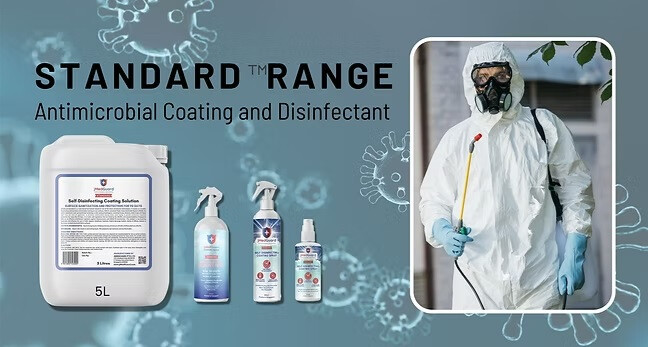
Singapore - Singapore has introduced a national standard for antimicrobial products to bolster public health and establish industrial regulations within the rapidly expanding disinfectant market.
Developed by Singapore Standards Council (SSC) through the Singapore Standardisation Programme, overseen by the Singapore Standards Development Organisation (CoRE-SDO) in collaboration with the Centre of Regulatory Excellence (Duke-NUS) and Enterprise Singapore (EnterpriseSG), the Singapore Standard 705 (SS 705) presents a science-based methodology for evaluating the efficacy and durability of antimicrobial, antifungal, and antiviral disinfectants and coatings intended for surface use. Notably, this marks the first instance of Singapore independently developing testing methods to assess the effectiveness of antimicrobial, antifungal, and antiviral products.
SS 705 will provide manufacturers with a reliable framework to validate the efficacy of their products and offer regulatory authorities a consistent benchmark for assessing and monitoring quality. Furthermore, consumers can gain assurance that these products will function effectively and safely in homes, workplaces, and the community. The global market for antimicrobial products is projected to reach US$65.7 billion by 2035.
SS 705 is applicable to disinfectants and coatings for non-porous materials, including plastic, metal, and ceramic surfaces, and encompasses test methodologies for microbial selection, culture preparation, and results analysis.
Dr. Lim Kai Yang, APAC R&D Application Manager at Corbion and leader of the working group that established the standard, stated, "Standardised test methods such as SS 705 are crucial in ensuring the reliability of antimicrobial coatings. With clear guidelines, manufacturers can effectively validate their product performance, including durability and stability, providing greater confidence for both businesses and consumers."
Consequently, manufacturers of surface disinfectants can now assure the performance claims of their products by adhering to SS 705. Industrial regulators can also utilize SS 705 to establish a fundamental level of test standardization for industrial benchmarking and regulatory navigation.
Professor John Lim from the Centre of Regulatory Excellence at Duke-NUS emphasized, "With the increasing use of antimicrobial coatings in public and healthcare spaces, a rigorous and standardised approach to assess their durability and efficacy is essential. SS 705 provides a clear and standardised method to evaluate how long antimicrobial coatings remain effective on treated surfaces. This will empower regulators, manufacturers, and consumers to make more informed choices to enhance public health protection."
SS 705 was developed by the Working Group on Antimicrobial Protection, comprising representatives from the Singapore government, local industry associations, testing and certification bodies, research institutions, and industry stakeholders.
Key Highlights of the Standard: SS 705 outlines specific test methods, procedures, and criteria for evaluating the efficacy and durability of surface disinfectants and coating products that exhibit antimicrobial, antifungal, and antiviral effects. It considers various factors, including microbial species, culture conditions, contact time, cleaning, and abrasion conditions, focusing on accurately assessing product performance in real-world usage scenarios.
Expected Impact: The establishment of SS 705 is expected to enhance the quality and reliability of antimicrobial products sold in Singapore. This will contribute to protecting consumer safety, preventing misuse, and promoting healthy market growth. Additionally, Singaporean companies are likely to gain a competitive edge in the international market.
Future Plans: The Singapore Standards Council intends to strengthen collaboration with relevant industries and academia to continuously improve and develop SS 705. Furthermore, it plans to periodically review and update the standard to reflect new antimicrobial technologies and product development trends. Efforts to advance SS 705 as an international standard are also anticipated.
[Copyright (c) Global Economic Times. All Rights Reserved.]