![[등록] 2026-09-01 15:48:31](/support/_updata/banner2/tl181982910_6749.png)


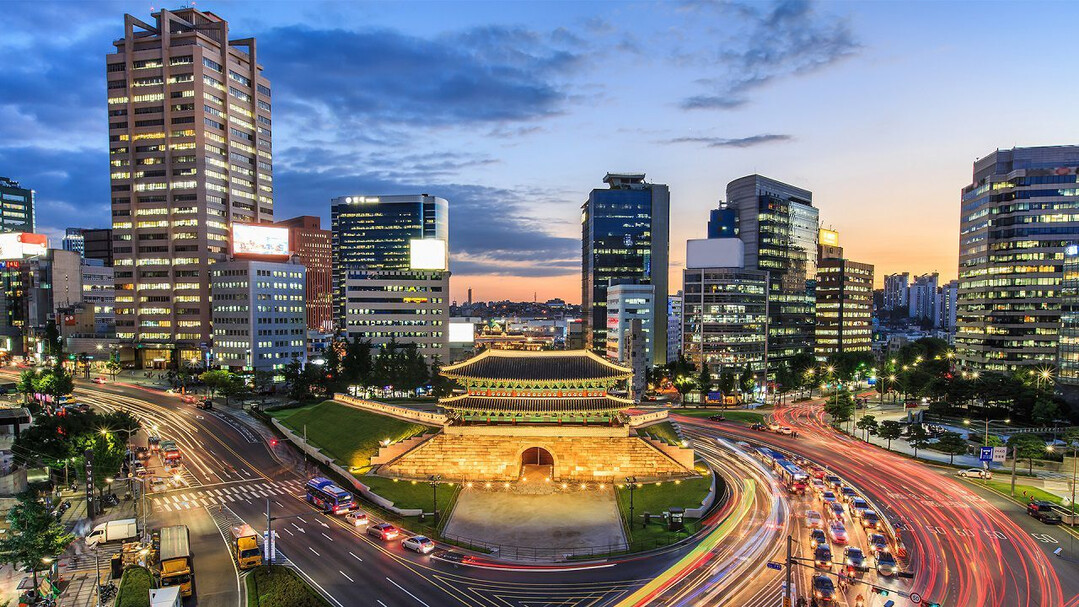
(C) Spectrum News
SEOUL — More than half of South Korea’s economic experts believe the nation is headed for a period of low growth, remaining in the 1% range for the foreseeable future.
According to a survey released on Sunday by the Korea Enterprises Federation (KEF), which polled 100 economics professors nationwide, 54% of respondents expect the economy to maintain a "low-growth trend" of around 1% at least through the end of this year.
Lowered Growth Expectations The experts’ average GDP growth forecast for 2026 stands at 1.8%. This figure is notably more pessimistic than the South Korean government’s projection of 2.0% and the International Monetary Fund’s (IMF) forecast of 1.9%. While 36% of those surveyed hope for a recovery to the 2% range by next year, 6% warned that even reaching 1% might be a challenge.
Currency Volatility and U.S. Policy Risks The survey also highlighted concerns regarding the foreign exchange market. The KRW/USD exchange rate is expected to average between 1,403 and 1,516. The persistent "high-dollar" phenomenon is largely attributed to the widening interest rate gap between South Korea and the U.S. (53%) and a surge in domestic demand for foreign currency due to overseas investments (51%).
Regarding U.S. tariff policies, 58% of experts anticipated negative impacts such as reduced exports and shrinking domestic investment. However, a significant 35% remained optimistic, citing potential market expansion and a strengthened Korea-U.S. alliance as possible silver linings.
Urgent Calls for Structural Reform To combat these headwinds, economists are calling for immediate legislative action:
Technology Protection: 87% emphasized the need for stricter penalties to prevent the leak of core technologies, such as semiconductors.
Labor Reform: 80% supported the need for flexible working hours and a performance-based wage system to adapt to the accelerating pace of technological change.
AI Integration: 92% of respondents viewed the expansion of Artificial Intelligence (AI) as a vital solution to labor shortages and declining productivity.
"Policy support must be expanded to ensure we don't fall behind in the intensifying global competition for high-tech industries," said Ha Sang-woo, head of KEF’s economic research division. "Securing our strategic technologies is a matter of utmost urgency."
[Copyright (c) Global Economic Times. All Rights Reserved.]