• 2026.11.28 (Sat)
  • All articles
  • LOGIN
  • JOIN
Global Economic Times
한인동포뉴스(상단)
  • Synthesis
  • World
  • Business
  • Industry
  • ICT
  • Distribution Economy
  • Well+Being
    • Pet Life
    • Halal Horizon
  • Travel
  • Eco-News
  • Education
  • Korean Wave News
  • Opinion
  • Arts&Culture
  • Sports
  • People & Life
    • International Student Report
    • With Ambassador
  • Column
    • Cho Kijo Column
    • Cherry Garden Story
    • Ko Yong-chul Column
    • Kim Bong-seon's Photo Column
    • Kim Seul-Ong Column
    • Lee Yeon-sil Column
    • Professor Lee Soo-young’s Life Essays
  • Photo News
  • New Book Guide
MENU
 
Home > Synthesis

Caregiver Heirs Gain Stronger Legal Shield as South Korea Shifts Forced Heirship to Cash Payouts

Nathan Ko Special Correspondent / Updated : 2026-11-28 03:59:54
  • -
  • +
  • Print


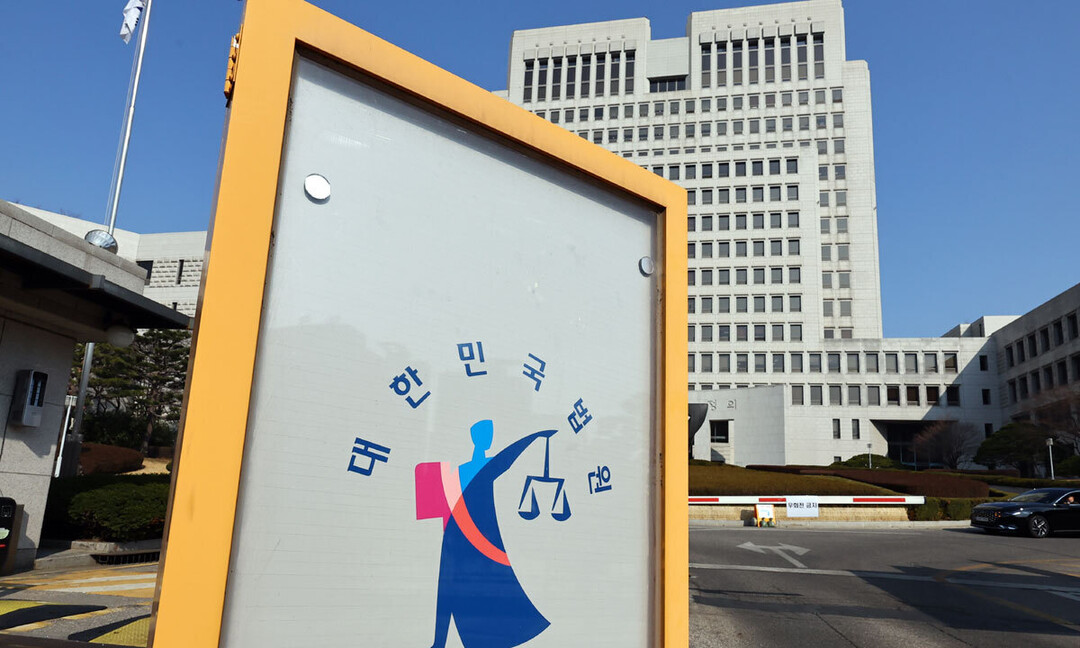
SEOUL — For years, a familiar grievance echoed through inheritance offices across South Korea: a devoted son or daughter who spent over a decade tending to an ailing parent and received property in gratitude was later forced to hand over a slice to a sibling who had stayed largely out of the caregiving picture. Under the country’s forced heirship system—known as yuryubun—statutory heirs could claim a minimum legal share even when a parent directed assets elsewhere through a gift or will.

A major revision to the Civil Act that took effect on March 17, 2026, reshapes how those claims play out in court, aiming to better reflect caregiving realities in a rapidly aging society while changing the financial mechanics of inheritance disputes.

Recognition for Care and Contribution

At the heart of the reform is explicit statutory language allowing assets given by a parent to an heir as compensation for special support or meaningful contributions to preserving or growing the parent’s estate to be set aside from yuryubun clawback calculations. Rather than automatically treating such transfers merely as an advance on a future inheritance share, the law opens the door for caregivers and contributors to defend the portion tied to their efforts.

Legal practitioners note that establishing what counts as “special” rather than ordinary family support will remain a central battleground. Even before the revision, the Supreme Court set out a multi-factor approach—looking first for clear intent that a transfer was meant as a reward for service or contribution, and, where intent is less clear, weighing family dynamics, the scope and duration of care or financial help, the share of the total estate involved, and the financial footing of both parent and child at the time. Past court decisions have pointed to examples such as years of co-residence and frequent medical visits, settling a parent’s debts, or devoting most of a gifted asset back toward the parent’s care.

Cash Settlement Replaces Property Shares

The overhaul also alters how successful yuryubun claims are satisfied. Under the prior framework, returning the asset in kind—such as transferring fractional co-ownership of real estate—was generally the default rule, often leaving feuding relatives bound together as co-owners of an apartment or parcel of land.

Under revised Article 1115 of the Civil Act, yuryubun shortfalls are settled through monetary payment rather than turning over property shares. While that spares recipients from having to carve up real estate titles or lose ownership of a family home or plot outright, it creates an immediate liquidity hurdle: an heir facing a valid claim may need to raise substantial cash quickly, adding yuryubun funding to the list of cash needs alongside inheritance taxes. 

Practical Steps Before Disputes Arise

Legal observers emphasize that statutory reform alone does not guarantee family peace. Families planning lifetime transfers or wills face two practical priorities:

Document caregiving and financial support: Keep clear records—such as medical accompaniment histories, caregiving logs, expense receipts, and transfer records—and make the purpose of a gift or bequest as explicit as possible when estate plans are drawn up. 
Plan for cash liquidity: Because settlements center on cash payouts rather than splitting property deeds, heirs and parents alike should factor potential cash obligations into broader estate and tax planning.

Consulting legal and financial advisers ahead of transfers or wills remains key to turning statutory protections into a durable estate plan rather than a courtroom dispute.

[Copyright (c) Global Economic Times. All Rights Reserved.]

  • #Cherry Garden
  • #HalalFood
  • #Halal
  • #Petlife
  • #Cats
  • #Dogs
  • #Halalhorizone
  • #Hormuz Impasse
  • #Joseon
  • #globaleconomicti
Nathan Ko Special Correspondent

Popular articles

  • LG Electronics and Skyscanner Partner to Bring Smart Travel Planning to Living Rooms

  • KakaoBank Expands 'Global Territory' by Becoming Second-Largest Shareholder of Mongolia’s M Bank

  • South Korean Authorities Launch First-Ever Statutory Probe into GS E&C Security Breach

I like it
Share
  • Facebook
  • X
  • Kakaotalk
  • LINE
  • BAND
  • NAVER
  • https://www.globaleconomictimes.kr/article/1065553039856112 Copy URL copied.
Comments >

Comments 0

Weekly Hot Issue

  • Myanmar’s President Defies Landmark UN Court Ruling on Rohingya Genocide
  • North Korean Hackers Begin Laundering Billions Stolen from Binance
  • Trump Dismisses Security Concerns Over Nvidia CEO’s Return, Citing "Great Deal of Information"
  • UN Tribunal Rules UNRWA Wrongfully Terminated Staff Over Unverified Israeli Claims
  • Man in His 20s Sentenced to 3 Years in Prison and Detained in Court for Illegally Filming Junior Soldier’s Body and Distributing It in Group Chat
  • Government Pushes to Recommend Limiting Consecutive Night Shifts to 3 Days or Less; Early-Morning Delivery Excluded

Most Viewed

1
Exercise Beats Diet in Extending Lifespan, Major Review Finds
2
Memory Chip Rout Deepens as Wall Street Questions AI Spending and DRAM Pricing
3
South Korean Burger Chain Lotteria Expands Singapore Footprint with Halal Certification and New Teriyaki Lineup
4
AI Semiconductor Stocks Plummet: Philadelphia Index Drops 5.28% and Micron Plunges 7.59% Amid Executive Shakeup and Export Restrictions
5
"Stay Out, Get Paid, or Have Police Stay With You": Shenzhen Imposes Strict Security Ahead of APEC Summit
체리가든 스토리
nutri huevos
로타리
동포저널

Hot Issue

GOP Fractures Over Trump Tariffs as Inflation Concerns Mount Post-Midterms

South Korea Moves to Mandate Domestic Chips in Security Infrastructure and Launch Strategic Export Fund

Experts Urge Focus on AI Infrastructure, Cautious Asset Allocation Ahead of 2027

Fashion Runway Show 2026

Let’s recycle the old blankets in Jeju Island’s closet instead of incinerating them.

Global Economic Times
korocamia@naver.com
CEO : LEE YEON-SIL
Publisher & Editor : KO YONG-CHUL
Registration number : Seoul, A55681
Registration Date : 2024-10-24
Youth Protection Manager: KO YONG-CHUL
Singapore Headquarters
5A Woodlands Road #11-34 The Tennery. S'677728
Korean Branch
Phone : +82(0)10 4724 5264
#304, 6 Nonhyeon-ro 111-gil, Gangnam-gu, Seoul
Copyright © Global Economic Times All Rights Reserved
  • News K
  • 반달곰 프로젝트
  • 광고문의
Search
Category
  • All articles
  • Synthesis
  • World
  • Business
  • Industry
  • ICT
  • Distribution Economy
  • Well+Being 
    • 전체
    • Pet Life
    • Halal Horizon
  • Travel
  • Eco-News
  • Education
  • Korean Wave News
  • Opinion
  • Arts&Culture
  • Sports
  • People & Life 
    • 전체
    • International Student Report
    • With Ambassador
  • Column 
    • 전체
    • Cho Kijo Column
    • Cherry Garden Story
    • Ko Yong-chul Column
    • Kim Bong-seon's Photo Column
    • Kim Seul-Ong Column
    • Lee Yeon-sil Column
    • Professor Lee Soo-young’s Life Essays
  • Photo News
  • New Book Guide
  • Overseas Koreans
  • Multicultural News