SEOUL — A landmark large-scale study conducted by a South Korean research team has revealed that there is no statistically significant difference in 10-year mortality rates between stent placement and coronary artery bypass graft (CABG) surgery for patients with left main coronary artery disease (LMCAD), a critical condition supplying blood to the heart.
The Division of Cardiology at Asan Medical Center—comprising Professors Duk-Woo Park, Seung-Jung Park, Do-Yoon Kang, and Sung-Boong Wi—announced on November 5 that their long-term collaborative tracking of 5,379 patients across 46 medical institutions in five Asian countries showed comparable 10-year survival outcomes between the two treatments. The cumulative 10-year mortality rate was 24.0% for the stent group and 22.9% for the CABG group.
Unlike previous Western studies, which often suggested surgical superiority in long-term survival, this extensive analysis focusing on Asian patient demographics was published in the prestigious international medical journal The Lancet, drawing global attention.
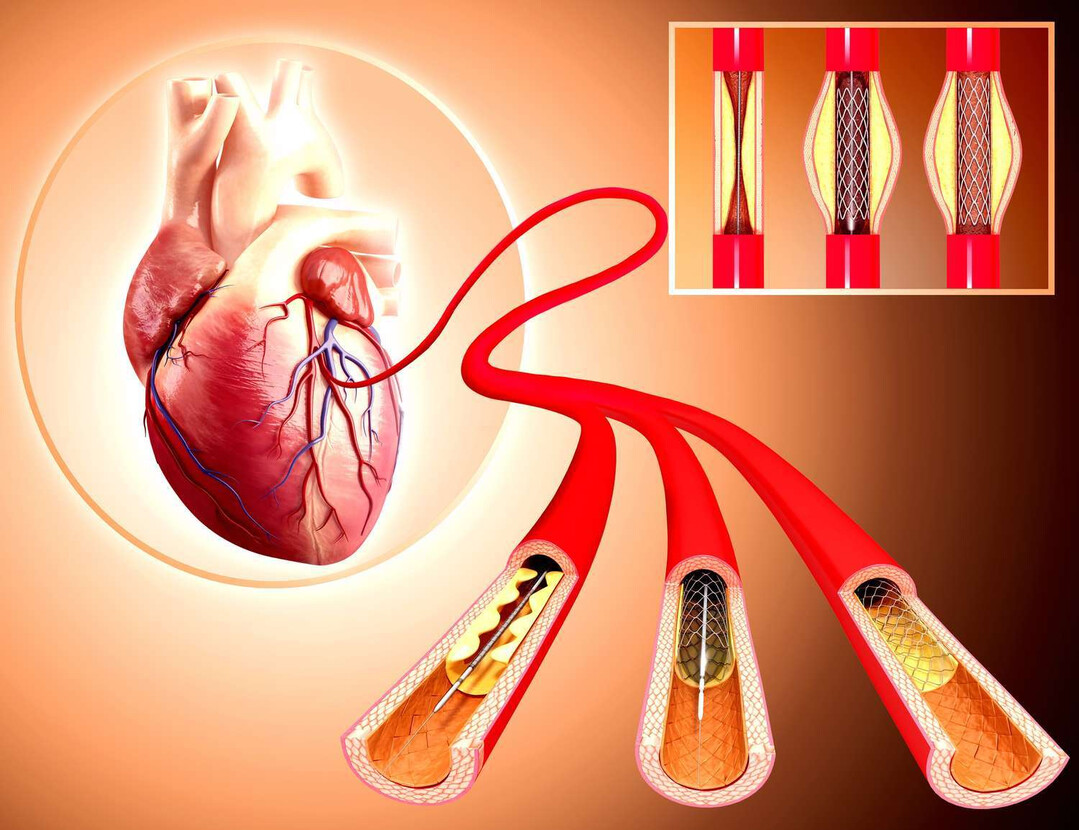
The left main coronary artery is a vital pathway feeding blood to extensive regions of the heart muscle. Blockages or narrowing in this area can trigger severe cardiac events, including myocardial infarction (heart attacks) and sudden cardiac arrest. Traditional therapeutic approaches involve either CABG—an open-chest surgery routing blood around the blockage—or percutaneous coronary intervention (PCI) using stents, which is less invasive and offers quicker recovery times.
While Professor Seung-Jung Park successfully performed the world’s first left main coronary stent procedure in 1998, paving the way for expanded clinical application, the lack of long-term comparative data specifically tailored to Asian populations has long been a subject of medical debate.
To bridge this gap, Professor Duk-Woo Park’s research team analyzed data from 3,836 patients treated with drug-eluting stents and 1,543 patients who underwent CABG between January 2003 and December 2024 across South Korea, India, Japan, Indonesia, and Malaysia.
The findings demonstrated consistent survival rates across multiple intervals:
*Within 1 year: 3.2% (stents) vs. 3.4% (CABG)
*1 to 5 years: 9.2% vs. 8.4%
*5 to 10 years: 14.3% vs. 12.5%
Despite the similar overall mortality rates, trade-offs were observed regarding specific post-treatment complications. Procedural myocardial infarction (1.8% vs. 0.4%), spontaneous myocardial infarction (4.6% vs. 1.9%), and target-vessel revascularization rates (11.8% vs. 4.6%) were higher in the stent group. Conversely, the incidence of stroke was significantly higher in the surgical bypass group (3.0% vs. 6.2%).
"Left main stenting is a field that South Korea has pioneered globally over the past three decades," Professor Seung-Jung Park noted. "This study stands as a monumental achievement built upon our accumulated clinical expertise and research capabilities."
Professor Duk-Woo Park added, "While the global medical community has long debated which treatment yields better long-term outcomes for left main coronary disease, this large-scale international study confirms that 10-year mortality rates show no meaningful difference between the two methods."
The findings were featured as a late-breaking clinical trial at the Transcatheter Cardiovascular Therapeutics (TCT) 2026 international symposium held in San Diego, USA.
[Copyright (c) Global Economic Times. All Rights Reserved.]