Pancreatic cancer remains one of the most formidable malignancies in modern medicine, largely because its early stages are notoriously silent. Recognizing warning signs early and utilizing advanced diagnostic technologies are critical steps in improving patient survival outcomes.
Hidden Symptoms and Late-Stage Diagnoses
Medical experts note that warning indicators such as unexplained weight loss, jaundice (yellowing of the skin and eyes), and fatty, foul-smelling stools typically emerge only after the disease has advanced significantly.
Data from national cancer registries highlight the severity of this issue: over 43% of pancreatic cancer cases are diagnosed after the malignancy has already spread to distant organs, the highest metastatic rate among all major cancers. Consequently, the 5-year relative survival rate lingers at a low 17%.
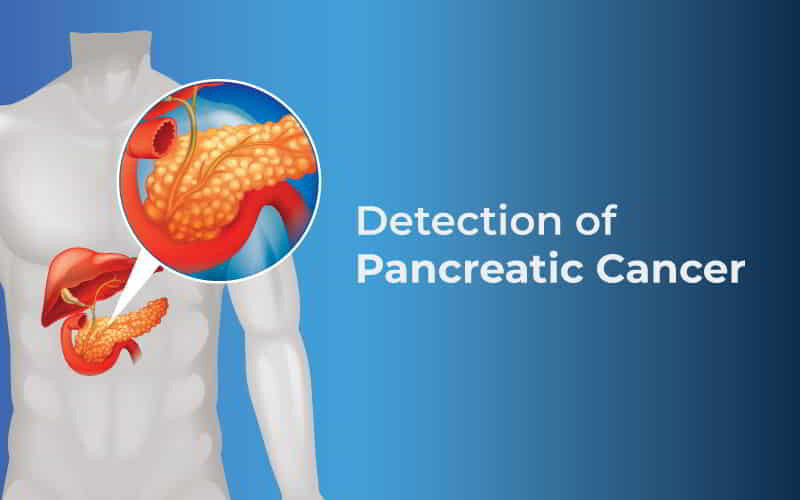
Anatomically, the pancreas is situated deep within the upper abdomen behind the stomach. This secluded placement prevents standard ultrasound scans from catching small tumors during routine checkups. Pain usually manifests only when a growing tumor begins pressing against surrounding vascular structures and neural pathways. In its infancy, the disease mimics common gastrointestinal ailments like mild indigestion, heartburn, or dull backaches, frequently leading to delayed diagnoses.
Key Red Flags to Watch For
Beyond digestive discomfort, several clinical signals warrant urgent medical evaluation:
-Rapid, unexplainable weight loss
-Obstructive jaundice (yellow skin paired with darkened urine)
-Steatorrhea (pale, oily, and foul-smelling stools)
-Sudden-onset diabetes or erratic blood glucose fluctuations in individuals without prior risk factors
Specialists emphasize that adult-onset diabetes appearing suddenly without family history should prompt immediate pancreatic evaluations.
Advanced Screening Protocols
When general imaging yields ambiguous results or high-risk symptoms persist, physicians rely on high-resolution diagnostics:
Abdominal CT Scans: The primary follow-up tool to investigate structural masses or abnormalities suspected during initial ultrasounds.
Endoscopic Ultrasound (EUS): By passing a specialized ultrasound scope through the stomach or duodenum, clinicians can examine the pancreas from close proximity. This allows for the detection of tiny lesions under 1 centimeter and facilitates EUS-guided fine-needle biopsies to confirm malignancy directly.
Endoscopic Retrograde Cholangiopancreatography (ERCP): Used to map out ductal blockages and simultaneously relieve jaundice by placing drainage stents if the bile ducts are obstructed.
Who Should Seek Screening?
Because pancreatic cancer screening is not currently part of standard, broad-population health checkups, high-risk groups must remain vigilant. Individuals with a family history of the disease, chronic pancreatitis, unexplained upper abdominal pain, or new-onset diabetes paired with weight loss should consult a specialist proactively. Early detection through targeted precision testing remains the most powerful defense against this aggressive disease.
[Copyright (c) Global Economic Times. All Rights Reserved.]