• 2026.11.11 (Wed)
  • All articles
  • LOGIN
  • JOIN
Global Economic Times
[등록] 2026-09-01 15:48:31
  • Synthesis
  • World
  • Business
  • Industry
  • ICT
  • Distribution Economy
  • Well+Being
    • Pet Life
    • Halal Horizon
  • Travel
  • Eco-News
  • Education
  • Korean Wave News
  • Opinion
  • Arts&Culture
  • Sports
  • People & Life
    • International Student Report
    • With Ambassador
  • Column
    • Cho Kijo Column
    • Cherry Garden Story
    • Ko Yong-chul Column
    • Kim Bong-seon's Photo Column
    • Kim Seul-Ong Column
    • Lee Yeon-sil Column
  • Photo News
  • New Book Guide
MENU
 
Home > Well+Being

Understanding Pancreatic Cancer: Why Early Detection Matters and Key Warning Signs to Watch For

Eunsil Ju Reporter / Updated : 2026-11-11 04:51:44
  • -
  • +
  • Print


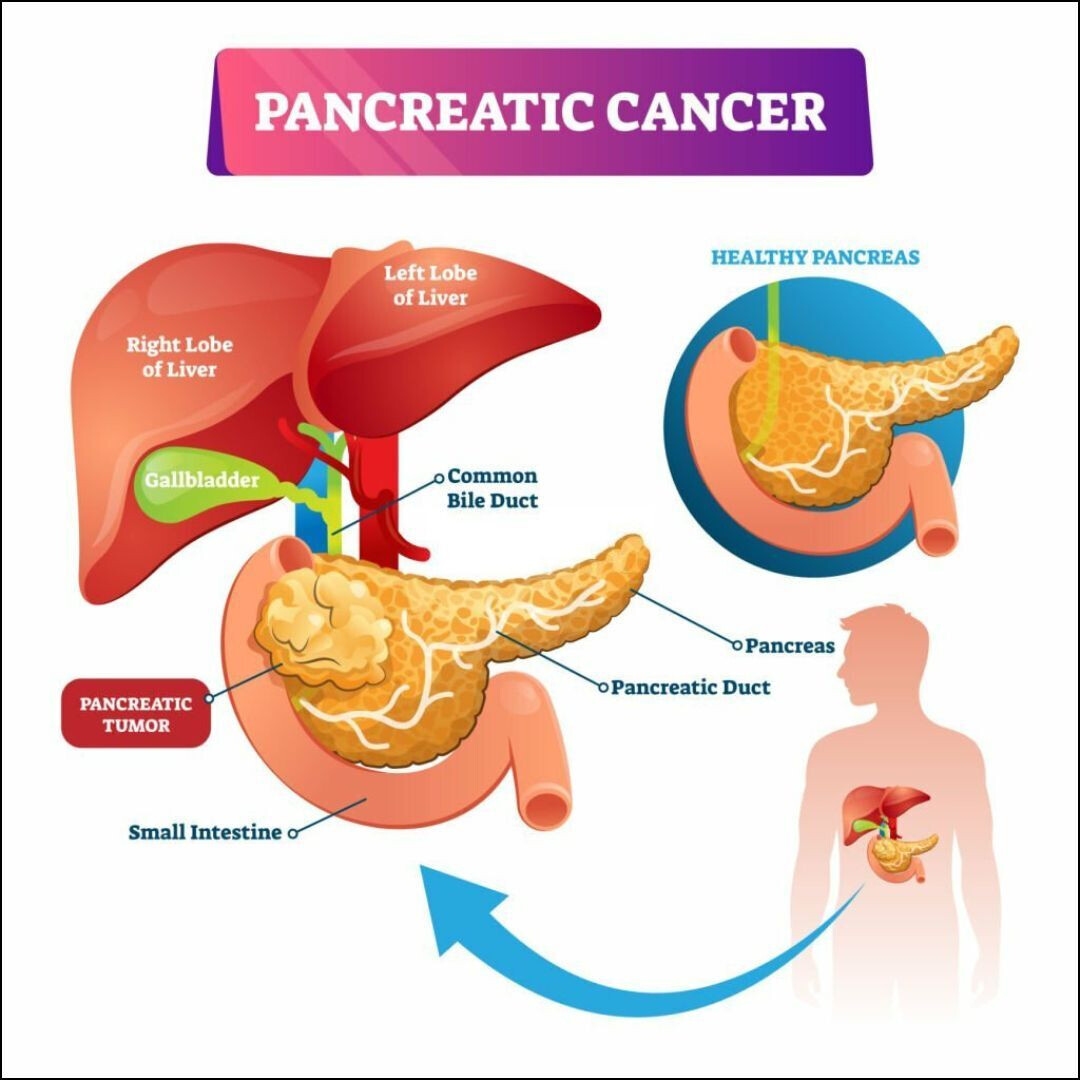
Pancreatic cancer remains one of the most formidable challenges in modern medicine. Often referred to as a "silent killer," it is notoriously difficult to diagnose in its early stages, primarily due to the organ's anatomical position deep within the abdominal cavity, tucked behind the stomach, colon, and liver. Because standard routine ultrasound screenings often struggle to clearly capture the entire pancreas through surrounding organs, many cases are unfortunately detected only after the disease has advanced.

According to recent national health statistics, the 5-year survival rate for pancreatic cancer significantly lags behind that of many other major malignancies. Medical experts note that roughly 43% of patients are already diagnosed at a distant metastatic stage, meaning the cancer has spread to other parts of the body by the time it is discovered.

Critical Warning Signs Not to Ignore

In its earliest phases, pancreatic cancer rarely produces distinct symptoms. When minor issues such as indigestion, heartburn, or a dull upper abdominal or backache do appear, they are frequently mistaken for common gastrointestinal discomfort, leading to delayed medical consultations.

However, medical professionals emphasize that certain persistent or sudden physical changes warrant prompt medical evaluation:

Unexplained Weight Loss: A rapid, noticeable drop in body weight without any intentional changes to diet or exercise.
Jaundice: Yellowing of the skin and the whites of the eyes, frequently accompanied by unusually dark urine, which can occur when a tumor obstructs the bile duct.
Steatorrhea (Fatty Stools): Because the pancreas struggles to produce adequate digestive enzymes, fat absorption is impaired, resulting in pale, oily, and foul-smelling stools.
New-Onset or Worsening Diabetes: An unexpected diagnosis of diabetes in a previously healthy adult—especially when paired with sudden weight loss—or a sudden spike in blood sugar control for existing diabetes patients can be an early red flag originating in the pancreas.

Advanced Diagnostic Approaches

When routine abdominal ultrasounds reveal inconclusive findings or when high-risk symptoms persist, doctors typically turn to more sophisticated diagnostic tools.

Abdominal CT Scans: Computed tomography provides detailed cross-sectional imaging to locate potential masses or abnormalities in the pancreatic head, body, or tail.
Endoscopic Ultrasound (EUS): By guiding an ultrasound-equipped endoscope through the stomach or duodenum, physicians can examine the pancreas at close range. This technique is especially vital for spotting tiny lesions measuring under one centimeter. Furthermore, EUS allows doctors to perform a needle biopsy, extracting tissue samples to confirm malignancy.
Endoscopic Retrograde Cholangiopancreatography (ERCP): Used primarily when tumors block the bile ducts and cause jaundice, this procedure helps visualize the biliary and pancreatic ducts while allowing specialists to insert stents to restore normal bile drainage.

Who Should Exercise Greater Caution?

While pancreatic cancer screening is not currently part of standard, population-wide routine health check-ups, certain high-risk groups need to remain vigilant. Individuals with a family history of pancreatic cancer among immediate relatives, those suffering from chronic pancreatitis, smokers, or adults who suddenly develop diabetes accompanied by weight loss should actively consult medical professionals.

While occasional indigestion or mild abdominal pain does not automatically point to cancer, health authorities stress that unexplainable, persistent changes should never be brushed aside. Recognizing subtle bodily red flags and seeking timely professional screening remains the most effective defense against a disease that thrives in the shadows.

[Copyright (c) Global Economic Times. All Rights Reserved.]

  • #Cherry Garden
  • #HalalFood
  • #Halal
  • #Petlife
  • #Halalhorizone
  • #Hormuz Impasse
  • #globaleconomictimes
  • #micorea
  • #mykor
Eunsil Ju Reporter
Eunsil Ju Reporter

Popular articles

  • Eating 100g of Baechu Kimchi Daily Linked to Lower High-Cholesterol Risks

  • "No Rest Even After Work"… The 63 Million American Adults Trapped in an Endless Cycle of Caregiving

  • Beyond Product Sales to Services… The Opening of a New 'K-Beauty Intermediation' Industry

I like it
Share
  • Facebook
  • X
  • Kakaotalk
  • LINE
  • BAND
  • NAVER
  • https://www.globaleconomictimes.kr/article/1065556200641518 Copy URL copied.
Comments >

Comments 0

Weekly Hot Issue

  • G마켓 Expands Beyond Search: E-Commerce Giant Taps Creators for SNS Shopping
  • JTBC Initiates Formal Sale Process to Find a Strategic Buyer
  • Miky Lee Honored with Asian Hall of Fame’s Centennial Medal for Pioneering Global K-Culture
  • The Harsh Reality of K-Pop: Why Small Agency Idols Struggle to Survive Beyond Three Years
  • Regional Tourism in South Korea Struggles as Infrastructure Lags Behind Inbound Airport Growth
  • K-Pop Giants Unite: Joint Venture Formed to Organize Mega-Festival 'Phenomenon'

Most Viewed

1
US Army Conducts Rare Temporary Burial Drills to Prepare for Worst-Case Large-Scale War Scenarios
2
World Citizens are Flying Directly to Busan... The Era of 4 Million Foreigners is Just Around the Corner
3
Eating 100g of Baechu Kimchi Daily Linked to Lower High-Cholesterol Risks
4
Meeting Christmas Early!… Busan Dessert Sales Event "Daldal The Market" Held
5
From Kim Whanki to Pokémon Cards... Seoul Auction Opens the Floodgates
체리가든 스토리
nutri huevos
로타리
동포저널

Hot Issue

LG Electronics and Skyscanner Partner to Bring Smart Travel Planning to Living Rooms

Regional Tourism in South Korea Struggles as Infrastructure Lags Behind Inbound Airport Growth

Miky Lee Honored with Asian Hall of Fame’s Centennial Medal for Pioneering Global K-Culture

Fashion Runway Show 2026

Let’s recycle the old blankets in Jeju Island’s closet instead of incinerating them.

Global Economic Times
korocamia@naver.com
CEO : LEE YEON-SIL
Publisher : KO YONG-CHUL
Registration number : Seoul, A55681
Registration Date : 2024-10-24
Youth Protection Manager: KO YONG-CHUL
Singapore Headquarters
5A Woodlands Road #11-34 The Tennery. S'677728
Korean Branch
Phone : +82(0)10 4724 5264
#304, 6 Nonhyeon-ro 111-gil, Gangnam-gu, Seoul
Copyright © Global Economic Times All Rights Reserved
  • News K
  • 반달곰 프로젝트
  • 광고문의
Search
Category
  • All articles
  • Synthesis
  • World
  • Business
  • Industry
  • ICT
  • Distribution Economy
  • Well+Being 
    • 전체
    • Pet Life
    • Halal Horizon
  • Travel
  • Eco-News
  • Education
  • Korean Wave News
  • Opinion
  • Arts&Culture
  • Sports
  • People & Life 
    • 전체
    • International Student Report
    • With Ambassador
  • Column 
    • 전체
    • Cho Kijo Column
    • Cherry Garden Story
    • Ko Yong-chul Column
    • Kim Bong-seon's Photo Column
    • Kim Seul-Ong Column
    • Lee Yeon-sil Column
  • Photo News
  • New Book Guide
  • Overseas Koreans
  • Multicultural News