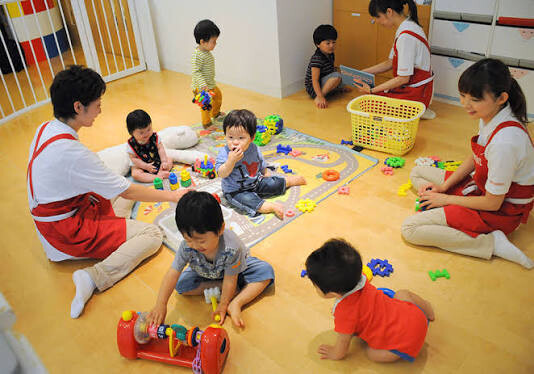
SEOUL — South Korea has adjusted its regulations regarding mandatory public daycare centers in large residential complexes, offering regional governments greater flexibility based on local childcare demand.
According to the Ministry of Education on Tuesday, the Cabinet recently approved a partial amendment to the enforcement decree of the Infant Care Act.
Previously, residential complexes with 500 or more households were strictly required by law to install public childcare facilities, regardless of local population trends. Under the revised decree, however, local governments can now adjust the apartment complex threshold—within a range between 500 and 1,000 households—through local ordinances, allowing them to better respond to regional demographic shifts and actual childcare needs.
Stricter, Tailored Penalties for Child Abuse
The updated legislation also introduces a more structured and proportionate penalty system for individuals convicted of child abuse related to daycare operations.
Disqualification periods for operating a daycare center, as well as restrictions on the reissuance of revoked director or childcare teacher licenses, have been categorized based on the severity of the offense and the length of the prison sentence:
Prison Sentences: Disqualification and reissuance bans range from 15 to 20 years, depending on the duration of the actual prison term.
Suspended Sentences: For individuals receiving a suspended prison sentence of imprisonment without prison labor or heavier, the restriction period lasts for 10 years following the expiration of the probation period.
Child Abuse Resulting in Death or Homicide: For severe cases involving child abuse homicide or fatal abuse, the maximum statutory restriction period of 20 years applies.
Legal Basis for Early Childhood Private Education Surveys
In a separate move approved during the same Cabinet meeting, an amendment to the enforcement decree of the Early Childhood Education Act established a clear legal framework for conducting official surveys on private education expenditures among young children.
Starting in 2027, authorities will systematically collect data on private tutoring costs, participation rates, and the primary objectives of early childhood private education through various methods, including field inspections, written questionnaires, phone interviews, and online surveys.
Additionally, the Cabinet passed an amendment to the Enforcement Decree on the Appointment of Educational Public Officials, permitting foreign faculty members appointed at domestic universities to concurrently hold positions at foreign institutions.
[Copyright (c) Global Economic Times. All Rights Reserved.]