![[등록] 2026-09-01 15:48:31](/support/_updata/banner2/tl181982910_6749.png)


(C) Another Day
Tech Giants Pivot to Direct Power Purchase Agreements (PPA) for Data Centers Amid Geopolitical Instability; Move Expected to Catalyze Domestic Renewable Energy Growth
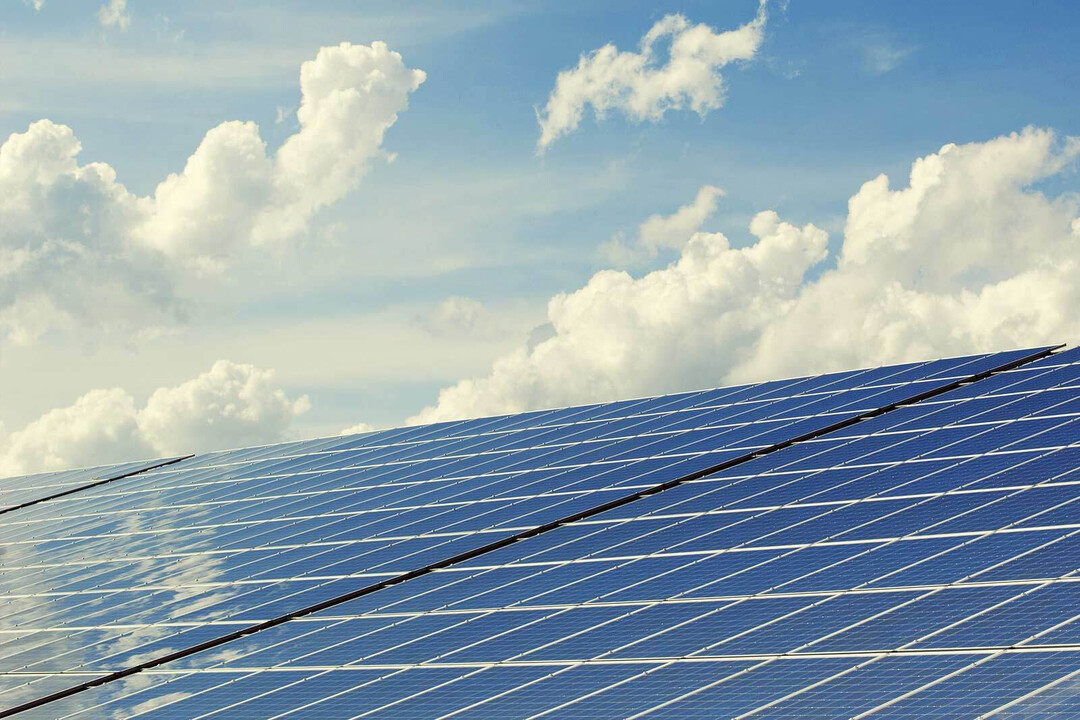
In a decisive move to fortify energy security against the backdrop of the U.S.-Iran conflict and fluctuating global fuel prices, South Korea’s leading tech titans, Kakao and Naver, are aggressively securing direct solar energy supplies. Kakao recently signed its first-ever Direct Power Purchase Agreement (PPA), while Naver has expanded its renewable energy intake to power its AI-driven infrastructure.
Kakao’s Strategic Shift: From Certificates to Direct Procurement
According to industry sources on April 1, Kakao entered into a Direct PPA with a renewable energy intermediary earlier this year. This landmark contract, the first of its kind for Kakao’s headquarters, is specifically designed to supply solar power to Data Center Ansan. The supply is expected to commence shortly.
A Direct PPA allows a consumer to purchase electricity directly from a renewable energy generator or intermediary, bypassing the standard utility grid pricing volatility. For corporations, this ensures a stable, long-term supply of eco-friendly power at a fixed rate. Crucially, it provides the "additionality" that environmental advocates seek, as these contracts directly incentivize the construction of new renewable energy facilities.
While Kakao has previously engaged in ESG (Environmental, Social, and Governance) initiatives through Renewable Energy Certificates (RECs) and Green Premium schemes, these methods have been criticized for their limited impact on increasing the net capacity of the national grid. By pivoting to a Direct PPA, Kakao is now actively contributing to the expansion of South Korea’s renewable energy ecosystem.
The AI Challenge: Powering the "Electricity Hippos"
The energy demands of data centers—often dubbed "electricity hippos"—are staggering. Kakao’s Data Center Ansan has a power reception capacity of 40MW. If operated at full capacity year-round, it consumes approximately 350GWh, equivalent to the annual electricity usage of roughly 97,333 four-person households.
With Kakao planning to complete an even larger 80MW data center in Namyangju by 2029, establishing a sustainable power procurement structure has become a business imperative rather than a mere PR exercise.
"With the explosive growth of AI demand, supplying 100% renewable energy is a significant challenge," says Hong Jong-ho, a professor at Seoul National University’s Graduate School of Environmental Studies. "However, the type of energy used by data centers is now a global focal point and a critical component of corporate branding."
Naver’s Expansion: Prioritizing AI Infrastructure
Naver is also accelerating its green energy roadmap. In February, the company began supplying solar power to its primary data center, 'GAK Chuncheon' (6MW), and its headquarters, the Green Factory (1MW).
Interestingly, Naver adjusted its initial plan, which was to supply the majority of its PPA-sourced power from Shinsung E&G to the Green Factory. Instead, it redirected the bulk (6MW) to GAK Chuncheon. This strategic shift is widely interpreted as a preparation for the surge in power consumption expected following the launch of its next-generation AI Agent services.
Energy Security as a National Priority
The push for renewables has taken on a new layer of urgency as "Energy Security" becomes a buzzword in the wake of recent international conflicts. Unlike coal, oil, or uranium, which are heavily dependent on imports and vulnerable to geopolitical blockades, renewable energy utilizes domestic natural resources.
Industry experts argue that for tech leaders like Naver and Kakao, who have committed to RE100 (100% renewable energy), the current geopolitical climate serves as a catalyst to maximize their domestic renewable procurement.
As these tech giants transition from passive certificate buyers to active energy market participants, the South Korean energy landscape is expected to see a significant shift toward decentralized, renewable-heavy infrastructure, providing a buffer against the volatile global energy market.
[Copyright (c) Global Economic Times. All Rights Reserved.]