• 2026.03.22 (Sun)
  • All articles
  • LOGIN
  • JOIN
Global Economic Times
fashionrunwayshow2026
  • Synthesis
  • World
  • Business
  • Industry
  • ICT
  • Distribution Economy
  • Well+Being
  • Travel
  • Eco-News
  • Education
  • Korean Wave News
  • Opinion
  • Arts&Culture
  • Sports
  • People & Life
    • International Student Report
    • With Ambassador
  • Column
    • Cho Kijo Column
    • Cherry Garden Story
    • Ko Yong-chul Column
    • Kim Seul-Ong Column
    • Lee Yeon-sil Column
  • Photo News
  • New Book Guide
MENU
 
Home > Column > Ko Yong-chul Column

The Devastating Toll of Climate Change and the Stalemate in Climate Finance

KO YONG-CHUL Reporter / Updated : 2024-11-17 05:20:16
  • -
  • +
  • Print


The flash floods that ravaged Spain's eastern Valencia region two weeks ago were the deadliest natural disaster in the country's living memory. While the Spanish government responded with the largest peacetime mobilization of its military and police in recent history, it still faced heavy criticism for delayed emergency assistance in certain areas and a perceived lack of preparedness for such a catastrophe.

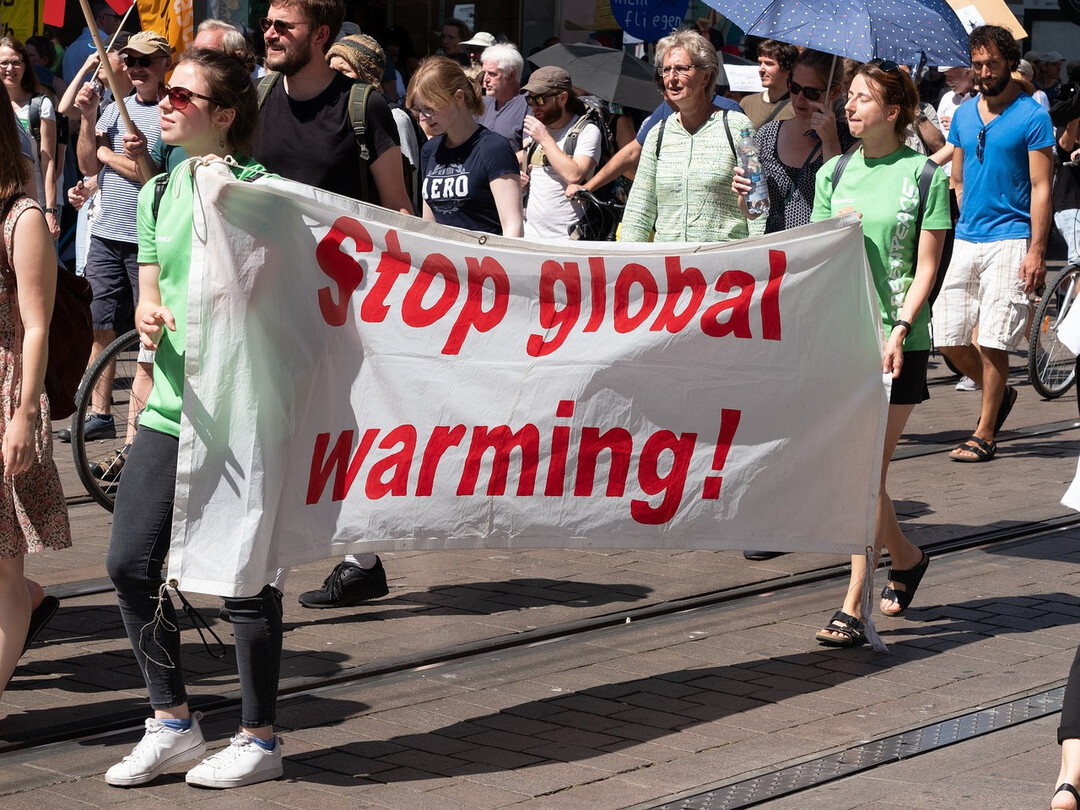
This event serves as a stark reminder that the consequences of climate change are intensifying, with more frequent and severe extreme weather events impacting a growing number of people and regions. If even a developed country like Spain is struggling to cope, how can developing nations face the impending catastrophes?

This week, over a hundred world leaders convened in Baku, Azerbaijan for the COP29, another round of UN climate negotiations. The primary agenda is a new climate finance deal.

At the 2009 Copenhagen Climate Summit, developed countries pledged to collectively mobilize $100 billion per year by 2020 to support climate action in developing countries. This goal was finally met in 2022, two years after the deadline. Since then, nations have been working to secure a new, more ambitious deal, dubbed the New Collective Quantified Goal (NCQG), to replace the old one. The new deal aims to significantly raise the promised annual contributions above the $100 billion floor and bridge the growing gaps in the climate finance framework.

Estimates for the funds required to address the climate change-related needs of developing nations are now in the trillions of dollars. The United Nations Framework Convention on Climate Change (UNFCCC), for example, estimates that developing countries will need between $5.8 to $5.9 trillion by 2030 at a minimum to address their climate needs. This means that if developing nations are to have any chance of building clean-energy systems, preparing for extreme weather events and responding effectively to natural disasters like the one in Spain, a new, more comprehensive climate finance deal is urgently needed.

Consequently, several billion-dollar questions are being debated in Baku this week: Where should the money for the NCQG come from, and how much? What types of finance should feed into it? What should it fund and where?

Negotiations for the NCQG have been underway for over two years, but there is still no consensus among nations on these crucial questions.

Developing countries and civil society groups have already put forward concrete proposals about what the NCQG should look like and involve, yet wealthier nations remain silent. The developed world’s lack of action on securing a new climate finance deal undermines trust and even risks unraveling the Paris Agreement.

Developed nations appear to be making two grave mistakes around NCQG negotiations that could have serious consequences for our collective future.

[Copyright (c) Global Economic Times. All Rights Reserved.]
KO YONG-CHUL Reporter
Reporter Page

Popular articles

  • Ko Sang-goo, President of World Federation of Korean Associations, Elected as First Private Sector Chair of World Korean Community Leaders Convention

  • Revised and Expanded Edition of ‘Failure of Negotiations with North Korea: Truth and Solutions’ Published

  • Commentary That Douses the Joy of Victory: A Twisted Perspective

I like it
Share
  • Facebook
  • X
  • Kakaotalk
  • LINE
  • BAND
  • NAVER
  • https://www.globaleconomictimes.kr/article/1065557993482772 Copy URL copied.
Comments >

Comments 0

Weekly Hot Issue

  • Coway Clinches Top Honor at "Water Taste Awards" for 7th Consecutive Year
  • HP Targets Korea as Strategic Hub for 'Edge AI' Expansion, Seeking Startup Partnerships
  • Pearl Abyss’s 'Crimson Desert' Shatters Records with 2 Million Copies Sold on Day One
  • "BTS Over Books?" Indian Academies Issue Emergency Notices as Students Plot Mass Absences for Comeback Live
  • Naver to Shut Down Men's Fashion Service 'MR.' to Launch Expanded AI-Driven Fashion Platform
  • JBNU and SKKU Researchers Achieve Breakthrough in "Dream Material" MXene, Setting New World Records in Performance

Most Viewed

1
An Open Letter to BTS On the Eve of a Historic Performance
2
From Industrial Capital to Tourism Mecca... Ulsan Makes a Bold Move with ‘Experiential Content’ in 2026
3
Ko Sang-goo, President of World Federation of Korean Associations, Elected as First Private Sector Chair of World Korean Community Leaders Convention
4
It is Time for BTS’s Fandom, ARMY, to Step Forward
5
Korean Stock Market Plunges: Circuit Breaker and Sidecar Triggered Amid Geopolitical Crisis
광고문의
임시1
임시3
임시2

Hot Issue

Vishay Unveils Ultra-Compact 0404 RGB LED with Independent Chip Control for Enhanced Color Precision

Coway Clinches Top Honor at "Water Taste Awards" for 7th Consecutive Year

AI Medical Ecosystem in Focus: KIMES 2026 Opens in Seoul as Global Healthcare Hub

Netanyahu Declares Decisive Blow to Iran’s Nuclear and Missile Programs, Signals Early End to War

Let’s recycle the old blankets in Jeju Island’s closet instead of incinerating them.

Global Economic Times
korocamia@naver.com
CEO : LEE YEON-SIL
Publisher : KO YONG-CHUL
Registration number : Seoul, A55681
Registration Date : 2024-10-24
Youth Protection Manager: KO YONG-CHUL
Singapore Headquarters
5A Woodlands Road #11-34 The Tennery. S'677728
Korean Branch
Phone : +82(0)10 4724 5264
#304, 6 Nonhyeon-ro 111-gil, Gangnam-gu, Seoul
Copyright © Global Economic Times All Rights Reserved
  • 에이펙2025
  • APEC2025가이드북TV
  • 독도는우리땅
Search
Category
  • All articles
  • Synthesis
  • World
  • Business
  • Industry
  • ICT
  • Distribution Economy
  • Well+Being
  • Travel
  • Eco-News
  • Education
  • Korean Wave News
  • Opinion
  • Arts&Culture
  • Sports
  • People & Life 
    • 전체
    • International Student Report
    • With Ambassador
  • Column 
    • 전체
    • Cho Kijo Column
    • Cherry Garden Story
    • Ko Yong-chul Column
    • Kim Seul-Ong Column
    • Lee Yeon-sil Column
  • Photo News
  • New Book Guide
  • Multicultural News
  • Jobs & Workers