![[등록] 2026-09-01 15:48:31](/support/_updata/banner2/tl181982910_6749.png)


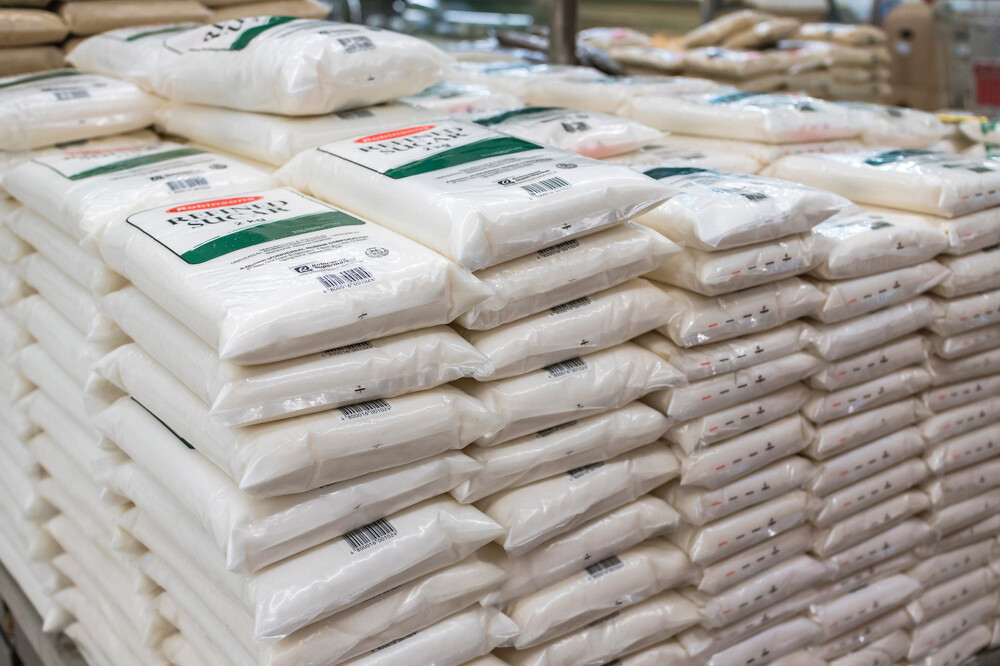
On July 9, 2025, the Philippine Sugar Regulatory Administration (SRA) approved the import of 424,000 metric tons (MT) of refined sugar as the first sugar import for the 2024-2025 cropping year. This measure aims to alleviate concerns about sugar supply shortages and ensure sufficient domestic consumption and reserves.
The SRA stated that this import approval is intended to maintain a stable supply in the domestic sugar market and secure adequate inventory. As of June 22, the Philippines' refined sugar inventory was recorded at 1.12 million MT. While this may seem sufficient at first glance, it appears the decision was driven by the judgment that market instability could result without additional supply, considering the rapidly increasing demand and anticipated decrease in domestic production.
The Philippines is one of the world's largest sugar-consuming nations and produces sugar through sugarcane cultivation. However, in recent years, sugarcane harvests have been unstable due to abnormal weather conditions (droughts, typhoons, etc.) caused by climate change and the spread of pests and diseases, leading to a declining trend in domestic sugar production. Specifically, increased rainfall due to La Niña and droughts due to El Niño have significantly impacted production.
Furthermore, complex factors such as a shortage of agricultural labor, a decrease in cultivated land, and rising production costs are shrinking domestic sugar production. In this situation, the country has no choice but to rely on imports to meet domestic demand. Sugar is an essential raw material for major food industries and a staple for households, and price fluctuations directly lead to inflationary pressure, directly affecting the common people's economy. Therefore, the government prioritizes stable sugar supply to stabilize prices.
This sugar import program will be conducted under Sugar Order 8. Import eligibility is limited to reputable international sugar traders registered with the SRA. In particular, priority will be given to traders who have voluntarily purchased sugar from local farmers or have a track record of exporting sugar to the United States. This is interpreted as the SRA's intention to protect domestic farmers and maintain existing trade relationships.
The permitted arrival period for the imported volume is from July 15 to November 30. This timing is designed to avoid overlapping with the domestic sugarcane harvest season, thereby minimizing the impact on the market release of domestically produced sugar, and simultaneously ensuring sufficient inventory ahead of the year-end consumption season.
The SRA strongly warned that sugar imports by unauthorized traders or those who have not been allocated quotas will be considered "smuggling" and may be punishable under the "Anti-Agricultural Economic Sabotage Act." This demonstrates the SRA's firm resolve to prevent illegal distribution and establish market order.
In the past, sugar smuggling was rampant in the Philippines, frequently disrupting domestic market prices and harming farmers. Efforts are expected to continue to eradicate such illegal activities, stabilize sugar supply through legitimate channels, and ensure transparency.
This sugar import decision shows that the Philippine government is actively intervening to ensure food security and price stability. However, there are also calls for urgent fundamental solutions to strengthen the competitiveness of the domestic sugarcane industry and increase production in the long term.
[Copyright (c) Global Economic Times. All Rights Reserved.]