![[등록] 2026-09-01 15:48:31](/support/_updata/banner2/tl181982910_6749.png)


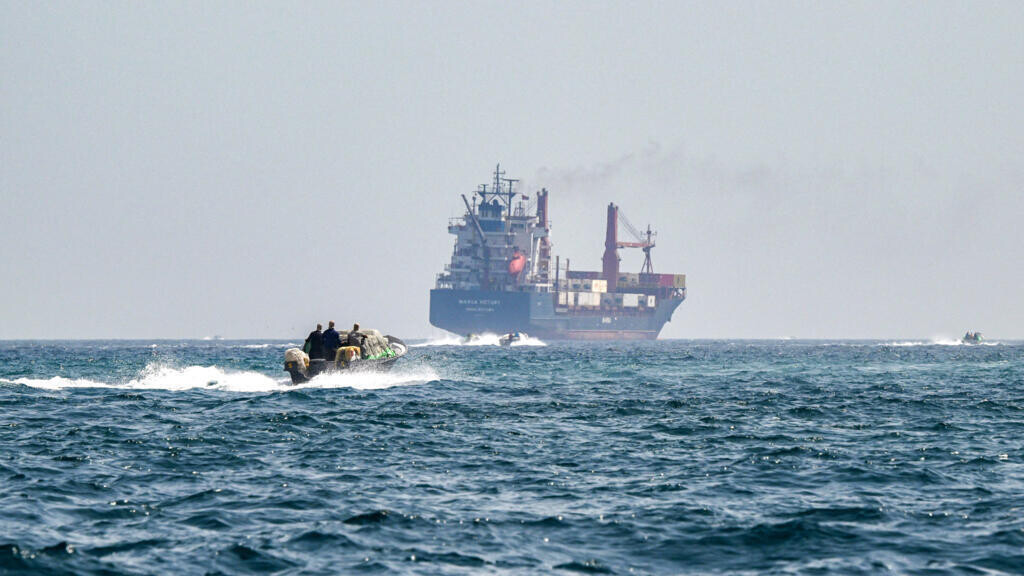
(C) France24
TEHRAN/WASHINGTON — The fragile hope for a diplomatic breakthrough in the Middle East has been dealt a severe blow as Iran abruptly rescinded its decision to open the Strait of Hormuz, plunging the region back into a "zero visibility" security crisis. The move comes just 24 hours after a short-lived gesture of goodwill, leaving the international community and energy markets in a state of high anxiety.
The Flip-Flop of the Century
On Saturday, Ebrahim Zolfaghari, spokesperson for the Khatam al-Anbiya Central Headquarters—which oversees Iran's unified military operations—announced that the Strait of Hormuz has returned to "its previous state." He confirmed that the strategic waterway, through which a fifth of the world's oil passes, is once again under the full control of Iranian forces.
This reversal effectively nullifies the statement made only a day prior by Foreign Minister Abbas Araghchi, who had promised the "full resumption of navigation for all commercial vessels" in alignment with the ceasefire between Israel and Lebanon. Tehran justified the reclosure by pointing the finger at Washington, claiming the United States failed to reciprocate with "corresponding measures" to de-escalate maritime blockades.
Chaos on the High Seas
The impact was immediate. The United Kingdom Maritime Trade Operations (UKMTO) reported a surge in distress calls from the waters off Oman. According to reports, a tanker was harassed by high-speed craft suspected to be linked to the Islamic Revolutionary Guard Corps (IRGC), while a container ship was struck by an unidentified projectile northeast of Oman.
"The situation transitioned from relief to terror in a matter of hours," said a maritime security analyst. Some vessels reportedly received radio transmissions from the Iranian Navy bluntly stating, "The Strait is closed again," forcing several merchant ships to alter their courses mid-transit.
Negotiations in Limbo
The sudden escalation has paralyzed the momentum for the second round of termination-of-war negotiations. While Pakistan’s mediation had recently secured a tentative "two-week ceasefire" agreement, the deadline for further talks—initially set for April 21—now seems unattainable.
Said Khatibzadeh, Iran’s Deputy Foreign Minister, stated that "a date for negotiations cannot be set until there is a consensus on the framework of the agreement," blaming "excessive American demands" for the stalemate. Meanwhile, U.S. President Donald Trump maintained a characteristically optimistic tone, claiming "talks are moving along nicely," though the reality on the ground suggests a widening chasm between the two nations.
Internal Fractures and Hardline Rhetoric
Adding to the complexity is a visible rift within the Iranian leadership. Hardline media outlets associated with the military have publicly criticized Foreign Minister Araghchi, accusing him of providing a "tactical opening" for U.S. aggression.
Supreme Leader Ayatollah Seyyed Mojtaba Khamenei appeared to side with the hardliners. In a statement marking "Army Day," he lauded the IRGC’s drone and naval capabilities, hinting at potential strikes against U.S. and Israeli interests. His specific mention of naval strength is being interpreted by experts as a direct endorsement of the Hormuz reclosure.
A Glimmer of Contradiction
In a baffling contrast to the maritime shutdown, Iran partially reopened its airspace for the first time in 49 days. The Civil Aviation Organization resumed operations at six airports, including Tehran, and opened eastern flight corridors to international traffic.
However, this minor concession does little to offset the catastrophic implications of the Hormuz blockade. As the conflict nears its 50th day, the world watches with bated breath. With the diplomatic track failing and military posturing intensifying, the "zero visibility" status of the Middle East seems destined to persist, threatening to destabilize global energy security for the foreseeable future.
[Copyright (c) Global Economic Times. All Rights Reserved.]