
![[등록] 2026-09-01 15:48:31](/support/_updata/banner2/tl181982910_6749.png)


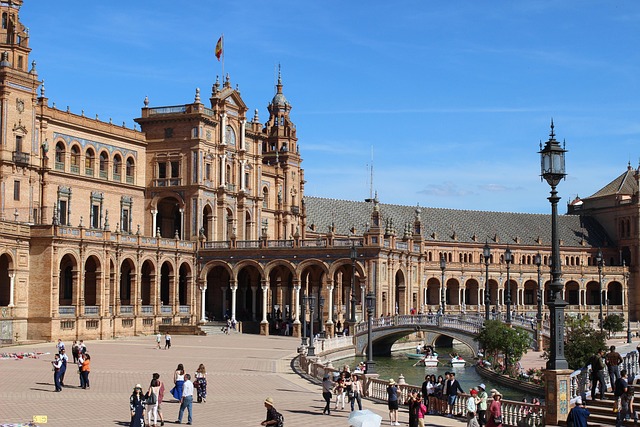
Spain, a perennial favorite on the European travel circuit, renowned for its vibrant culture, stunning landscapes, and sun-drenched beaches, is grappling with a growing undercurrent of resentment towards mass tourism. From the bustling streets of Barcelona to the idyllic shores of Mallorca and the flamenco-infused nights of Seville, a wave of discontent is brewing among locals who feel increasingly overwhelmed by the sheer volume of visitors. As the peak summer season approaches, this simmering frustration has boiled over into visible protests and vocal demands for change, signaling a potential shift in the relationship between Spain and its millions of annual tourists.
Across several of Spain's most popular destinations, including Barcelona, the Canary Islands, and parts of Andalusia, anti-tourism demonstrations have become more frequent and assertive. Protesters have taken to the streets wielding signs emblazoned with stark messages like "Tourists go home" and "The Canaries are not for sale." This sentiment has even manifested in acts of vandalism, with rental cars bearing the brunt of anti-tourist graffiti. The escalating tension underscores a growing concern that the benefits of tourism are being overshadowed by its detrimental impacts on local communities and their way of life.
The root of this burgeoning anti-tourist sentiment lies in the unsustainable levels of overtourism that many Spanish regions are currently experiencing. Locals articulate a range of grievances, all stemming from the overwhelming influx of visitors. One of the most pressing issues is the dramatic surge in housing costs, exacerbated by the proliferation of short-term rentals catering primarily to tourists. This trend makes it increasingly difficult for residents, especially young people and those with lower incomes, to afford to live in their own communities, leading to displacement and a sense of being priced out of their hometowns.
Furthermore, the sheer number of tourists places an immense strain on public services, including transportation, sanitation, and healthcare. Local infrastructure, designed to serve the resident population, is often stretched beyond its capacity during peak tourist seasons, leading to overcrowding, delays, and a decline in the quality of life for locals. The economic structure in many tourist-dependent regions also contributes to the problem, with a focus on low-wage jobs in the hospitality sector failing to provide sustainable livelihoods for residents.
The stark disparity between tourist numbers and the local population in some cities highlights the scale of the problem. Barcelona, for instance, a city with approximately 1.6 million residents, welcomes over 27 million tourists annually. This staggering ratio underscores the immense pressure placed on the city's resources and the daily lives of its inhabitants. Locals argue that their city is being transformed into a theme park, losing its authentic character and becoming increasingly inhospitable to its own people.
The Spanish central government is beginning to acknowledge the gravity of the situation, with concerns echoing across various levels of administration. In response to the growing outcry, several local authorities are exploring and implementing measures to mitigate the negative impacts of overtourism. These include imposing restrictions on the arrival of cruise ships, which can deposit thousands of tourists in a city within a short timeframe, increasing tourist taxes to generate revenue for infrastructure improvements and local services, limiting the registration of new short-term rental properties to curb the housing crisis, and even temporarily halting the construction of new hotels in severely affected areas. In the Canary Islands, a citizen-led petition calling for a temporary moratorium on new hotel development has gained significant traction, demonstrating the depth of public concern.
While the rising anti-tourist sentiment and the implementation of restrictive measures might give prospective travelers pause, it is crucial to understand the nuances of the situation. Spain remains a nation heavily reliant on the economic contributions of its tourism sector, and millions of visitors are still expected to grace its shores this year. The message emanating from Spain is not necessarily a blanket rejection of all tourists but rather a plea for a more sustainable and responsible approach to travel.
The current situation presents an opportunity for a paradigm shift in how tourism is perceived and practiced in Spain. The focus is shifting towards quality over quantity, emphasizing respectful engagement with local communities, and minimizing the environmental and social footprint of tourism. Travelers are being implicitly urged to consider longer stays, explore less-crowded destinations within Spain, support local businesses, and be mindful of their impact on the environment and local culture.
The backlash against overtourism in Spain is not an isolated phenomenon. Several other popular European destinations, including Venice, Amsterdam, and parts of Greece, are also grappling with similar challenges and implementing measures to manage visitor numbers and mitigate negative impacts. This broader trend reflects a growing awareness of the need for a more balanced and sustainable model of tourism that prioritizes the well-being of local communities and the preservation of cultural and natural heritage.
In conclusion, while the message from some corners of Spain might seem unwelcoming at first glance, it is more accurately a call for a more conscious and sustainable form of tourism. Travelers planning a trip to Spain should not necessarily cancel their plans but rather approach their visit with a greater awareness of the challenges posed by overtourism and a commitment to being responsible and respectful guests. By embracing sustainable travel practices, visitors can continue to enjoy the beauty and culture of Spain while contributing positively to the well-being of the local communities that make these destinations so special. The future of tourism in Spain, and indeed in many popular destinations worldwide, hinges on finding a harmonious balance between the economic benefits of tourism and the preservation of the places and cultures that attract visitors in the first place.
[Copyright (c) Global Economic Times. All Rights Reserved.]














