![[등록] 2026-09-01 15:48:31](/support/_updata/banner2/tl181982910_6749.png)


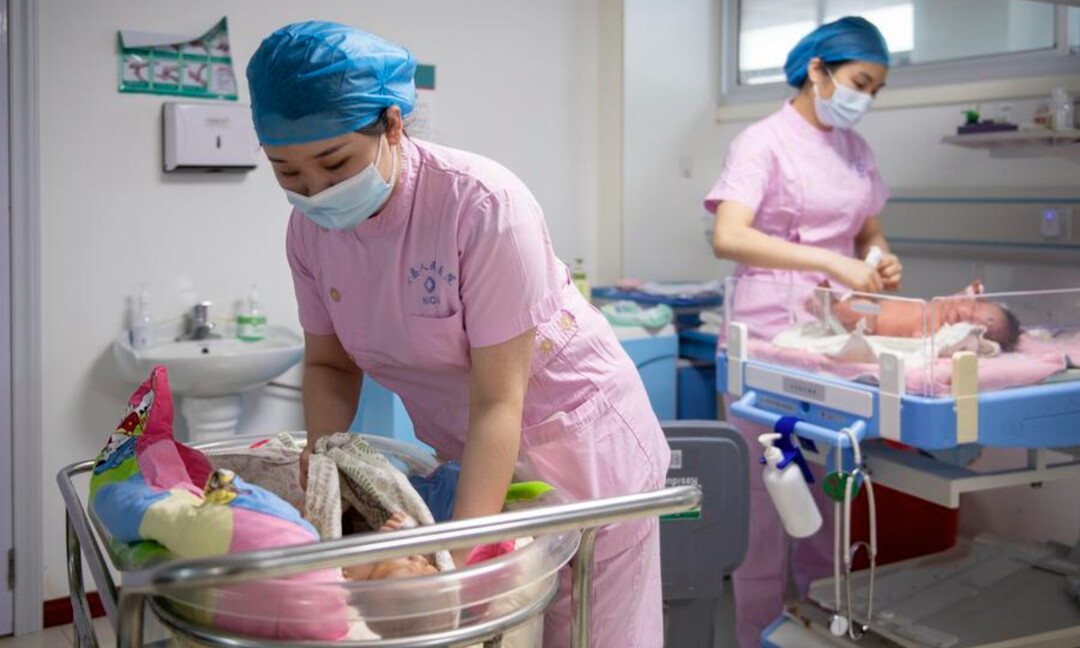
(C) Global TImes
BEIJING – In a significant move to tackle its deepening demographic crisis, the Chinese government has announced a sweeping plan to eliminate virtually all out-of-pocket expenses for childbirth across the nation starting next year. This initiative, unveiled at a national healthcare security conference, is the latest and most comprehensive effort by Beijing to alleviate the financial burdens that have deterred young couples from having children.
China's birth rate has been in steady decline, dropping to less than half of the replacement level of 2.1 in the past three years. The country's annual number of newborns has fallen below 10 million for three consecutive years, contributing to a parallel three-year decline in its overall population. Economic slowdown, skyrocketing costs of raising and educating children, and intense youth unemployment have compounded the trend, prompting both central and regional authorities to roll out various support policies.
Eliminating Financial Barriers to Childbirth
The core of the new policy, as reported by Xinhua News Agency and other local media, centers on leveraging the capacity of the medical insurance fund to significantly increase the coverage for maternal healthcare.
Zhang Ke, Director of the National Healthcare Security Administration, articulated the ambitious goal: "The objective is to eliminate out-of-pocket payments for in-hospital delivery costs covered by the medical insurance list, starting from the moment the expectant mother is admitted to the hospital until she is discharged holding her baby."
Currently, only seven provinces, including Jilin in the northeast and Jiangsu and Shandong in the east, fully cover in-hospital delivery medical expenses within their policy scope. The nationwide expansion aims to standardize this benefit, ensuring all citizens have financial protection during childbirth.
Expanding Coverage and Enhancing Services
Beyond the core goal of zeroing out delivery fees, the authorities are also focusing on broadening the scope of the insurance and enhancing reproductive health services.
Expanded Insurance Eligibility: The government stated it will work to extend the coverage of maternity insurance to include flexible workers, migrant workers (known as nongmingong), and laborers engaged in new forms of employment that fall outside traditional categories. This recognizes the evolving nature of China's workforce and aims to provide social security to previously underserved populations.
Comprehensive Service Package: Efforts are underway to formulate a basic service package that will include prenatal examinations, further reducing the medical expenses for maternity insurance participants.
Pain Relief and Assisted Reproduction: The plan includes measures to cover appropriate labor analgesia programs under the subsidy scheme. Furthermore, the government aims to improve the management policies for reimbursing Assisted Reproductive Technology (ART) programs through medical insurance, a crucial step for couples facing fertility challenges.
Direct Subsidy Delivery: To ensure efficiency and impact, the authorities committed to establishing mechanisms that will allow maternity subsidies to be transferred directly to the insurance beneficiaries.
This comprehensive policy package signals Beijing's growing concern over the demographic trajectory and its commitment to making having children financially viable again. By targeting the high cost of childbirth—a major deterrent cited by young couples—China hopes to reverse the deep-seated trend of marriage and birth postponement and secure its future workforce.
[Copyright (c) Global Economic Times. All Rights Reserved.]