![[등록] 2026-09-01 15:48:31](/support/_updata/banner2/tl181982910_6749.png)


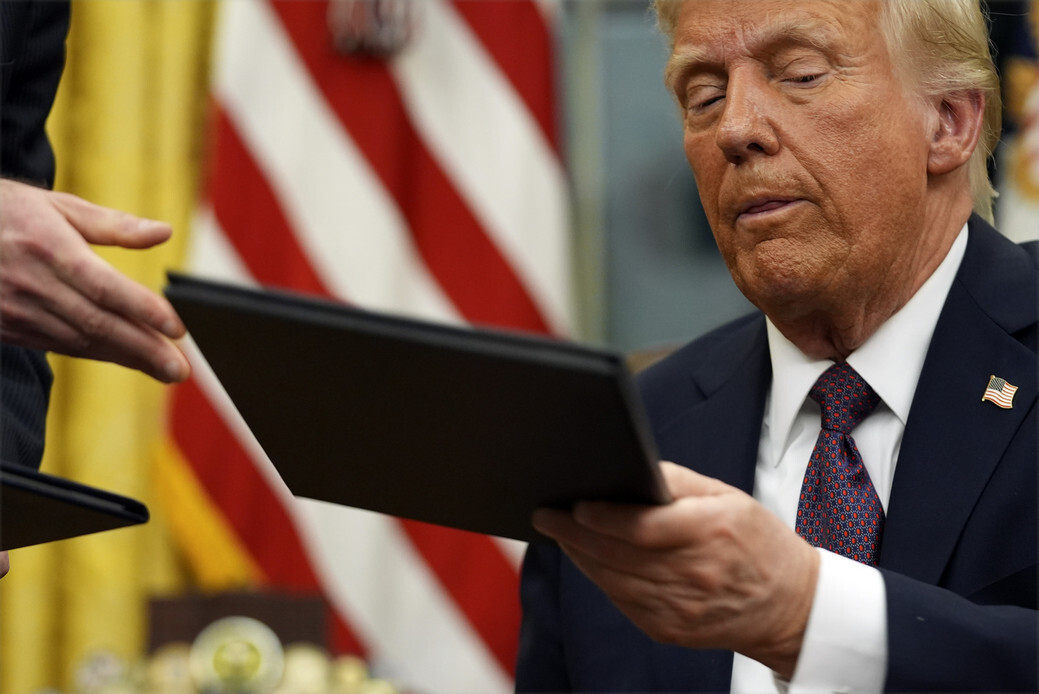
(C) Politico
WASHINGTON, D.C. — In a dramatic escalation of his anti-immigration platform, President Donald Trump announced on Wednesday (local time) that he would seek to "permanently suspend immigration from all Third World countries" and initiate a vast, targeted deportation campaign. This declaration came shortly after an Afghan national, who was an immigrant, fatally shot a National Guard member and seriously wounded another near the White House.
The proposed policy shift, which Trump is terming a "reverse-migration" strategy, signals a forceful move towards drastically reducing the foreign-born population and is largely aimed at dismantling the immigration policies established under the preceding Biden administration.
Sweeping 'Reverse-Migration' Plans
In a series of posts on his social media platform late Wednesday, Trump outlined his ambitious plans, characterizing the move as essential for national safety and cultural preservation.
Permanent Immigration Halt: Trump vowed to impose a permanent ban on immigration from what he vaguely described as "all Third World countries." While the specific list of nations was not provided, the move is seen as an expansion of the travel restrictions he previously implemented.
Mass Deportations: The core of the policy is the mass deportation of "foreigners who are not a net positive for America." He specifically targeted individuals who entered the U.S. illegally under the Biden administration and those he deemed "not loving our country enough."
Citizenship and Benefits Stripping: Trump further threatened to revoke the citizenship of immigrants who have "disrupted order" within the U.S. and to halt federal benefits and subsidies for non-citizens. He explicitly stated the goal is to expel foreigners who are "incompatible with Western civilization and pose a security risk."
Expanding the List of 'Concerned Countries'
The urgency of Trump's announcement was directly tied to the fatal shooting incident involving a National Guard member. Following the attack, Joseph Edlow, Director of U.S. Citizenship and Immigration Services (USCIS), reportedly stated that at Trump’s direction, a complete review of green card holders from all "concerned countries" had been ordered.
This follows prior targeted restrictions announced by Trump in June, which named 12 countries for a full entry ban (including Afghanistan, Iran, Somalia, and Yemen) and seven others for partial restrictions (including Cuba and Venezuela). With Trump's latest call for a ban on all Third World nations, the number of countries subject to restriction could significantly increase.
Legal Hurdles and Congressional Authority
Legal experts and critics quickly pointed out that Trump's plan to "permanently suspend immigration from all Third World countries" faces major legal and constitutional barriers.
The Immigration and Nationality Act (INA) explicitly grants Congress the power to legislate permanent immigration restrictions based on nationality. A U.S. President cannot unilaterally enact a permanent ban on immigration from specific countries through an Executive Order alone. Furthermore, the INA is structured around family-based and employment-based immigration categories, allowing U.S. residents and employers to sponsor immigrants, a framework that Trump's proposed permanent ban would directly contradict. There is no precedent for a blanket, permanent national-origin ban in the existing INA.
However, the President does possess the authority to temporarily restrict the entry of specific foreign nationals if there are legitimate concerns related to national security, foreign policy, or public safety. Trump’s strategy would likely involve using this temporary executive power to implement widespread restrictions while attempting to push Congress to adopt permanent legislative changes.
The success of Trump's sweeping "reverse-migration" policy remains highly uncertain, resting heavily on political negotiations, judicial challenges, and the extent to which he can bypass or fundamentally alter long-standing U.S. immigration law.
[Copyright (c) Global Economic Times. All Rights Reserved.]