![[등록] 2026-09-01 15:48:31](/support/_updata/banner2/tl181982910_6749.png)


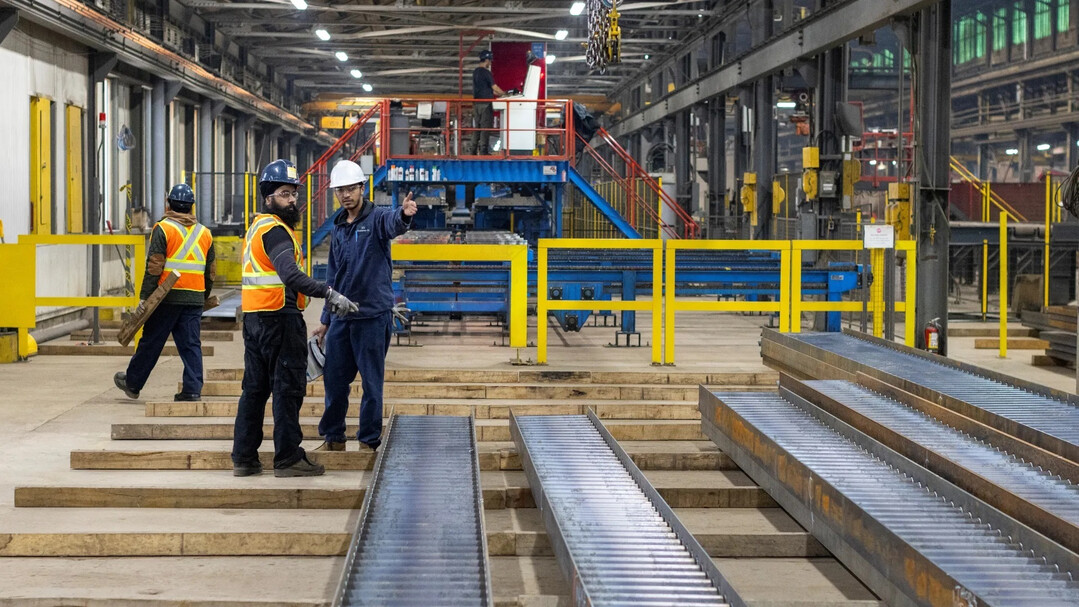
(C) Al Jazeera
BRUSSELS / WASHINGTON — In a potential breakthrough for Transatlantic trade relations, the United States is reportedly preparing to lower tariffs on steel and aluminum derivative products imported from the European Union. This move comes as both powers struggle to preserve a fragile trade pact amidst legal challenges to U.S. executive authority.
The Core of the Dispute: "Derivatives" and the 50% Wall
According to sources familiar with the matter cited by Bloomberg on February 24, the Trump administration is considering a reduction of the current 50% tariff rate applied to a broad category of processed metal goods. These "derivatives"—which include items like steel nails, aluminum wires, and specialized automotive components—have been a major friction point since the U.S. expanded the list to cover over 400 specific items.
The European Union has long argued that these punitive rates violate the bilateral agreement reached last year, which was intended to cap most European industrial tariffs at 15%. EU trade officials contend that the U.S. strategy of regularly revising and expanding the derivative list effectively bypassed the spirit of the 2025 accord, eroding the competitive advantages EU manufacturers expected to gain.
The Legal Quagmire: IEEPA and the Supreme Court
The timing of this potential concession is critical. The U.S. Supreme Court recently delivered a landmark ruling, declaring the use of the International Emergency Economic Powers Act (IEEPA) to impose universal reciprocal tariffs unconstitutional.
In a swift response to the judicial setback, the U.S. administration introduced a new 10% International Tariff layered atop existing Most Favored Nation (MFN) rates. This legal volatility has sent shockwaves through the European Parliament, which on Monday voted to suspend the ratification process of the broader U.S.-EU trade agreement until Washington provides "absolute clarity" on its long-term trade posture.
Strategic Calm Amidst Uncertainty
Despite the friction, Maroš Šefčovič, the EU's Trade Chief, offered a note of cautious optimism. Addressing European lawmakers, he confirmed that the U.S. has formally acknowledged the severity of the derivatives issue.
"We have received assurances from the U.S. side that they recognize this is a significant hurdle for us," Šefčovič stated. "They are currently reviewing the measures, and we expect a resolution within weeks."
Industry Impact: Complexity and Cost
For European exporters, the issue isn't just the tax—it's the bureaucracy. Companies have reported extreme difficulty in calculating the exact percentage of "derivative content" within complex finished goods. This uncertainty has led to shipment delays and a reluctance to sign long-term supply contracts.
While the proposed reduction would offer relief for processed goods, it is important to note that primary, raw-grade steel and aluminum will remain subject to the original, higher tariff tiers. The move is seen as a tactical "olive branch" to keep the EU at the negotiating table while the U.S. reconfigures its trade laws following the Supreme Court’s intervention.
Outlook: A Slow Transition
Anonymous officials from both sides suggest that while a full transition to a stable new trade policy could take months, there is a mutual desire to avoid an all-out trade war. For the EU, the priority remains protecting its industrial base from fluctuating U.S. protectionist measures. For the U.S., the goal is to maintain leverage while satisfying the legal requirements set by its domestic courts.
As the world watches the next few weeks, the reduction of derivative tariffs may serve as the necessary "pressure valve" to prevent the collapse of the world's most significant commercial partnership.
[Copyright (c) Global Economic Times. All Rights Reserved.]