![[등록] 2026-09-01 15:48:31](/support/_updata/banner2/tl181982910_6749.png)


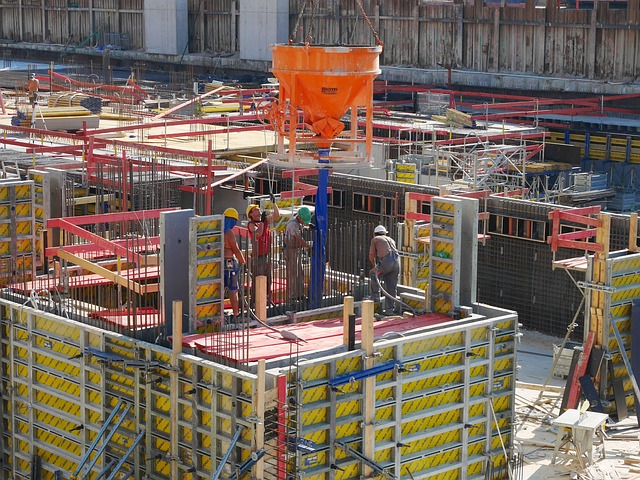
Seoul, South Korea – The South Korean construction industry is grappling with a severe and unprecedented downturn, as evidenced by a staggering over 20% year-on-year plunge in construction output during the first quarter of 2025. This dramatic contraction, the most significant since the tumultuous period following the 1997-98 Asian Financial Crisis, underscores the depth of the current crisis. Compounding these concerns, a key leading indicator, construction orders, has also slipped into negative territory, fueling fears of a protracted and potentially transformative slump within the sector.
Data released by Statistics Korea and the National Statistical Portal (KOSIS) reveals the stark reality: construction work completed, a crucial measure of the industry's production, plummeted by 20.7% in the first three months of this year compared to the same period in 2024. This figure surpasses even the sharp declines experienced during the global financial crisis of 2008-09 and represents the steepest fall since the 24.2% contraction recorded in the third quarter of 1998, in the immediate aftermath of South Korea's economic meltdown.
The current malaise represents an intensification of a downward trend that began in the preceding year. Construction work completed has now contracted for four consecutive quarters, signaling a sustained and deepening recession within the industry. This prolonged period of decline is the longest since the COVID-19 pandemic's initial impact, highlighting the structural and cyclical challenges currently facing the sector.
Several interconnected factors are contributing to this unprecedented slump. A significant backlog of sluggish orders and groundbreaking activity from previous periods is now manifesting in reduced output. Furthermore, the domestic political landscape, marked by heightened uncertainty following the controversial December 3rd emergency decree (the specifics of which require further context but suggest a period of instability impacting economic activity), has likely dampened investor sentiment and led to a contraction in new housing and commercial developments. The government's assessment also points to temporary setbacks in the previous month, including bridge accidents that disrupted construction activities, occurring amidst ongoing efforts to recalibrate investment in certain sectors.
The building construction segment, a significant component of the overall industry, has been particularly hard-hit, registering a 22.8% decline in the first quarter – the largest drop since the final quarter of 1998. This sharp fall reflects reduced activity in residential, commercial, and industrial construction, indicating a broad-based slowdown across the sector.
The protracted construction slump is not occurring in a vacuum; it is beginning to exert a tangible drag on household incomes. Data from Statistics Korea's Household Income and Expenditure Trends survey reveals that households whose primary earners are employed in the electricity, water, and construction sectors experienced a meager 1.4% income growth in the fourth quarter of last year, significantly lagging behind the overall average income growth of 3.8%. More alarmingly, the labor income for these households contracted by 2.4% in the same period, marking the second consecutive quarterly decline. This erosion of income within the construction workforce has broader implications for consumer spending and overall economic activity.
Looking ahead, the prospects for a swift recovery appear limited. Construction orders (in nominal terms), a crucial leading indicator that foreshadows future construction activity, declined by 7.7% in the first quarter of 2025 compared to the previous year. This marks the first time this indicator has turned negative since the first quarter of 2024, further underscoring the depth of the current downturn. While there was a modest 10.4% increase in orders for buildings such as offices and retail spaces, this was more than offset by a dramatic 41.4% plunge in civil engineering orders, which include infrastructure projects like roads, bridges, and machinery installations. This sharp decline in civil engineering orders is particularly concerning as it suggests a slowdown in public sector investment and large-scale infrastructure development.
The Bank of Korea, in its recent Monetary Policy Report, echoed these concerns, projecting continued significant weakness in construction investment throughout 2025 due to the lingering effects of past sluggish orders and groundbreaking. While the central bank anticipates a gradual recovery in the latter half of the year, driven by potential improvements in leading indicators and a possible easing of financial conditions, the overall outlook for the construction sector remains precarious.
The current crisis in South Korea's construction industry is occurring within a complex global economic landscape. Rising interest rates, both domestically and internationally, aimed at curbing inflation, have made financing construction projects more expensive. Geopolitical uncertainties and supply chain disruptions have also contributed to increased material costs and project delays. Domestically, government policies aimed at cooling down speculative real estate bubbles in recent years may also be contributing to the current slowdown in new developments.
Furthermore, the aging demographic of South Korea and a potential shift in investment priorities towards emerging technologies and other sectors could also be influencing the long-term trajectory of the construction industry. Addressing this unprecedented slump will require a multifaceted approach involving government intervention, industry restructuring, and a careful navigation of the evolving economic landscape. The potential consequences of a prolonged construction downturn extend beyond the industry itself, impacting employment, related sectors, and overall economic growth, necessitating urgent attention and strategic solutions.
[Copyright (c) Global Economic Times. All Rights Reserved.]