![[등록] 2026-09-01 15:48:31](/support/_updata/banner2/tl181982910_6749.png)


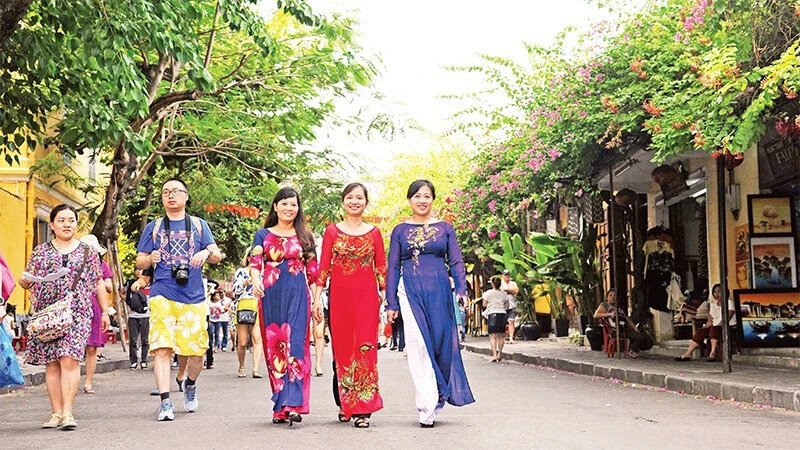
HÀ NỘI – Facing mounting challenges like resource depletion, environmental pollution, and climate change, Vietnam's tourism industry is recognizing the urgent need for a sustainable transformation in resource management. For the past 15 years, the Scientific Union for Sustainable Tourism Development (STDe) has been at the forefront of this shift, pioneering innovative approaches to tourism through research and the implementation of 35 groundbreaking projects.
These projects tackle challenges head-on, turning them into opportunities for sustainable growth. One notable example is the initiative to transform central Vietnam's rainy and flood seasons into unique tourism products. Instead of combating these weather patterns, the project proposes novel experiences that embrace them, offering tourists a different perspective on the region. This approach allows the tourism sector to not only coexist with nature's extremes but also capitalize on them. Initially met with skepticism, the project has since been adopted by businesses in Huế and Hội An, demonstrating its potential for success.
Another innovative project is the "dark hotel" model, an energy-efficient concept that explores the beauty and value of darkness. This project garnered the Contribution Award at the 2011 Green Economy Ideas competition and secured technology transfer contracts at the 2013 Techmart International Fair.
Other successful initiatives include "silver wind in Bạc Liêu," a tourism product linked to the province's wind farms, and "rice straw in Đường Lâm," a project empowering villagers to create eco-friendly accommodation, souvenirs, and fashion items from rice straw, mitigating pollution from straw burning. These projects have opened new avenues for tourism product development in Vietnam.
Dr. Nguyễn Thu Hạnh, Chairwoman of STDe, explained that these projects challenge outdated resource exploitation methods, enhance the value of tourism assets, and boost revenue while minimizing environmental impact. Ultimately, they generate long-term, sustainable benefits for the tourism sector and related industries. However, she acknowledged that the journey is not without its obstacles. Implementing these projects requires more than just creative ideas; it demands overcoming significant hurdles.
A key challenge, according to STDe, is persuading businesses, traditionally reliant on raw resource exploitation, to embrace scientifically backed, creative research. Furthermore, many research-driven products face valuation difficulties, are vulnerable to intellectual property theft, and lack effective protection, hindering their market entry.
Associate Professor Dr. Bùi Thanh Thủy, Head of the Tourism Department at Hà Nội University of Culture, emphasized the necessity of this shift, particularly given the escalating impacts of climate change and environmental pollution. She called for a policy framework to translate creative ideas into tangible products, highlighting the growing recognition of the creative economy and urging a shift in mindset to build a market for creative industries.
Nguyễn Tiến Đạt, Vice President of the Hà Nội Tourism Association, stressed the importance of balancing innovation with practicality. He cited key considerations such as investment scale, feasibility, and revenue potential, explaining that many creative ideas require significant investment and multi-stakeholder collaboration. He also noted that creative products often have a short shelf life, demanding frequent updates to maintain appeal.
Transforming ideas into successful tourism products requires collaborative research and investment, along with the active participation of businesses, local communities, and residents.
[Copyright (c) Global Economic Times. All Rights Reserved.]