![[등록] 2026-09-01 15:48:31](/support/_updata/banner2/tl181982910_6749.png)


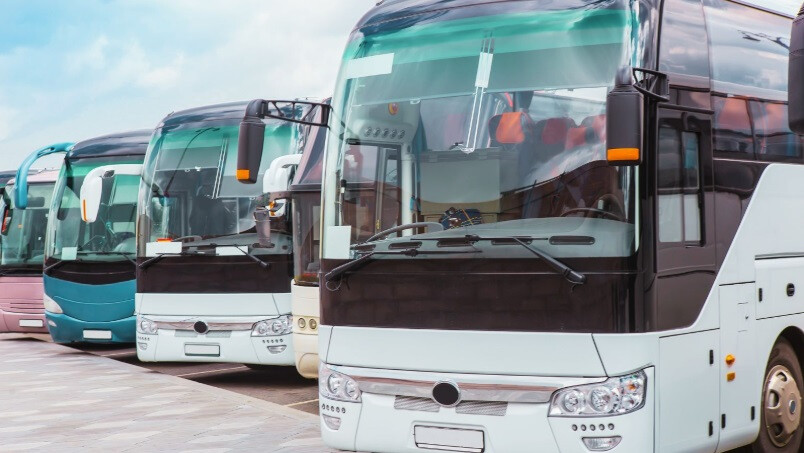
Singapore aims to minimize sudden braking impact and enhance passenger convenience with pioneering technology.
Singapore is set to elevate the quality of public transportation with the introduction of a cutting-edge 'Smart Bus Braking System' on its buses, a first in the nation. This initiative goes beyond simple transportation system improvements, demonstrating Singapore's strong commitment to building a passenger-centric smart city.
The newly adopted smart bus braking system is designed to do more than just decelerate vehicles. By integrating Artificial Intelligence (AI) and sensor technology, the system analyzes the bus's operational status and surrounding environment in real-time. The core principle is to predict the driver's need for sudden braking in advance and precisely control the braking force, allowing for a smooth deceleration of the vehicle.
The smart braking system is expected to incorporate the following technical elements:
Predictive Braking Algorithm: Real-time analysis of data such as the movement of preceding vehicles, pedestrian approach, and traffic light changes to predict the possibility of sudden braking and initiate preparatory braking stages.
Precision Control Hydraulic System: Integration of electronic control technology with the existing hydraulic braking system to independently and minutely adjust the braking force applied to each wheel, thereby minimizing vehicle shaking.
Inertia Force Compensation Function: Detection of inertia forces during braking and active compensation for the vehicle's forward and backward tilting to reduce passenger discomfort.
Driver Assistance System: Provision of visual and auditory warnings to the driver about the need for sudden braking in advance, along with guidance on the optimal braking timing to support safe driving.
This fusion of advanced technologies is anticipated to provide passengers with the following tangible benefits:
Improved Ride Comfort: Reduced sudden jolting caused by abrupt braking, offering a more stable and comfortable travel experience, particularly beneficial for vulnerable passengers such as the elderly, pregnant women, and children.
Enhanced Safety: Prevention of potential accidents through predictive braking and ensuring stable braking performance in emergencies, thereby strengthening passenger safety.
Reduced Fatigue: Lowered fatigue levels for passengers by minimizing unnecessary shaking and anxiety, fostering a more positive perception of public transportation use.
The Land Transport Authority (LTA) of Singapore cited the increasing urban population and the subsequent rise in public transport usage as the backdrop for the introduction of this smart bus braking system. Continuous innovation across the transportation system aims to enable more citizens to use public transport conveniently and safely, with the smart braking system being a crucial part of these efforts.
An LTA representative stated, "The smart bus braking system is a technology that prioritizes the comfort and safety of passengers. We will thoroughly verify the system's effectiveness through pilot operations and consider its expanded application to bus routes across Singapore in the future."
Singapore's introduction of the smart bus braking system holds significant implications for other cities. As societies age, the demand for convenient public transportation is increasing, and improving ride comfort through advanced technology is becoming ever more important. Singapore's case is expected to serve as a significant milestone in the development of future public transportation systems.
Meanwhile, smart bus technology is advancing in various fields beyond braking systems. Examples include GPS-based real-time location information, automatic distance control between vehicles, lane departure warnings, and automatic parking assistance systems, all being developed and commercialized. Singapore also plans to actively adopt these smart bus technologies to create a safer and more efficient public transportation environment.
Experts predict that smart bus technologies will bring various social benefits, such as alleviating traffic congestion, increasing energy efficiency, and reducing environmental pollution. The success and potential widespread adoption of Singapore's pioneering initiative will be closely watched.
[Copyright (c) Global Economic Times. All Rights Reserved.]