• 2026.11.27 (Fri)
  • All articles
  • LOGIN
  • JOIN
Global Economic Times
한인동포뉴스(상단)
  • Synthesis
  • World
  • Business
  • Industry
  • ICT
  • Distribution Economy
  • Well+Being
    • Pet Life
    • Halal Horizon
  • Travel
  • Eco-News
  • Education
  • Korean Wave News
  • Opinion
  • Arts&Culture
  • Sports
  • People & Life
    • International Student Report
    • With Ambassador
  • Column
    • Cho Kijo Column
    • Cherry Garden Story
    • Ko Yong-chul Column
    • Kim Bong-seon's Photo Column
    • Kim Seul-Ong Column
    • Lee Yeon-sil Column
    • Professor Lee Soo-young’s Life Essays
  • Photo News
  • New Book Guide
MENU
 
Home > World

U.S. Faces "Double Standard" Backlash Over Sweeping Overcapacity Tariffs Targeting 14 Economies

KO YONG-CHUL Reporter / Updated : 2026-11-27 07:08:34
  • -
  • +
  • Print
Washington’s new Section 301 tariff push draws scrutiny for targeting allies’ industrial subsidies—and even domestic savings programs—while heavily subsidizing its own AI sector.


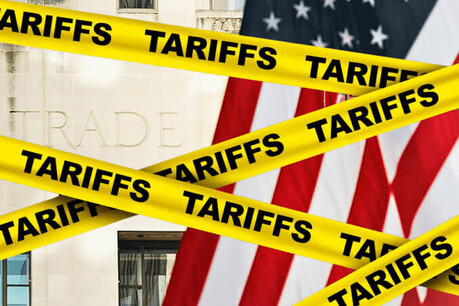
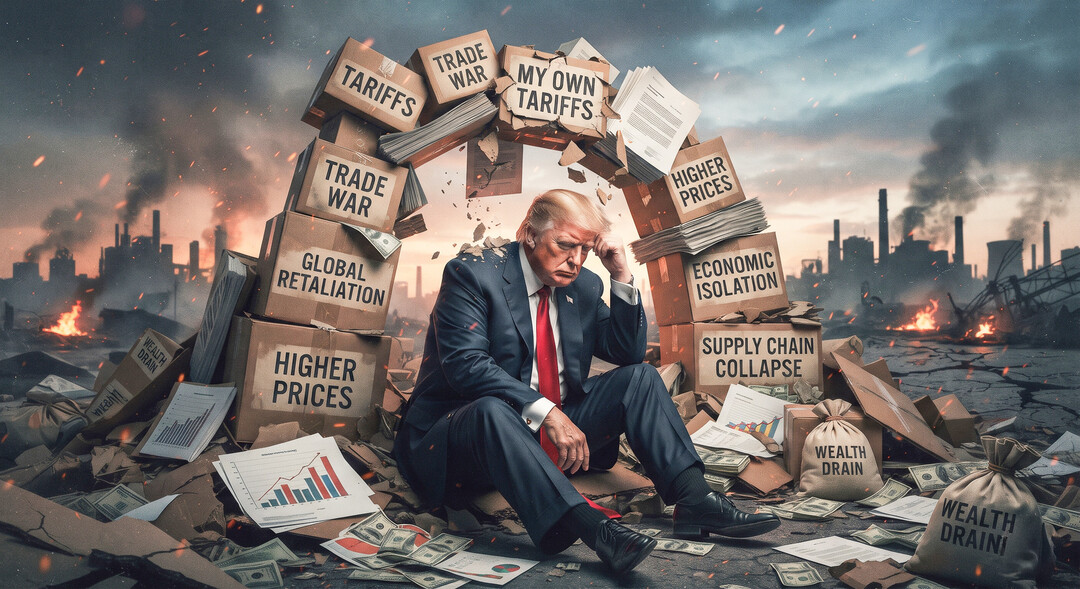
WASHINGTON — The Trump administration is facing mounting criticism from trade analysts and international observers over the rationale behind its latest round of tariffs, with critics arguing that Washington’s accusations of state-backed "overcapacity" directly contradict its own aggressive domestic industrial policies.

Following a trade investigation under Section 301 of the Trade Act of 1974, the Office of the U.S. Trade Representative (USTR) announced on the 25th that it will impose additional duties on 14 major trading partners, including South Korea, Japan, China, and the European Union. The move comes as an alternative trade measure after the U.S. Supreme Court struck down the administration’s previous reciprocal tariff framework as unlawful in February.

Allies’ Flagship Industries Under Fire

In its findings regarding South Korea, the USTR alleged that state-led economic initiatives have distorted global markets and injured U.S. manufacturers, specifically singling out the automotive, semiconductor, and petrochemical sectors.

To substantiate its claims, the U.S. trade office cited a broad timeline of Seoul’s economic policies—ranging from current President Lee Jae-myung’s national artificial intelligence (AI) growth agenda to multi-year semiconductor and future mobility roadmaps introduced between 2019 and 2024. According to the USTR, preferential financing from state-backed lenders, tax incentives, regulatory easing, and inadequate labor protections for foreign workers have artificially lowered production costs and fueled excess supply.

Washington’s Own Interventionist Playbook

Trade experts point out a stark contradiction in Washington’s stance, noting that the U.S. federal government employs similar interventionist tools to secure dominance in strategic technologies.

To maintain its global lead in AI, the U.S. government has actively mobilized federal resources to accelerate data center construction and supporting infrastructure. These efforts include direct federal subsidies, substantial tax breaks, streamlined environmental reviews, and opening up federally owned land to bypass local permitting hurdles—policies that mirror the very state support Washington deems unfair when practiced abroad.

Domestic Savings Programs Deemed "Unfair"

The USTR’s expansive definition of market distortion has also drawn skepticism for extending beyond traditional manufacturing subsidies into personal finance and social welfare systems.

In its review of Asian economies, the agency argued that policies encouraging household savings depress domestic consumption and reduce foreign demand for American exports. Specifically, the report criticized Japan’s tax-exempt investment program (NISA) for diverting household funds from spending into equities, and targeted Singapore’s Central Provident Fund (CPF)—a mandatory retirement savings scheme—as a state-driven distortion of consumption. The move prompted The Washington Post to question whether basic household saving is now being categorized as an unfair trade practice.

Observers in Washington note that the USTR operated under tight staffing constraints to compile justifications against 14 economies within an eight-month window, leading to concerns that legitimate industrial development plans and social safety nets were hastily stitched together to fit a predetermined tariff agenda.

[Copyright (c) Global Economic Times. All Rights Reserved.]
  • #Cherry Garden
  • #HalalFood
  • #Halal
  • #Petlife
  • #Cats
  • #Dogs
  • #Halalhorizone
  • #Hormuz Impasse
  • #Joseon
  • #globaleconomicti
KO YONG-CHUL Reporter
Reporter Page

Popular articles

  • Culinary Mashups and Nostalgia with a Twist: South Korea’s F&B Giants Vie for Consumer Attention

  • Japanese Hotel Prices Surge Nearly 9% Amid Booming Korean Tourism

  • NVIDIA Expands Local AI Horizons with RTX Spark Laptops for Offline Creators

I like it
Share
  • Facebook
  • X
  • Kakaotalk
  • LINE
  • BAND
  • NAVER
  • https://www.globaleconomictimes.kr/article/1065564337135083 Copy URL copied.
Comments >

Comments 0

Weekly Hot Issue

  • Trump Backed Nvidia CEO’s Return Despite Divided U.S. Intelligence and Lack of NSC Review
  • New U.S. Tariffs Spark Inflation Fears and Media Backlash Amid Rising Prices
  • Thanksgiving Nor’easter Batters U.S. East Coast, Leaving 550,000 Without Power and Halting Iconic Parade
  • Why Dementia Financial Planning Is Really About Self-Preservation
  • Hyundai Green Food Shares Tumble 8% as 150 Billion Won Healthcare Deal Dampens Dividend Hopes
  • Concentrated Korean ETFs Plunge Up to 59% as Chip and Defense Rallies Unwind

Most Viewed

1
Exercise Beats Diet in Extending Lifespan, Major Review Finds
2
South Korean Burger Chain Lotteria Expands Singapore Footprint with Halal Certification and New Teriyaki Lineup
3
AI Semiconductor Stocks Plummet: Philadelphia Index Drops 5.28% and Micron Plunges 7.59% Amid Executive Shakeup and Export Restrictions
4
"Stay Out, Get Paid, or Have Police Stay With You": Shenzhen Imposes Strict Security Ahead of APEC Summit
5
Taiwan Bans Short-Selling Below Previous Close Starting Nov. 23, Raises Margin Ratio to 150%
체리가든 스토리
nutri huevos
로타리
동포저널

Hot Issue

New U.S. Tariffs Spark Inflation Fears and Media Backlash Amid Rising Prices

Why Dementia Financial Planning Is Really About Self-Preservation

Concentrated Korean ETFs Plunge Up to 59% as Chip and Defense Rallies Unwind

Fashion Runway Show 2026

Let’s recycle the old blankets in Jeju Island’s closet instead of incinerating them.

Global Economic Times
korocamia@naver.com
CEO : LEE YEON-SIL
Publisher & Editor : KO YONG-CHUL
Registration number : Seoul, A55681
Registration Date : 2024-10-24
Youth Protection Manager: KO YONG-CHUL
Singapore Headquarters
5A Woodlands Road #11-34 The Tennery. S'677728
Korean Branch
Phone : +82(0)10 4724 5264
#304, 6 Nonhyeon-ro 111-gil, Gangnam-gu, Seoul
Copyright © Global Economic Times All Rights Reserved
  • News K
  • 반달곰 프로젝트
  • 광고문의
Search
Category
  • All articles
  • Synthesis
  • World
  • Business
  • Industry
  • ICT
  • Distribution Economy
  • Well+Being 
    • 전체
    • Pet Life
    • Halal Horizon
  • Travel
  • Eco-News
  • Education
  • Korean Wave News
  • Opinion
  • Arts&Culture
  • Sports
  • People & Life 
    • 전체
    • International Student Report
    • With Ambassador
  • Column 
    • 전체
    • Cho Kijo Column
    • Cherry Garden Story
    • Ko Yong-chul Column
    • Kim Bong-seon's Photo Column
    • Kim Seul-Ong Column
    • Lee Yeon-sil Column
    • Professor Lee Soo-young’s Life Essays
  • Photo News
  • New Book Guide
  • Overseas Koreans
  • Multicultural News