![[등록] 2026-09-01 15:48:31](/support/_updata/banner2/tl181982910_6749.png)


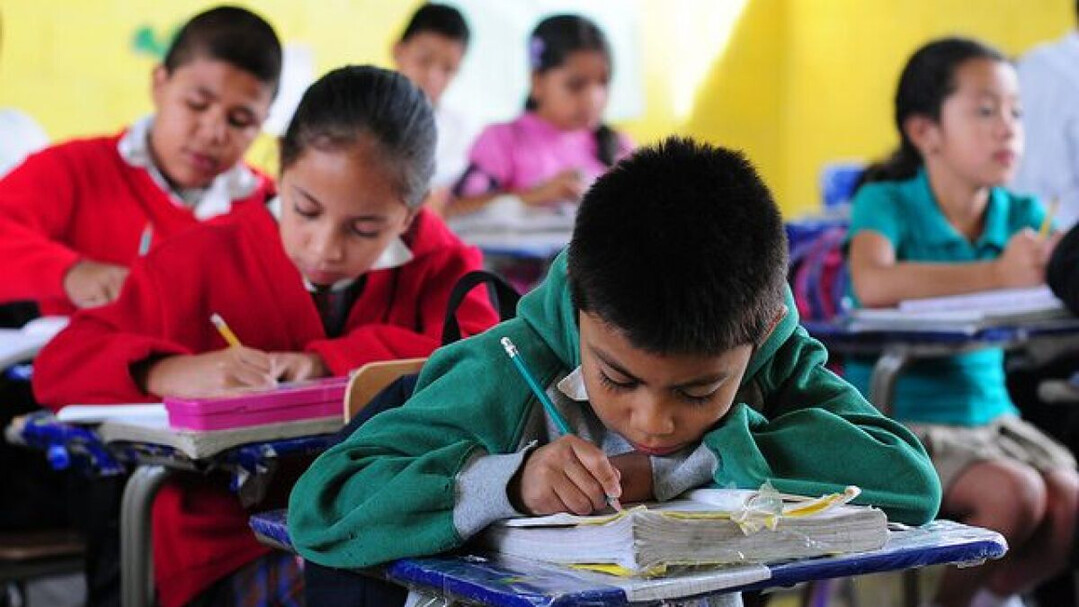
Education is considered a fundamental element of development, a fact proven by countries that invest in different levels of education systems. Developed nations maintain a high percentage of their Gross Domestic Product (GDP) invested in education, establish equality of opportunity and equal conditions through public policies, and demand academic excellence throughout their systems.
The importance of the quality of education, particularly within these categories, has recently been highlighted by a personal experience. I recently attended a graduation ceremony at the Massachusetts Institute of Technology (MIT) and was deeply impressed. MIT is a globally recognized university in scientific and technological research, with thousands of students of diverse nationalities. Attending a family member's degree conferral, I was filled with an inexpressible sense of awe.
Boston, established in 1630, is one of the oldest cities in the United States and the capital of Massachusetts. The stage for the American Revolution, it is also home to world-renowned universities like Harvard University. Harvard is famous not only for its academic excellence but also for producing numerous Nobel laureates. Witnessing these great universities and the wondrous city of Boston, I directly observed how centers of knowledge contribute to urban development and harmony.
These profound experiences compel us to reflect on the reality of our own society. Perhaps our qualitative leap towards becoming a developed nation has not yet occurred because education has not been a priority in our history. We have approached the importance of education unevenly, resulting in asymmetric development in both educational infrastructure and quality.
Therefore, now is the time to reverse history and pursue national policies centered on education. There is no other way. Education is the path to progress. If we truly love our nation, we must no longer waste time and make education the driving force of our development. This is a truth demonstrated by numerous North American universities, including the University of Berkeley, and by countries currently leading international education rankings, such as Finland, Sweden, and Norway. These nations consistently apply three principles: investment, equality, and excellence.
UNESCO has long recommended that Paraguay invest at least 7% of its GDP in education. However, Paraguay still invests less than 4%. Can we do it? Of course, we can. Education scholars, particularly sociologists, argue that this problem stems from those who make public policy. Traditional models like corruption, spoils systems, and cronyism lead people to seek the quickest and easiest shortcuts, regardless of who they destroy or harm, due to the absence of innovative education.
Regarding equality of opportunity and equal conditions for access to education, these principles are enshrined in our current constitution. To make them a reality, doubling the education budget is essential.
And concerning the quality of education, which is crucial for Paraguay to elevate its level of theoretical, scientific, and technological production, we still have much to do to acquire knowledge, skills, and competencies. These are essential qualities that citizens must acquire and deepen to enjoy the best quality of life and contribute exponentially to social development.
Indeed, we must strengthen educational models that enhance critical thinking, productivity, and competitiveness, thereby impacting economic development. Education reduces poverty because people with better skills and knowledge can improve their economic and social situations. Furthermore, education promotes tolerance, understanding, and social cohesion—qualities we desperately need to position ourselves on the broad path of modern society.
Therefore, both the state and civil society must invest in education. We must break down intellectual taboos and understand that education is a public good and a task for everyone. Only then will Paraguay achieve sustainable and inclusive development.
[Copyright (c) Global Economic Times. All Rights Reserved.]